Equestrian Saddle Pads
This category covers equestrian saddle pads and numnahs for riding disciplines, including contoured, half, and western-style pads. There are 22 indexed products averaging a 4.55 rating, with mid-range prices around $33–$133 and brands like Kavallerie represented
Top Products
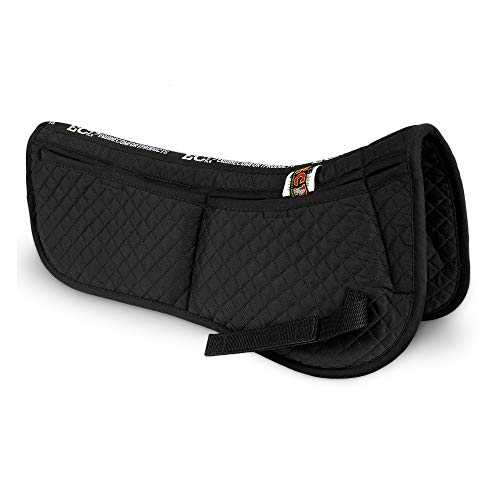
Equine Comfort Adjustable Half Saddle Pad
ECP Equine Comfort Products
Mid-Range
HILASON Western Anti Slip Grip Saddle Seat Cover
HILASON
Mid-Range
HILASON Western Anti Slip Grip Saddle Seat Cover
HILASON
Mid-Range
Weaver Equine Wool Blend Contoured Saddle Pad
Weaver Equine
Premium
Adjustable memory foam half saddle pad for comfort and fit
ECP Equine Comfort Products
Mid-Range
Weaver Equine Wool Blend Felt Saddle Pad, 30x30
Weaver Equine
Premium
LeMieux General Purpose Saddle Pad - English English Saddle Pads
LeMieux
Premium
Easycare Easyboot Cloud Insert Pad, 2-Degree Wedge, 2-pack
EASYCARE
Budget
Weaver Equine contoured saddle pad 31x32 with wool blend felt liner
Weaver Leather
Premium
Harrison Howard Bareback Saddle Pad with Girth
Harrison Howard
Premium
LeMieux General Purpose Square Saddle Pad for English saddles
LeMieux
Premium
Weaver Equine Wool Blend Saddle Pad, Contoured Western Pad
Weaver Equine
Premium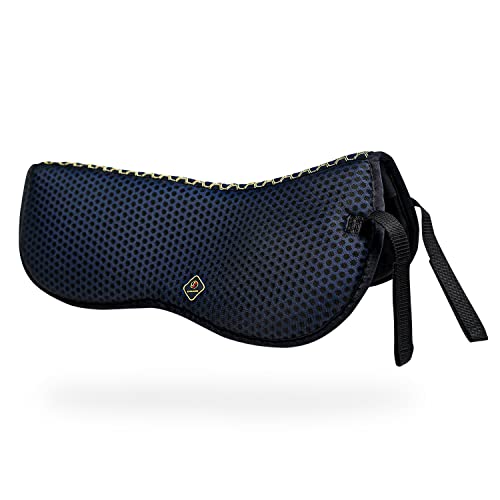
Kavallerie 3D Air-Mesh Half Pad for Saddle Stability
Kavallerie
Premium
HILASON Western Anti Slip Grip Horse Saddle Seat Cover
HILASON
Mid-Range
Harrison Howard Bareback Saddle Pad with Girth
Harrison Howard
Premium
Harrison Howard Bareback Saddle Pad with Girth
Harrison Howard
Premium
Kavallerie 3D Air-Mesh Half Pad for English Saddle
Kavallerie
Premium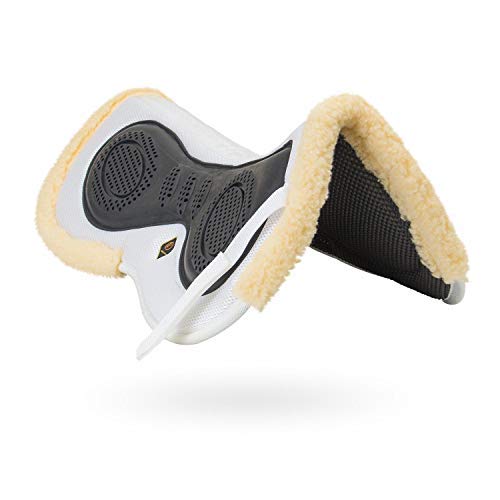
Kavallerie 3D Air-Mesh Half Pad for English Saddle
Kavallerie
Premium
Kavallerie Gel Saddle Pad for horses
Kavallerie
Premium
Kavallerie 3D Air-Mesh Half Pad for Saddle Support
Kavallerie
Premium
Western Horse Saddle Pad with Gel Shock Absorbing Insert
Weaver Equine
Mid-Range
Harrison Howard Ergonomically Designed Bareback Pad with Pockets
Harrison Howard
PremiumRoundups
Frequently Asked Questions
How do I choose the right saddle pad style for my discipline?
Match the pad shape and thickness to your discipline and saddle: dressage uses long rectangular pads for full contact, jumping uses contoured or close-contact shapes with shorter backs, and all-purpose pads suit general riding. Consider wither clearance and whether you need extra shock absorption or a thin profile for close contact
What material and construction should I look for to balance comfort and durability?
Common materials include cotton, fleece, foam, gel, and synthetic memory foams; layered constructions combine a moisture-wicking top, shock-absorbing core, and durable underside. Look for breathable, durable outer fabrics and a core that provides even pressure distribution without excessive bulk
How do I pick the right size and fit for my horse and saddle?
Select a pad that matches your saddle type and horse conformation—pad length should not extend far past the saddle tree, and front clearance should allow 2–3 fingers of wither space when saddled. Use contoured or fitted models for high-wither horses and full-size pads for wide or draft crosses
Are there features that help manage heat and moisture during rides?
Look for pads with moisture-wicking liners, breathable meshes, or vented channels to promote airflow and reduce sweat accumulation; technical fabrics and gel inserts can also help dissipate heat and wick moisture away from the horse’s back
What is a reasonable budget for an equestrian saddle pad and what affects price?
Saddle pads range widely; budget options can be found under $50 while higher-performance or specialty pads commonly cost more, with an average around $80. Price is influenced by materials, brand, construction quality, and added features like gel inserts or custom shaping
How should I clean and maintain different types of saddle pads?
Follow the manufacturer’s label: many cotton and synthetic pads are machine washable on gentle cycles and air-dry; foam, gel, or sheepskin-lined pads may require spot cleaning, hand washing, or professional cleaning to preserve shape and materials. Regularly remove hair, allow pads to dry fully between uses, and check for compression or wear
When should I replace a saddle pad?
Replace a pad when the shock-absorbing core compresses unevenly, stitching or straps fail, the shape no longer provides proper saddle fit or it causes pressure points, or lining materials become matted or non-breathable; regular inspection after heavy use helps identify these issues early