Fishing Plugs
This category covers fishing plugs—hard-bodied lures designed to mimic baitfish for freshwater and saltwater sport fishing—offered in mid-range price points (roughly $34–$60). The indexed selection includes 11 products with an average rating of 4.65 and notable brands such as Nomad Design
Top Products

Nomad Design DTX Minnow 200 with Autotune system
Nomad Design
Budget
Nomad Design Madmacs Trolling Lure - 6in 6oz
Nomad Design
Mid-Range
Nomad Design Madmacs Offshore High Speed Fishing Lure
Nomad Design
Mid-Range
TRUSCEND Electric Twitching Jerkbait LED Lure
TRUSCEND
Budget
Nomad Design Madmacs High-Speed Trolling Lure
Nomad Design
Mid-Range
Nomad Design Offshore High Speed Fishing Lure with Autotune, 8" 11-1/4oz
Nomad Design
Mid-Range
Nomad Design Offshore High Speed Lure with Autotune System
Nomad Design
Mid-Range
Nomad Design Offshore High Speed Fishing Lure, Trolling Minnow
Nomad Design
Mid-Range
Nomad Design High-Speed Trolling Lure for Tuna, Wahoo & GT
Nomad Design
Mid-Range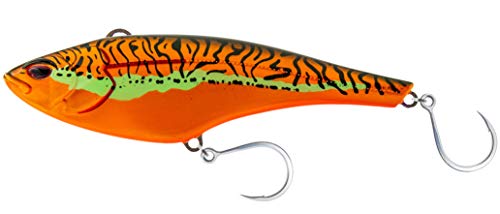
Nomad Design Madmacs Offshore High Speed Fishing Lure
Nomad Design
Mid-Range
Nomad Design DTX Minnow with Autotune System
Nomad Design
Mid-RangeRoundups
Frequently Asked Questions
How do I choose the right fishing plug for the species I want to catch?
Match plug size, weight, and action to the target species and water depth: smaller, lighter plugs for panfish and trout; medium sizes for bass; larger, heavier diving or swimbait plugs for pike or saltwater predators. Check the plug’s diving depth and presentation (wobble, roll, twitch) to suit the fish’s feeding behavior
What types of plugs are best for shallow vs. deep water?
Shallow-water plugs include topwater and shallow-diving crankbaits with small bills; mid-depth plugs are medium-diving crankbaits and jerkbaits; deep-water plugs are long-bill crankbaits, deep-diving plugs, and weighted swimbaits designed to reach greater depths. Match line weight and rod action to maximize casting and retrieval control at the desired depth
How important is hook quality and how can I tell if hooks are good?
Hook quality affects hookup rate and durability; look for corrosion-resistant finishes (stainless or black nickel), strong wire gauge appropriate for target species, and sharp, chemically sharpened points. Replace rusty or dull hooks and consider upgrading to stronger hooks for large or toothy fish
What are the main materials and finishes used for plugs, and how do they affect performance?
Plugs are commonly made from hard plastics, wood, or composite materials; plastic offers consistent buoyancy and detailed finishes, wood provides a different vibration and natural buoyancy, and composites balance traits. Finishes like holographic foil, paint patterns, and reflective coatings affect visibility and light reflection to attract fish in various water clarities
How should I care for and store fishing plugs to keep them performing well?
Rinse plugs with fresh water after saltwater use, dry completely, and store separated in tackle boxes to prevent tangling and finish damage. Replace split rings and hooks periodically and check that bills and eyes are intact before each outing
What line type and rod action work best with different plug styles?
Use braided line with a fluorocarbon leader for long casts and sensitivity when fishing deep or around cover; monofilament is good for topwater plugs and presentations needing more stretch. Pair shallow-running plugs with fast to medium-fast rods for quick action, and medium to slow rods with deep-diving plugs to maintain lure movement and reduce hook pulls
Are there budget considerations or price ranges I should expect for quality plugs?
Fishing plugs vary by material, brand, and construction; expect budget options under $20, mid-range plugs in the $20–$60 range, and premium or specialty plugs above that. Consider durability, hook and ring quality, and resale or repairability when evaluating value