Fishing Soft Plastic Lures
Soft plastic fishing lures for freshwater and saltwater anglers, including worms, swimbaits, creature baits and soft jigs in a range of sizes and actions. The category aggregates 31 products with an average rating of 4.5 and mid-range pricing (roughly $33–$130). Brands include Bucca Brand among others like Goture and Nomad Design
Top Products

Catch Co Mystery Tackle Box PRO Bass Fishing Kit
Catch Co
Mid-Range
PowerBait Power Worms Soft Plastic Curl Tail Worm
Berkley
Mid-Range
Yo-Zuri H.D. Carbon Fluorocarbon Leader Line
Yo-Zuri
Mid-Range
Nomad Design Squidtrex Fishing Lure with Vibe
Nomad Design
Mid-Range
Polysol Polymers Bait Plastics Premium Lure Plastisol - 1 Piece
sailupxinyuan
Mid-Range
Nomad Design Squidtrex Vibe Lure with through-wire construction
Nomad Design
Mid-Range
Catch Co Mystery Tackle Box Elite Multi-Species Kit
Catch Co
Mid-Range
Savage Gear 3D Sucker soft swimbait
Savage Gear
Budget
Squid Fishing Hoochies 10 Pack - Pre-Rigged Octopus Hooks
KOKOPROS
Budget
Catch Co Mystery Tackle Box PRO Bass Fishing Kit
Catch Co
Premium
Catch Co Mystery Tackle Box Elite Freshwater Largemouth & Smallmouth Bass Lures Kit
Catch Co
Mid-Range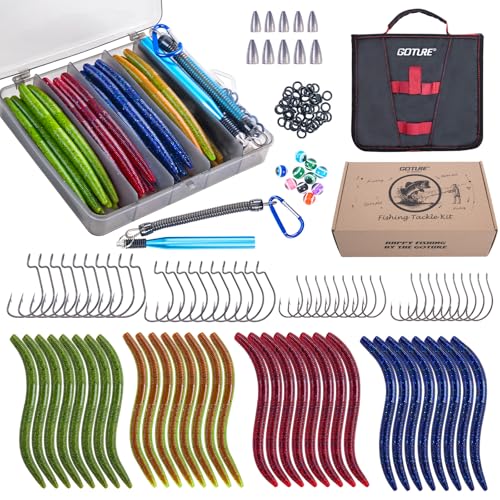
Goture Wacky Worm Fishing Lure Kit with Soft Plastics and Tools
Goture
Budget
Nomad Design Squidtrex Vibration Lure
Nomad Design
Mid-Range
Trolling Lure Kit 6.5/9 inch squid skirts (6 pcs) for deep sea fishing
YOTO
Mid-Range
Goture Wacky Worm Fishing Lure Kit with Soft Plastics & Tools
Goture
Mid-Range
Premium Soft Plasti Mold Lure Making Injection Molds 3 Cavity Yama Senko 5''
Smedioks
Mid-Range
Goture Wacky Worm Fishing Lure Kit with Soft Plastics & Tools
Goture
Budget
6" Trick Shad by Bucca Brand
Bucca Brand
Mid-Range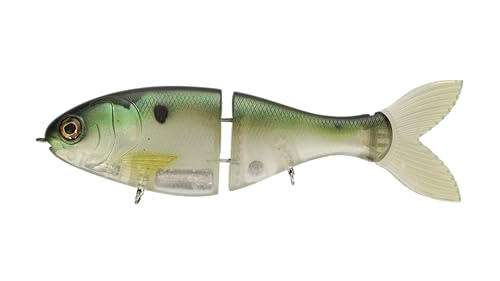
6
Bucca Brand
Mid-Range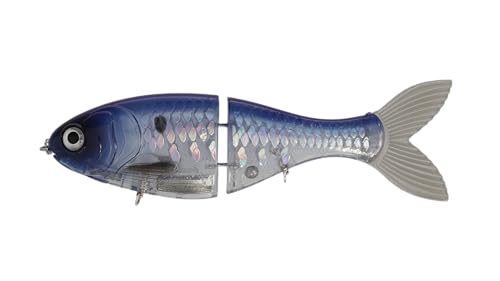
6" Trick SHAD Bucca Brand
Bucca Brand
Mid-Range
6" Trick Shad by Bucca Brand
Bucca Brand
Mid-Range
Bucca Brand 6 Trick Shad – replaceable tail glide bait
Bucca Brand
Mid-Range
6" Trick Shad by Bucca Brand
Bucca Brand
Mid-Range
Goture Wacky Worm Fishing Lure Kit with Soft Plastics & Tools
Goture
Mid-RangeRoundups
Frequently Asked Questions
How do I choose the right soft plastic lure for the fish species I’m targeting?
Match lure size, shape, and action to the target species and their typical prey: use smaller, slender plastics for panfish and trout, medium-sized swimbaits or worms for bass, and larger profile baits for pike; check local forage (shad, crawfish, minnows) and select colors and profiles that imitate that prey
What factors affect the action and attraction of soft plastic lures?
Action depends on material softness, tail design, and rigging—soft, flexible plastics and paddle or curly tails produce more movement; body shape and internal weights or rattles also change sinking rate and vibration that attract fish
Which rigging methods should I use with soft plastics for different conditions?
Use weedless Texas rigs or wacky rigs for heavy cover, Carolina rigs for deeper presentations, drop-shot rigs for suspended fish, and jigheads or weighted swimbait hooks for open-water retrieves or faster action
How should I select colors and sizes based on water clarity and light?
In clear water and bright light, use natural or subtle colors and match hatch sizes; in stained or muddy water and low light, choose high-contrast, darker, or brighter colors and slightly larger profiles to increase visibility
What are good budget expectations and how do prices vary for soft plastic lures?
Soft plastics range from low-cost bulk packs for general use to higher-priced specialty or designer models; budget anglers can find effective options under $50, while premium or branded packets may cost more per lure
How do I care for and store soft plastic lures to keep them usable?
Rinse with fresh water after saltwater use, dry before storing, keep different plastics separate to avoid chemical reactions that can melt or deform baits, and store in a cool, dark place or in vented tackle boxes
Are there legal or environmental considerations when using soft plastic lures?
Check local regulations for bans or restrictions on certain plastics or lead weights, retrieve lost lures when possible to reduce litter and wildlife hazards, and consider biodegradable alternatives where available