Fluorocarbon Fishing Line
Fluorocarbon fishing line listings for freshwater and saltwater anglers, including clear, low-stretch lines for leaders, mainline, and specialty applications. The category covers 63 products across budget to premium price tiers (avg $61) and features brands such as Seaguar and KastKing
Top Products
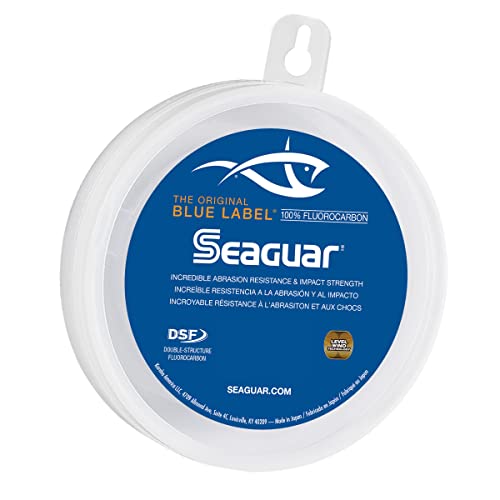
Seaguar Blue Label Fluorocarbon Leader Line
Seaguar
Budget
Seaguar Blue Label Fluorocarbon Leader Line
Seaguar
Mid-Range
Seaguar Blue Label Fluorocarbon Leader Line 100% Clear
Seaguar
Mid-Range
Seaguar Blue Label Fluorocarbon Leader, 100% Fluorocarbon, Clear
Seaguar
Mid-Range
Seaguar Blue Label Fluorocarbon Leader Line
Seaguar
Mid-Range
Seaguar Blue Label Fluorocarbon Leader Line
Seaguar
Mid-Range
Seaguar Blue Label fluorocarbon leader line for saltwater
Seaguar
Mid-Range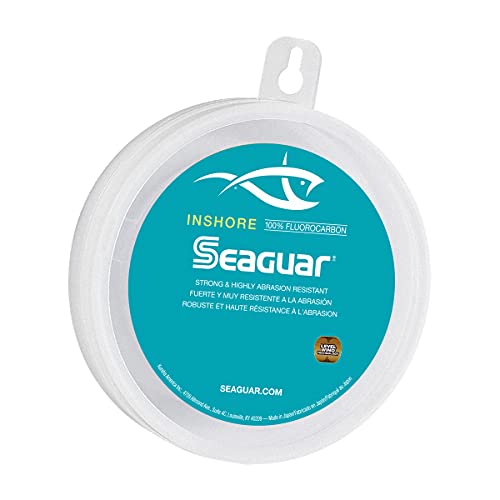
Seaguar Inshore 100% Fluorocarbon Leader
Seaguar
Mid-Range
Seaguar Gold Label Fluorocarbon Leader Line
Seaguar
Mid-Range
Seaguar InvizX Fluorocarbon Fishing Line, multi-species, 100% fluorocarbon, clear
Seaguar
Mid-Range
Daiwa Fluorocarbon Fishing Line
Daiwa
Budget
Seaguar Red Label Fluorocarbon Fishing Line
Seaguar
Mid-Range
Seaguar fluorocarbon fishing leader line
Seaguar
Budget
Seaguar Gold Label fluorocarbon leader line, clear, multiple sizes
Seaguar
Budget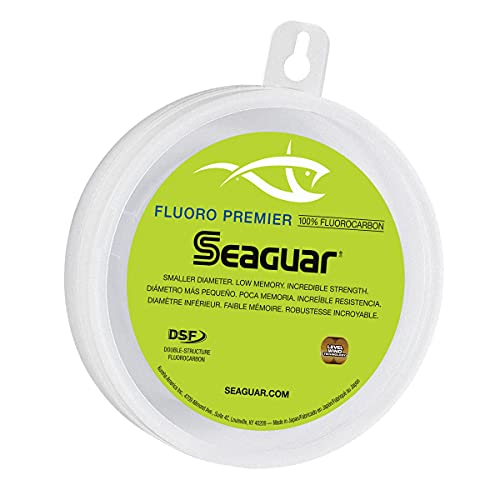
Seaguar Fluoro Premier saltwater fishing line shock leader
Seaguar
Mid-Range
Seaguar Fluoro Premier saltwater leader line
Seaguar
Mid-Range
Seaguar Blue Label Fluorocarbon Leader Line
Seaguar
Premium
RUNCL fluorocarbon fishing line – PowerFluoro clear ice fishing leader
RUNCL
Budget
Seaguar Gold Label Fluorocarbon Leader Line
Seaguar
Budget
Seaguar AbrazX Freshwater Fluorocarbon Fishing Line
Seaguar
Budget
Seaguar AbrazX Freshwater Fluorocarbon Fishing Line
Seaguar
Budget
Seaguar InvizX Fluorocarbon Fishing Line for Freshwater
Seaguar
Mid-Range
Reaction Tackle 100% Pure Fluorocarbon Fishing Line
Reaction Tackle
Budget
Seaguar InvizX Fluorocarbon Fishing Line, multi-species
Seaguar
Mid-RangeRoundups
- Best Fluorocarbon Fishing Line for Trolling (2026)
- Best Fluorocarbon Fishing Line for Deep Water Jigging (2026)
- Best Fluorocarbon Fishing Line for Casting Plugs (2026)
- Best Fluorocarbon Fishing Line for Braid-To-Leader Connections (2026)
- Best Fluorocarbon Fishing Line Under $200 (2026)
- Best Fluorocarbon Fishing Line Under $100 (2026)
- Best Fluorocarbon Fishing Line Under $50 (2026)
- Best Fluorocarbon Fishing Line (2026 Guide)
Frequently Asked Questions
What is fluorocarbon fishing line and how does it differ from monofilament and braided lines?
Fluorocarbon is a single-filament line made from polyvinylidene fluoride with higher density and refractive index than monofilament, making it less visible underwater; it typically offers better abrasion resistance and lower stretch than monofilament but more stiffness and less sensitivity than braided lines
How do I choose the right test/poundage for fluorocarbon line?
Match the line strength to your target species, lure weight, and rod/reel capacity: lighter tests (4–10 lb) for panfish and light freshwater, medium tests (10–20 lb) for bass and inshore species, and heavier tests (20+ lb) for big saltwater fish; also consider knot strength and drag settings because fluorocarbon is stiffer than monofilament
When should I use fluorocarbon as a mainline versus as a leader or tippet?
Use fluorocarbon mainline when low visibility, abrasion resistance, and sinking characteristics are priorities (e.g., clear freshwater or rocky structure); use it as a leader or tippet when paired with braided mainline to combine braid’s casting and sensitivity with fluorocarbon’s stealth and abrasion resistance
What are key features to compare when buying fluorocarbon line?
Compare pound-test, diameter (for shelf capacity and water resistance), abrasion resistance ratings, knot strength, suppleness (castability and handling), and spool length; check whether the manufacturer specifies sinking rate or refractive properties if stealth is critical
How do I tie knots with fluorocarbon and which knots work best?
Because fluorocarbon is stiffer and slicker, use extra wraps and test knots carefully; reliable knots include the Palomar, improved clinch with extra turns, and double uni for joining to braid, with thorough wetting and firm tightening to prevent slippage
How long does fluorocarbon line last and how should I store and maintain it?
Fluorocarbon resists UV and water degradation better than monofilament but can lose strength from repeated abrasion and hard use; rinse with fresh water after salt exposure, avoid prolonged sunlight, inspect for nicks before each use, and retie or replace line when wear or memory affects performance
Is fluorocarbon more expensive and are there budget options?
Fluorocarbon typically costs more per yard than monofilament but prices vary by brand, spool length, and test; budget-conscious anglers can find reliable options on smaller spools or entry-level brands, while higher-priced spools often emphasize lower diameter and higher abrasion resistance