Fuel Camping Lanterns
Fuel camping lanterns are portable, fuel‑burning lights for backcountry and car camping, including refillable liquid‑fuel and pressurized gas designs. This niche (21 products, avg rating 4.54) spans mid‑range price points (about $35–$70) and features brands such as Feuerhand
Top Products
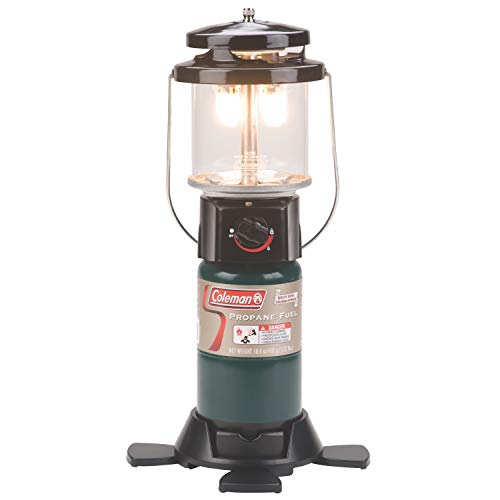
Coleman 1000L Deluxe Propane Lantern
Coleman
Mid-Range
Original Candle Lantern Powder by UCO
UCO
Budget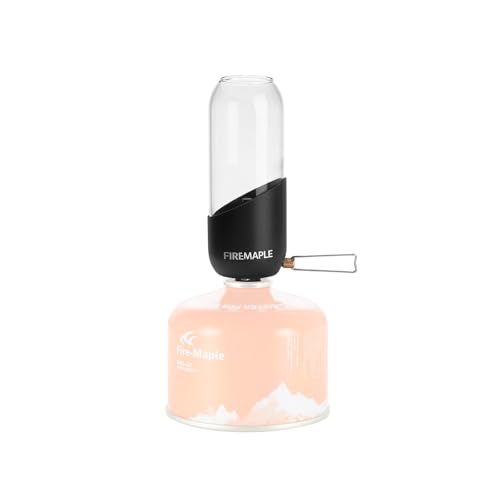
Fire-Maple camping lantern: glass, steel & aluminum
Fire-Maple
Mid-Range
Fire-Maple camping lantern with glass, metal body
Fire-Maple
Mid-Range
Feuerhand Outdoor Kerosene Lantern, German Made Weather Resistant
Feuerhand
Mid-Range
Fire-Maple Camping Lantern with Glass and Metal
Fire-Maple
Mid-Range
Feuerhand Outdoor Kerosene Lantern, German Made Weather Resistant 10in Olive Green
Feuerhand
Mid-Range
Feuerhand Outdoor Kerosene Lantern, German Made Weather Resistant
Feuerhand
Mid-Range
Feuerhand Outdoor Kerosene Lantern, German Made Weather Resistant
Feuerhand
Mid-Range
Feuerhand Outdoor Kerosene Lantern, German Made Weather Resistant 10"
Feuerhand
Mid-Range
Fire-Maple Orange Gas Lantern
Fire-Maple
Mid-Range
Feuerhand Outdoor Kerosene Lantern, German Made Weather Resistant 10in
Feuerhand
Mid-Range
Feuerhand Outdoor Kerosene Lantern – German-made weather resistant 10 in
Feuerhand
Mid-Range
Feuerhand Outdoor Kerosene Lantern, German Made Weather Resistant
Feuerhand
Mid-Range
Feuerhand Lantern 276-2: German-made, durable camping lantern
Feuerhand
Mid-Range
UCO candlelier candle lantern
UCO
Mid-Range
UCO Candlelier Candle Lantern
UCO
Mid-Range
Coleman QuickPack Deluxe+ propane lantern with carry case
Coleman
Mid-Range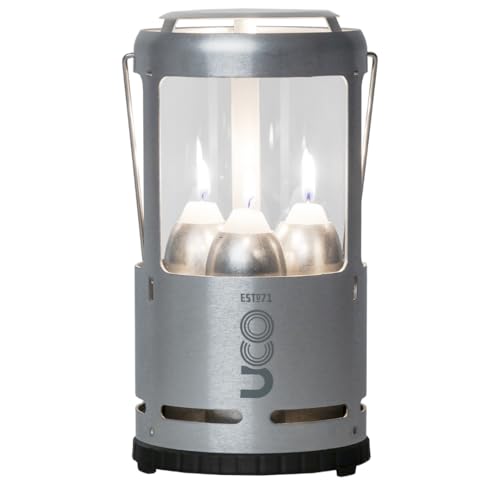
UCO Candlelier Candle Lantern
UCO
Mid-Range
Coleman NorthStar 1500 Lumen Propane Lantern
Coleman
Mid-Range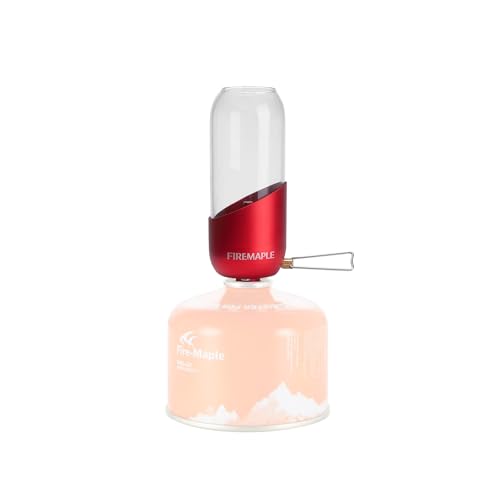
Fire-Maple camping lantern with glass, metal & aluminum
Fire-Maple
Mid-RangeRoundups
- Best Fuel Camping Lanterns for Patio Lighting (2026)
- Best Fuel Camping Lanterns for Camping (2026)
- Best Fuel Camping Lanterns for Emergency Lighting (2026)
- Best Fuel Camping Lanterns Under $200 (2026)
- Best Fuel Camping Lanterns Under $100 (2026)
- Best Fuel Camping Lanterns Under $50 (2026)
- Best Fuel Camping Lanterns (2026 Guide)
Frequently Asked Questions
What types of fuel do camping fuel lanterns use and how do I choose between them?
Camping fuel lanterns commonly use white gas (naphtha), kerosene, or pressurized liquid fuel canisters; white gas burns cleanest with brighter, steadier light but typically requires a dedicated tank and priming, kerosene is slower-burning and more tolerant of rough handling, and canister-fueled lanterns are convenient but depend on threaded disposable or refillable canisters. Choose based on availability of fuel where you'll be, cold-weather performance (white gas and liquid fuels perform better than some canisters), and whether you prefer simplicity or higher output
How bright are fuel lanterns and how is brightness measured?
Brightness is usually measured in lumens or by mantle type and number; typical camping fuel lanterns produce anywhere from a few hundred to over a thousand lumens depending on size and fuel. Compare lumen ratings or user-reported light area and run-time to match how much illumination you need for tasks, tent size, or campsite activities
What should I expect for run time and fuel efficiency?
Run time varies with fuel type, lantern size, and brightness setting; many liquid-fuel lanterns run several hours on a full tank at high output and considerably longer at reduced output. Product specs typically list approximate hours per tank or per fuel volume—use those figures to estimate how much fuel to bring based on planned nightly hours
How do I maintain and clean a fuel camping lantern safely?
Regular maintenance includes cleaning or replacing mantles, checking and cleaning fuel lines and generators, inspecting seals and the fuel cap for leaks, and storing the lantern dry and fuel-empty when not in use; perform maintenance according to the manufacturer’s instructions and always work in a well-ventilated area with the lantern cool and fuel removed. Dispose of or recycle old mantles and used fuel following local regulations
Are fuel lanterns safe to use inside a tent or enclosed space?
Using fuel-burning lanterns inside tents or poorly ventilated spaces is not recommended because they produce heat, carbon monoxide, and combustion byproducts; if used near shelters ensure ample ventilation, keep the lantern on a stable, heat-resistant surface, and use a carbon monoxide detector as an additional safety measure. Battery or electric lanterns are safer alternatives for fully enclosed spaces
What accessories or spare parts should I buy with a fuel lantern?
Common accessories and spares include replacement mantles, spare generator tubes or jets, fuel funnels or bottles for safe refilling, a small tool kit for adjustments, and a protective case or globe guard; having extra mantles and basic spare parts helps avoid being left without light on a trip
How do fuel camping lanterns compare in cost and value to battery or LED lanterns?
Fuel lanterns often have higher upfront complexity and require ongoing fuel and spare mantles, but can offer higher continuous light output and longer run times per fuel volume than many battery lanterns; consider total cost of ownership including fuel and maintenance, frequency of use, and whether you need the specific advantages of fuel-based light when choosing between fuel and battery/LED options