Fungo & Training Bats
Fungo and training bats include lightweight fungo bats for coaches and heavier training bats for swing work and tee drills, spanning budget through mid-range options. The category averages a 4.43 rating across about 30 products and features brands like Rawlings and Louisville Slugger
Top Products

BamBooBat Wood Training Bat (18" or 21") by PINNACLE SPORTS
BamBooBat
Budget
Baseball fungo racquet for coaches and players
Jikbeed
Mid-Range
GoSports Fungo Baseball Racket for drills
GoSports
Mid-Range
Fungo racquet baseball bat for coaches and players
Jikbeed
Mid-Range
Louisville Slugger K100 Fungo 36 Training Bat
Louisville Slugger
Mid-Range
Baseball funGo fungo racket for coaches and players
Jikbeed
Mid-Range
Rawlings Maple FUNGO Training Bat, 37 in outfield
Rawlings
Mid-Range
SSK Z9 Fungo Bat 33"-37" Wood Baseball/Softball
SSK
Premium
Rawlings Maple FUNGO Training Bat - 37 in outfield use
Rawlings
Mid-Range
Rawlings Maple FUNGO Training Bat, 37 length
Rawlings
Mid-Range
Rawlings Maple FUNGO Training Bat, 37 length, wood fungo
Rawlings
Mid-Range
PowerNet Overload and Underload Training Bats Bundle
PowerNet
Mid-Range
Rawlings Fungo Training Bat | 35" Northern Ash
Rawlings
Mid-Range
SSK Z9 Professional Edge Fungo Bat 33"-37"
SSK
Premium
SSK Z9 Fungo Bat 33-37" Professional Edge Comp
SSK
Premium
SSK Z9 Professional Edge Comp Fungo Bat 33"-37"
SSK
Premium
SSK Z9 Professional Edge Comp Fungo Bat 33" 35" 37"
SSK
Premium
SSK Z9 Professional Edge Comp Fungo Bat, 33-37in
SSK
Premium
SSK Z9 Professional Edge Comp Fungo Bat 33-37"
SSK
Premium
SSK Z9 Professional Edge Fungo Bat 33"-37"
SSK
Premium
SSK Z9 Professional Edge Comp Fungo Bat 33"-37"
SSK
Premium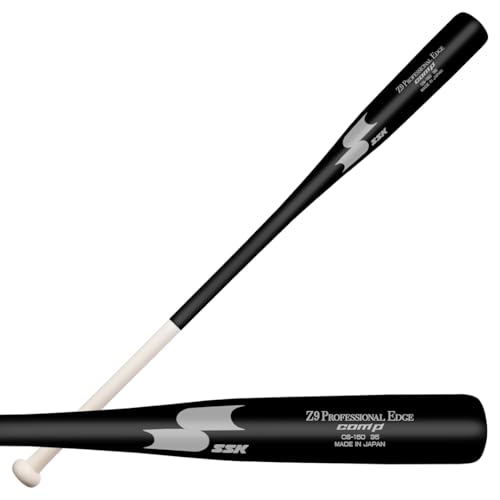
SSK Z9 Professional Edge Comp Fungo Bat 33-37in
SSK
Premium
SSK Z9 Professional Edge Comp Fungo Bat 33" 35" 37"
SSK
Premium
SSK Z9 Professional Edge Fungo Bat 33"-37" (Japan wood)
SSK
PremiumRoundups
Frequently Asked Questions
What is the difference between a fungo bat and a training bat?
A fungo bat is a lightweight, longer bat used by coaches to hit repetitive grounders and fly balls, while a training bat is designed for player practice and can mimic game-weight bats or be specialized for drills like swing speed or hand-eye coordination
How do I choose the right length and weight for a fungo or training bat?
Choose a fungo bat 2–4 inches longer than a game bat and significantly lighter for control during repeated hits; for training bats, select a weight and length that match the drill purpose—lighter for speed drills, game-weight for swing mechanics, and follow manufacturer sizing charts if available
What materials are common and how do they affect performance?
Common materials include aluminum/alloy (durable, consistent swing), composite (more vibration dampening, tuned flex), and wood (traditional feel for fungo or hitting practice); material affects weight distribution, durability, and feedback on contact
Can fungo and training bats be used in games or on official fields?
Most fungo and many specialized training bats are not intended for live-game use—check league rules and facility policies; some training bats mimic game dimensions and are permitted, but fungo bats’ length and lightness often make them unsuitable for official play
How should I care for and store these bats to prolong life?
Keep bats dry, avoid extreme temperatures, store horizontally or in a bat rack to prevent warping, regularly inspect for cracks or dents, and follow any manufacturer cleaning and maintenance guidelines for aluminum, composite, or wood models
What price range should I expect and are budget models viable?
Fungo and training bats commonly range from budget options under $50 to higher-end models over $150, with an average around $70–$80; budget models can be fine for casual or youth practice, while higher-priced bats often offer better durability and performance features
Which features should coaches or players prioritize when buying?
Prioritize appropriate length and weight for the intended drills, durable construction material for heavy use, a comfortable grip, and consistency in swing feel; for coaches, control and lightweight design for repetitive hitting are key, while players may focus more on match-to-game feel and balance