Golf Putters
Golf putters for recreational and competitive play, including blade, mallet, and counterbalanced designs covering budget through premium options. 85 products indexed with an average rating of 4.57 and prices roughly $35–$350; top brands include Cleveland Golf and Odyssey
Top Products

Orlimar Tangent T1 Mallet Putter (Right/Left) with Headcover
Orlimar
Mid-Range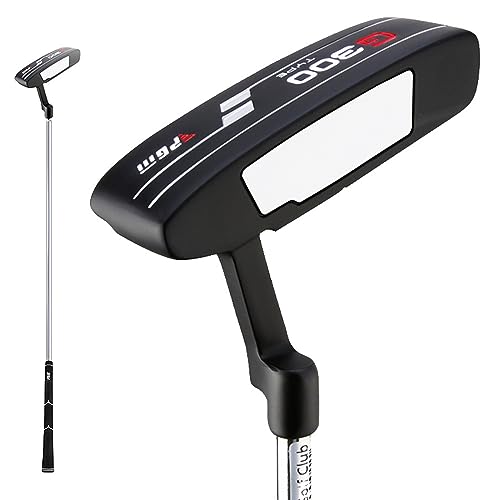
PGM Golf Putter - Blade Putters for Men & Women
PGM
Budget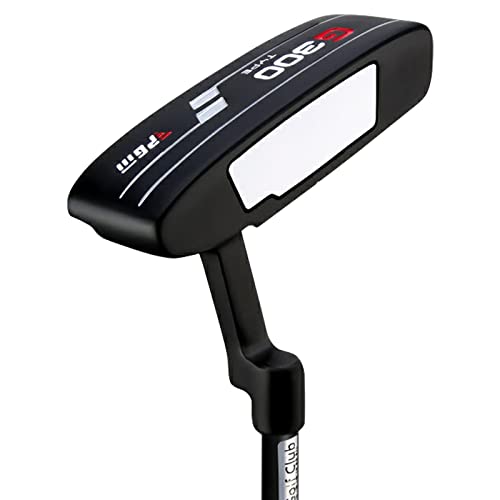
PGM Golf Putter - Blade Putters for Men & Women
PGM
Budget
Orlimar Tangent T1 Mallet Putters – right & left hand
Orlimar
Mid-Range
Orlimar ATS Junior Golf Putter 23.5" Lime/Blue (Ages 3-5)
Orlimar
Budget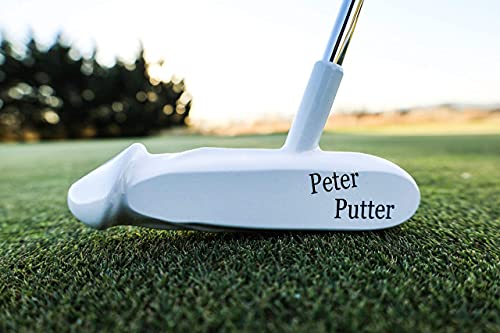
Peter Putter Professional Golf Putter
PETER PUTTER
Mid-Range
Peter Putter Professional Golf Putter with aluminum head and graphite shaft
PETER PUTTER
Mid-Range
Orlimar ATS Junior Boys' Golf Putter (Ages 5-8) Blue/Lime
Orlimar
Budget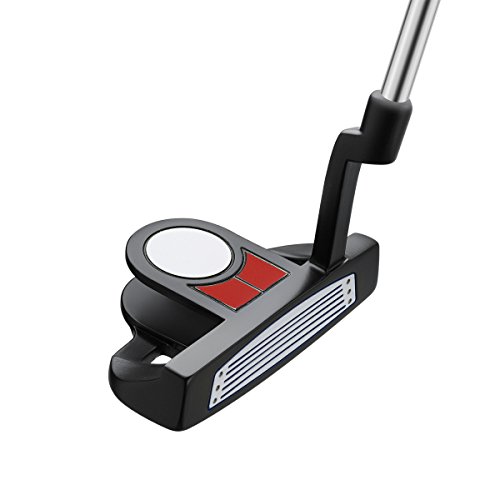
Orlimar ATS Junior Boys' Golf Putter (Ages 9-12) Red/Black
Orlimar
Mid-Range
THIODOON Two-Way Golf Putter for All Ages
THIODOON
Mid-Range
Powerbilt XRT Series Nano White Putters (Right Hand)
Power Bilt
Budget
THIODOON Two-Way Adjustable Golf Putter for All Ages
THIODOON
Budget
THIODOON Two-Way Adjustable Golf Putter
THIODOON
Mid-Range
THIODOON Golf Putters adjustable length for all ages
THIODOON
Mid-Range
Kids Putter with Extendable Shaft for Right/Left Hand
Go For It Golf
Budget
Peter Putter Professional Golf Putter – Aluminum Head & Graphite Shaft
PETER PUTTER
Premium
Kids Putter Set with Extendable Shaft 17-35 in
Go For It Golf
Mid-Range
Powerbilt XRT Series Nano White Putters (Right Hand)
Power Bilt
Mid-Range
PGM Left-Handed Putter with 950 steel shaft
PGM
Mid-Range
Mile High Life Men’s Golf Putter with Premium Grip
Mile High Life
Mid-Range
THIODOON Two-Way Golf Putter for All Ages
THIODOON
Mid-Range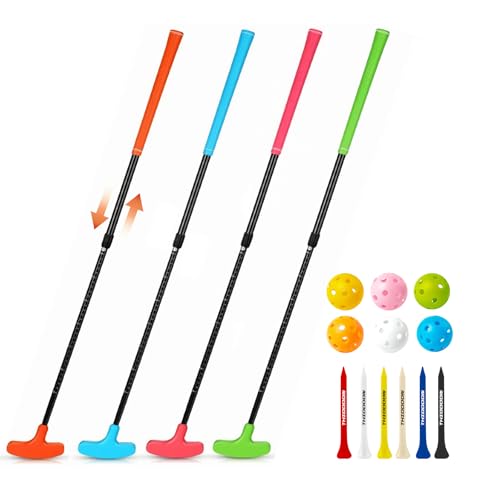
THIODOON adjustable golf putter for all ages
THIODOON
Mid-Range
MAZEL Tour GS Golf Putter, Right-Handed, with Head Cover
MAZEL
Mid-Range
MAZEL Tour GS Golf Putter for right-handed players
MAZEL
Mid-RangeRoundups
Frequently Asked Questions
How do I choose the right putter head shape (blade vs mallet)?
Blade putters are slimmer and favored by players who prefer feel and a straight-back-straight-through stroke; mallet putters are larger, offer more forgiveness and alignment aids, and often suit players with an arced stroke
What putter length should I use and how do I measure it?
Putter length typically ranges from about 32 to 36 inches; stand in your normal putting posture with the club resting on the ground — your eyes should be over or slightly inside the ball and your forearms relaxed. If you hunch or stand upright to reach the ball, try a shorter or longer putter respectively, or get a professional fitting
How important is putter weighting and balance (face-balanced vs toe-hang)?
Face-balanced putters resist rotation and suit straight-back-straight-through strokes, while toe-hang putters rotate more through impact and suit arced strokes; adjustable weighting or heavier heads can increase stability and forgiveness on off-center hits
What features should I look for if I want more forgiveness and easier alignment?
Look for higher MOI/mallet designs, a wider sole or perimeter weighting, alignment lines or contrasting colors on the crown, and face inserts or textured faces that promote consistent roll and reduce skid
How much should I expect to pay for a decent putter and are budget options worthwhile?
Putter prices commonly range from budget options under $50 to several hundred dollars; many dependable putters are available around the mid-range average, and a budget model can be a good value if its length, head shape, and balance match your stroke
How do I care for a putter to maintain performance?
Wipe the face and crown after each round, dry it before storing, protect the head with a headcover to prevent dings, and check the grip and shaft for wear periodically; avoid leaving putters in extreme heat or moisture
Should I get a putter fitted professionally and what does fitting include?
A fitting helps match head shape, length, lie angle, loft, and grip to your stroke and posture; it typically includes stroke analysis (often with launch monitor data), testing different head styles and lengths, and recommendations to improve alignment and consistency