Golf Training Putters
Training putters and alignment aids designed to improve stroke mechanics, tempo, and putting accuracy; offerings include weighted, mallet, and alignment rail styles. The category averages a 4.5-star rating across 12 products, with price tiers from about $34 to $200 and brands like EyeLine Golf represented
Top Products

KINGTOP Golf Putting Mirror for alignment training
KINGTOP
Budget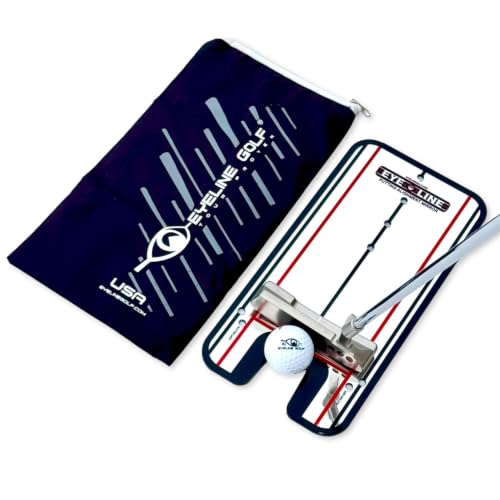
Putting Alignment Mirror for eye position and putter face
EyeLine Golf
Mid-Range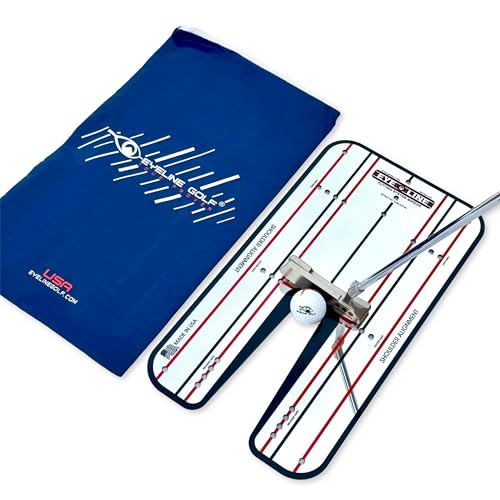
EyeLine Golf Alignment Putting Mirror
EyeLine Golf
Mid-Range
Eyeline Golf Putting Alignment Mirror (Small)
EyeLine Golf
Mid-Range
Rechargeable LED Golf Hole Light with Remote
KINGTOP
Budget
GoSports GS1 Tour Putter with optional oversized or traditional grip
GoSports
Mid-Range
Golf Putting Mirror by BACK 2 BASICS GOLF
BACK 2 BASICS GOLF
Mid-Range
EyeLine Golf Alignment Putting Mirror for Consistent Stroke
EyeLine Golf
Mid-Range
Rechargeable LED Golf Hole Light with Remote
KINGTOP
Mid-Range
KINGTOP Rechargeable LED Golf Hole Light with Remote
KINGTOP
Mid-Range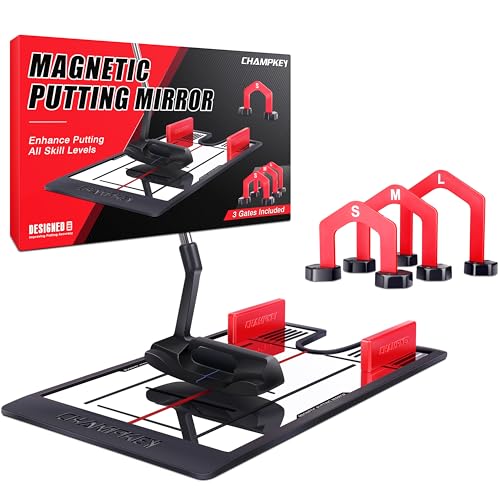
CHAMPKEY Magnetic Putting Mirror with Gates
CHAMPKEY
Mid-Range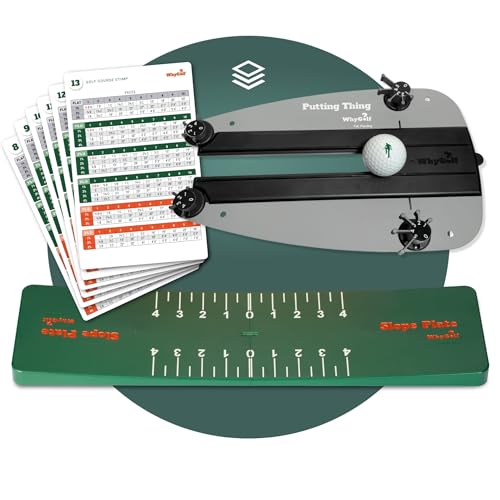
Putting System & Gates Training Aid for Stroke & Line
WHYGOLF
PremiumRoundups
Frequently Asked Questions
How do I choose the right golf training putter for my skill level?
Beginner golfers should look for simple alignment aids and a forgiving sweet spot to build consistency; intermediate and advanced players may prefer training putters with adjustable alignment features, weighted heads, or stroke-guidance rails to refine mechanics and tempo
What features matter most for improving putting accuracy?
Key features include clear alignment guides, consistent weight and balance, a stable face insert for predictable roll, and design elements that promote a square face at impact or a consistent arc depending on your stroke
How much should I expect to spend on a golf training putter?
Training putters in this category typically range from budget options under $50 to higher-end practice models above $100, with many solid choices around the category average price of about $65–$75
Can training putters be used on real greens or only on practice mats?
Many training putters are suitable for both real greens and practice mats, but check the sole design and any added rails or attachments—some models are optimized for indoor mats or flat surfaces and may damage delicate greens
Are adjustable or weighted training putters worth it?
Adjustable weight options let you experiment with feel and tempo to find what improves your stroke, and are useful for golfers seeking to fine-tune balance; however, simple fixed-weight trainers can still effectively teach alignment and stroke mechanics
How do I maintain and care for a training putter?
Wipe the head and alignment surfaces after use to remove dirt, avoid harsh chemicals on inserts, store in a protective headcover or dry place to prevent corrosion, and check screws or adjustable parts periodically for tightness
What should I look for in return and warranty policies before buying?
Look for clear return windows that allow testing the feel and fit, and check manufacturer warranty coverage for defects or adjustable-component failures; product pages or seller policies typically list these terms