Gun Lubrication
This category covers gun oils, CLP (cleaner/lubricant/protectant) formulas, and anti-corrosion treatments for firearm maintenance, with mid-range pricing and options from budget through premium. Eleven products average a 4.74 rating; top brands include Ballistol and BREAK FREE
Top Products

Birchwood Casey Tru-Oil Stock Finish, oil-based, 32 oz
Birchwood Casey
Budget
Break Free CLP Cleaner Lubricant and Preservative Gun Cleaner
BREAK FREE
Budget
Dr Jim's CLP Gun Cleaner and Lubricant - All-in-One
Dr Jim' Prescription Gun Elixir
Budget
Ballistol Multi-Purpose Lubricant & Cleaner
Ballistol
Budget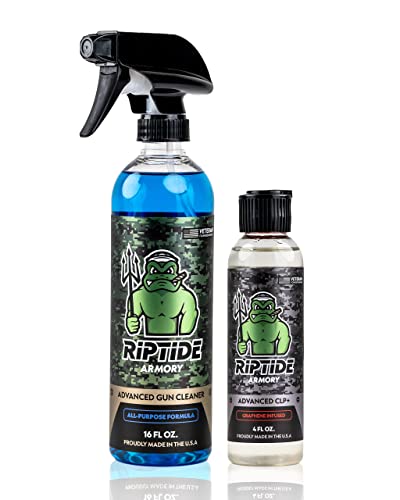
Riptide Advanced Gun Cleaner & CLP+ Graphene 2 Step Kit
Riptide
Budget
Apex Wilderness CLP Gun Cleaner 8oz 2-Pack
Apex Wilderness
Mid-Range
Knife Pivot Lube Combo Pack: Original, Heavy, Ultralight
Knife Pivot Lube
Mid-Range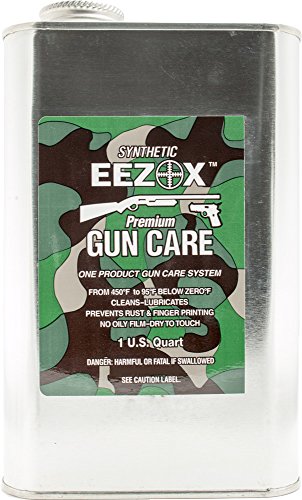
Premium synthetic gun care
EEZOX
Mid-Range
Ballistol Multi-Purpose Can Lubricant Cleaner Protectant 16 oz (2 pack)
Ballistol
Mid-Range
Skywin Fly Shooter Refill Salt 2 lbs (3-Pack) Large Grain Salt
Skywin
Budget
Lucas Oil Extreme Duty CLP - 4 oz (Pack of 12)
Lucas Oil
Mid-RangeRoundups
Frequently Asked Questions
How do I choose the right gun lubricant for my firearm type and use?
Choose a lubricant formulated for your firearm's action (pistols, rifles, shotguns) and expected conditions; lighter oils or CLPs (cleaner-lubricant-protectants) work well for semi-autos and daily use, while thicker greases are better for high-pressure contact points, long-term storage, or extreme temperatures
What are the main differences between oil, grease, and dry lubricants for guns?
Oil provides low-friction coverage and is easy to apply; grease stays in place longer and protects high-load surfaces; dry lubricants (e.g., PTFE-based) reduce buildup and attract less dust but may need more frequent reapplication under heavy use
How often should I clean and re-lubricate my firearm?
Clean and re-lubricate after exposure to fouling, moisture, or corrosive ammunition, and perform routine maintenance after several hundred rounds or at least once per season for stored firearms; high-use guns may need lubrication more frequently
Are there compatibility or material concerns I should check before using a lubricant?
Check compatibility with finishes, polymers, wood, and rubber parts—some solvents and petroleum-based products can degrade certain coatings or seals; follow manufacturer guidance and test on a small area if unsure
What safety and application tips should I follow when lubricating a gun?
Always ensure the firearm is unloaded and pointed in a safe direction, apply lubricants sparingly to moving parts to avoid attracting debris, wipe away excess, and store lubricants away from heat and flames
How do climate and storage conditions affect lubricant choice?
In humid or salty environments choose lubricants with corrosion inhibitors; in cold climates select products rated for low-temperature performance; for long-term storage use preservative oils that resist drying and rust
Is it worth paying more for brand-name gun lubricants?
Higher-priced products may offer specialized formulas (longer-lasting, better corrosion protection, or specific temperature ratings), but many reputable midrange lubricants perform adequately for common shooting and storage needs; consider performance features over brand alone