Horse Halters
This category covers horse halters and lead equipment for handling, training, and turnout, including nylon, leather, and rope styles. About 42 products average a 4.58 rating and span budget to mid-range prices (roughly $32–$95), with brands like Weaver Leather represented
Top Products
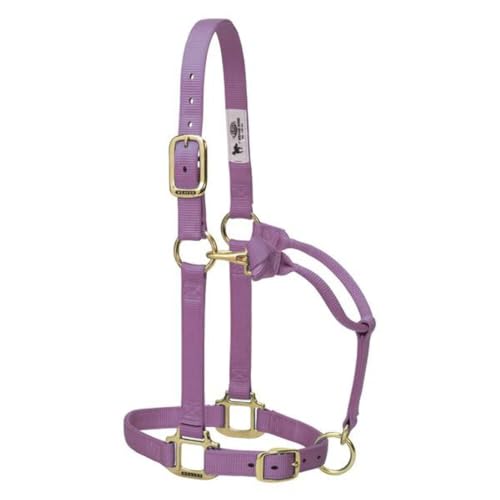
Weaver Leather Adjustable Nylon Horse Halter
Weaver Leather
Budget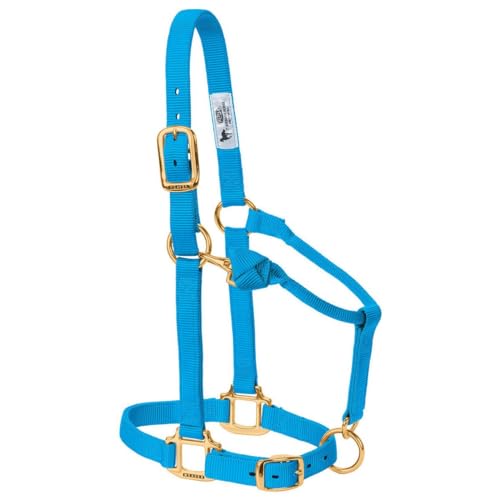
Weaver Leather Adjustable Nylon Horse Halter
Weaver Leather
Budget
Weaver Leather Latigo with Holes, 1-1/2" x 72'
Weaver Leather
Budget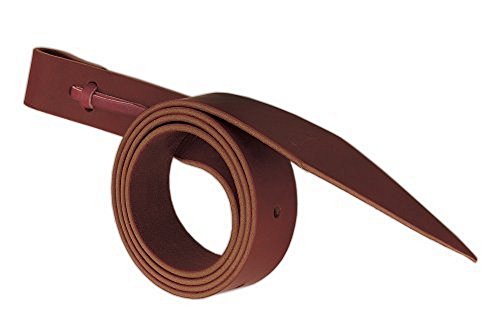
Weaver Leather Latigo with Holes
Weaver Leather
Mid-Range
Weaver Leather Felt Lined Deluxe Cinch
Weaver Leather
Budget
Weaver Leather Nylon Horse Halter, Triple-Ply Cheek, Black
Weaver Leather
Mid-Range
Weaver Leather Felt Lined Deluxe Cinch
Weaver Leather
Budget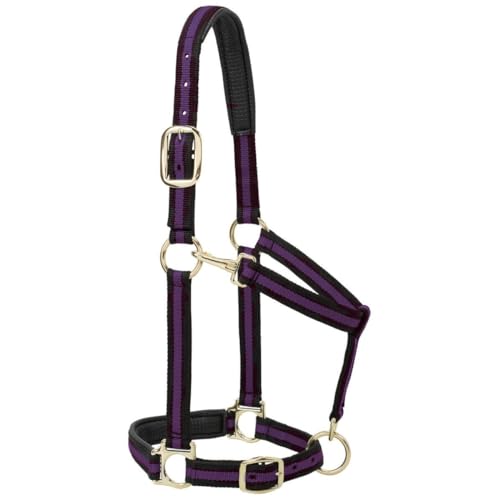
Weaver Leather Padded Nylon Horse Halter with Adjustable Fit
Weaver Leather
Mid-Range
Weaver Leather Felt Lined Deluxe Cinch
Weaver Leather
Mid-Range
Downunder rope halter
Downunder Horsemanship
Mid-Range
Downunder Horsemanship rope halter
Downunder Horsemanship
Mid-Range
Downunder rope halter for horses
Downunder Horsemanship
Mid-Range
Downunder Horse Rope Halter
Downunder Horsemanship
Mid-Range
Downunder Horsemanship Rope Halter
Downunder Horsemanship
Mid-Range
Downunder Horsemanship rope halter
Downunder Horsemanship
Mid-Range
Downunder Rope Halter - 1/4 inch yachting rope, hand-tied
Downunder Horsemanship
Mid-Range
Downunder Horsemanship rope halter
Downunder Horsemanship
Mid-Range
Breakaway horse halter with supple leather crown
Weaver Leather
Budget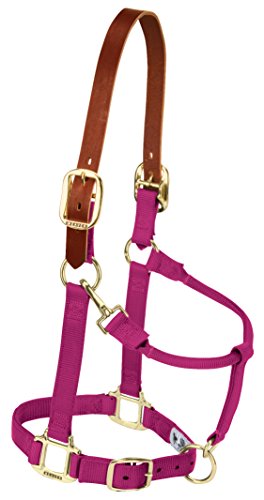
Breakaway Horse Halter with supple leather crown
Weaver Leather
Budget
Breakaway Horse Halter with supple leather crown
Weaver Leather
Mid-Range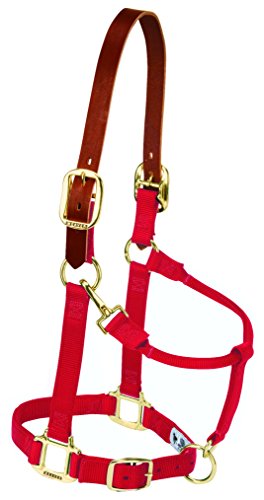
Breakaway Horse Halter with supple leather crown
Weaver Leather
Mid-Range
Breakaway Horse Halter with supple leather crown
Weaver Leather
Mid-Range
Breakaway Horse Halter with Supple Leather Crown
Weaver Leather
Mid-Range
Breakaway horse halter with supple leather crown
Weaver Leather
Mid-RangeRoundups
Frequently Asked Questions
How do I choose the right size halter for my horse?
Measure your horse’s muzzle circumference, nose-to-poll length, and throatlatch; compare those measurements to the halter brand’s sizing chart and choose adjustable styles when between sizes to ensure proper fit and comfort
What are the main material options and how do they differ?
Common materials are nylon (durable, affordable, easy-care), leather (traditional, breathable, requires conditioning), and padded synthetic or neoprene (extra comfort and pressure reduction); choose based on durability needs and skin sensitivity
Which features should I prioritize for safety and control?
Look for sturdy hardware (solid brass or stainless steel), breakaway or leather crown pieces for turnout safety, adjustable buckles for fit, and reinforced stitching at stress points to prevent sudden failure
Are there halters better suited for training versus turnout?
Yes—training halters often have limited-slip or rope components for increased control and communication, while turnout halters should be simple, strong, and ideally include a breakaway element to reduce injury risk if the horse gets caught
How do I care for and clean a halter to extend its life?
Nylon and synthetic halters can be hand-washed with mild soap and water and air-dried; leather halters should be cleaned with a leather cleaner and regularly conditioned to prevent drying and cracking; inspect hardware and stitching after cleaning
What price range should I expect and how does cost relate to quality?
Halters commonly range from budget options under $25 up to higher-end leather models over $100; higher prices often reflect better materials, hardware, padding, or handcrafted construction but many mid-price nylon halters offer good durability and fit
How can I tell if a halter fits correctly once on the horse?
A correctly fitted halter sits about two finger-widths below the horse’s cheekbone, leaves room to slide a few fingers under the noseband, does not rub behind the ears, and allows normal breathing and swallowing without pinching