Men's Hiking & Outdoor Recreation Vests
Men's Hiking & Outdoor Recreation Vests for sports and outdoor activities, including insulated, lightweight packable, and utility vests for layering and gear carry. The category spans budget through mid-range options (about $39–$180, avg $92) with 51 products and an average rating of 4.44; brands include Hecusma and TIDEWE
Top Products

BASSDASH Fishing Vest with 18 Pockets
BASSDASH
Mid-Range
BASSDASH Adjustable Fishing Vest for Men and Women
BASSDASH
Mid-Range
Heated vest with 6 heating zones, lightweight
MRAWARM
Mid-Range
Heated vest for men, outdoor lightweight warming with battery pack
uupalee
Mid-Range
Heated Vest for Men Outdoor: Lightweight Heating Clothing
uupalee
Mid-Range
TIDEWE Heated Vest with Battery Pack (Men's)
TIDEWE
Premium
TIDEWE Mens Heated Vest with Battery Pack
TIDEWE
Premium
TIDEWE Mens Heated Vest with Battery Pack
TIDEWE
Premium
TIDEWE Mens Heated Vest with Battery Pack
TIDEWE
Premium
Heated Vest for Men Outdoor Lightweight Warmth with Battery Pack
uupalee
Mid-Range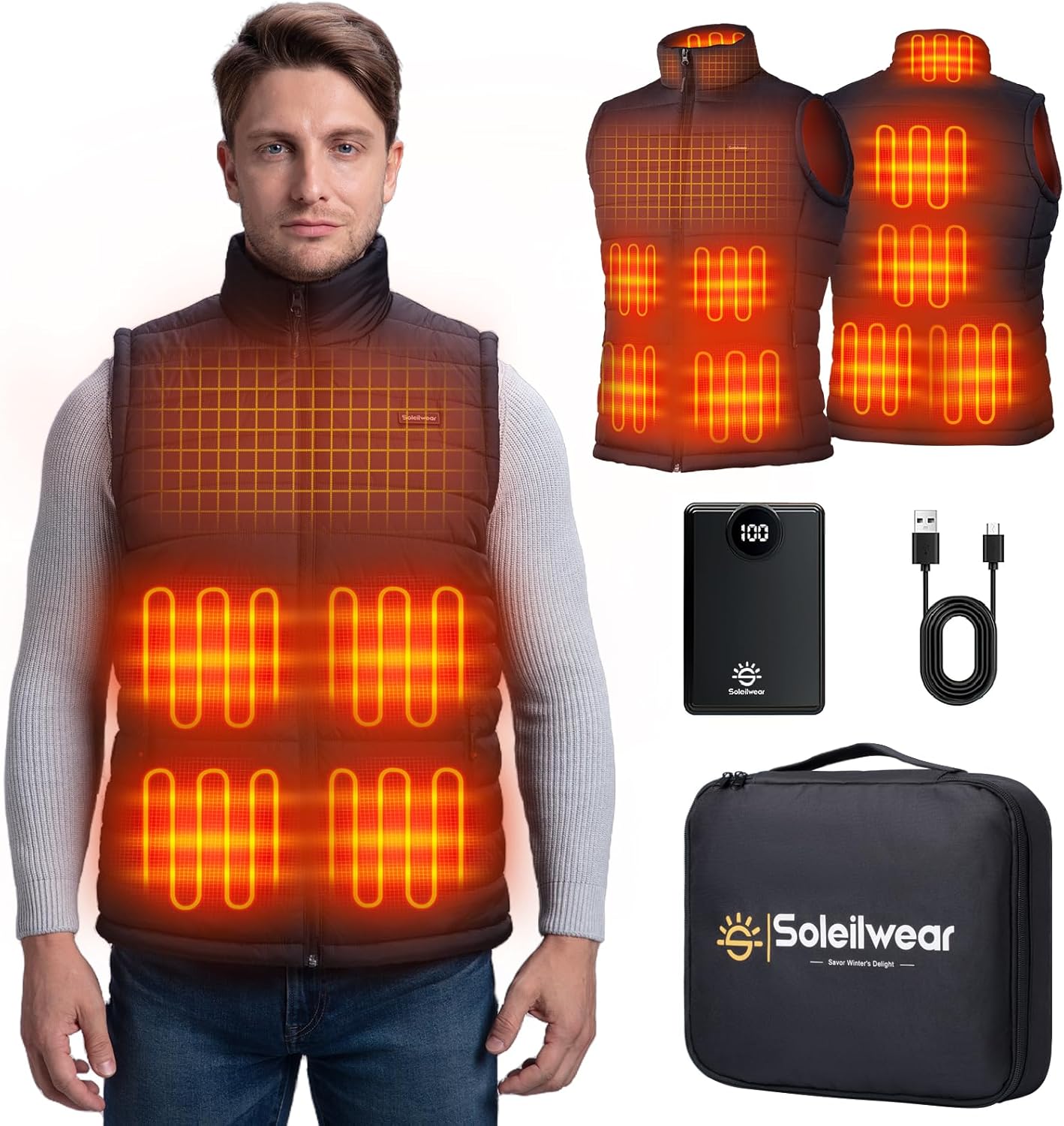
Mens heated vest with 9 heating zones
Soleilwear
Premium
Heated Vest with 16000mAh Battery Pack - Waitcoss
Waitcoss
Premium
Heated Vest with 5V 20000mAh Battery Pack Included
Shenzhen Huochetou Technology Co., Ltd
Mid-Range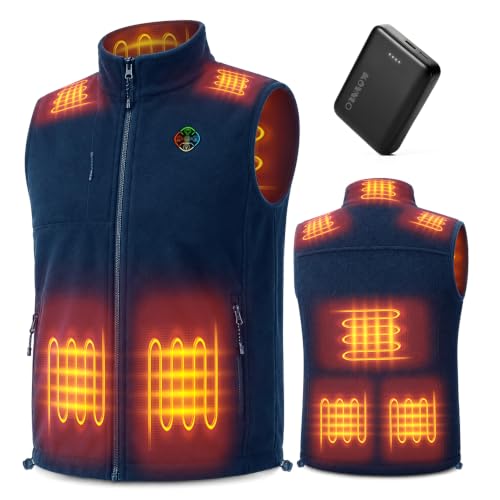
KOVNLO Heated Vest with Battery Pack included
KOVNLO
Premium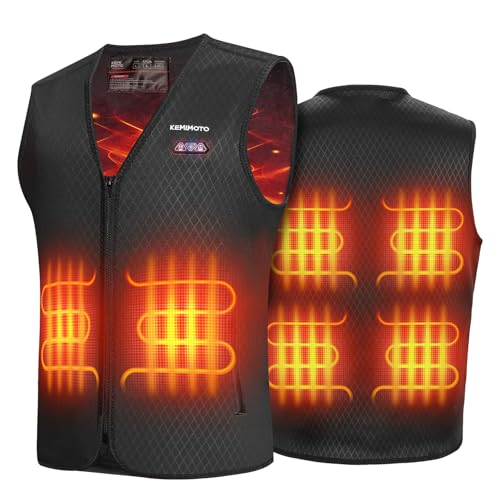
KEMIMOTO heated vest for men with 6 heating zones
KEMIMOTO
Mid-Range
TIDEWE Mens Heated Vest with Battery Pack
TIDEWE
Premium
Heated Vest for Men with 26 Heating Zones (No Battery Pack) - Windproof Lightweight Polyester
Techstuph
Mid-Range
Heated Vest for Men – 26 Heating Zones, Windproof
Techstuph
Mid-Range
KEMIMOTO heated vest for men with 6 heated zones
KEMIMOTO
Mid-Range
Upgraded heated fleece vest with 4 zones and collar heat
GUANGDONG SHANGRILA NETWORKING TECHNOLOGY CO., LTD
Premium
KOVNLO Heated Vest with Battery Pack Included
KOVNLO
Premium
Heated vest for men with battery pack
Hecusma
Premium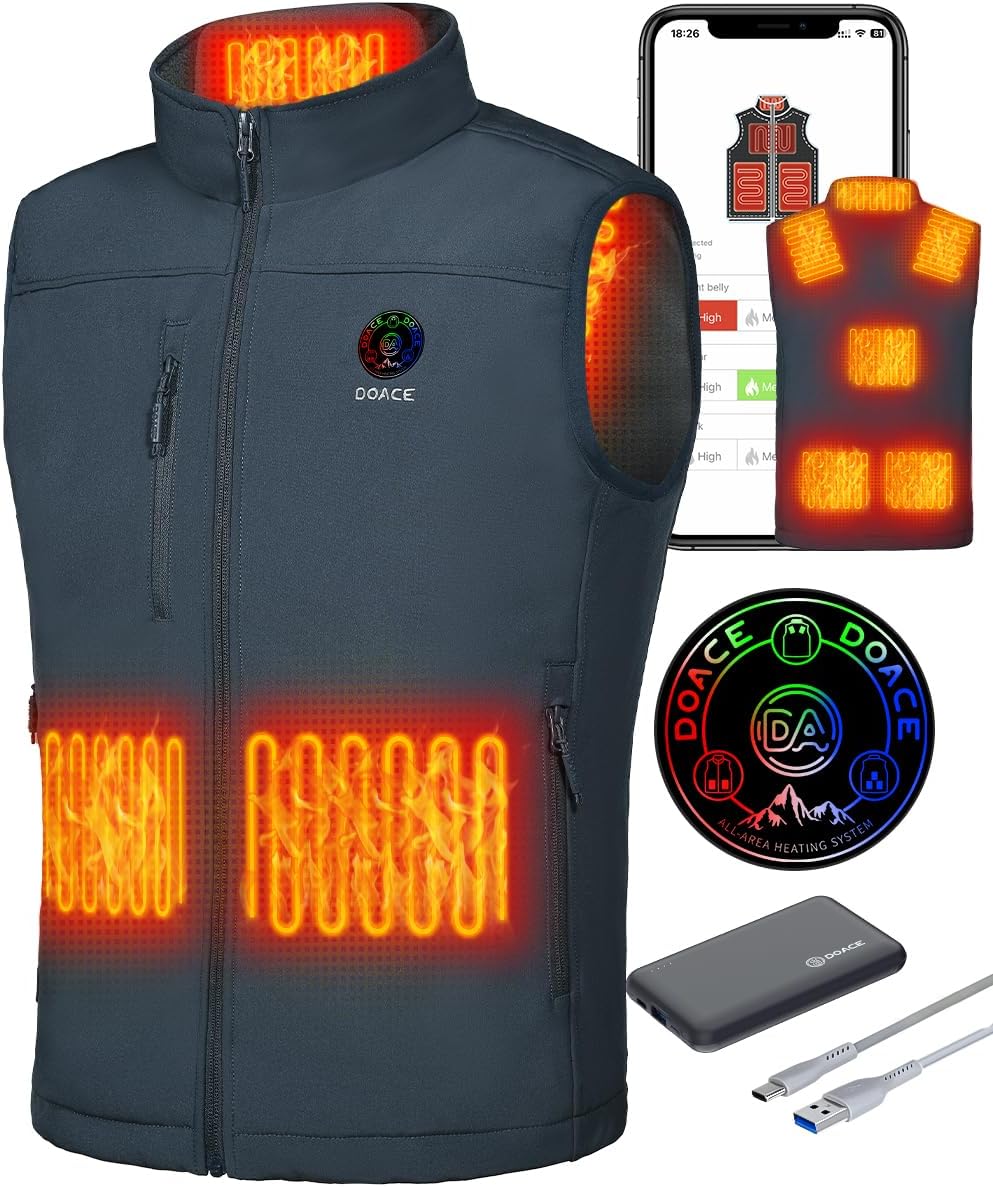
DOACE Heated Vest with App Control, Battery Pack Included
DOACE
Premium
TIDEWE Heated Vest with Battery Pack (Men) - Lightweight outdoor vest
TIDEWE
PremiumRoundups
- Best Men's Hiking & Outdoor Recreation Vests for Outdoor Work (2026)
- Best Men's Hiking & Outdoor Recreation Vests for Ice Hockey (2026)
- Best Men's Hiking & Outdoor Recreation Vests for Ice Fishing (2026)
- Best Men's Hiking & Outdoor Recreation Vests for Hunting (2026)
- Best Men's Hiking & Outdoor Recreation Vests Under $200 (2026)
- Best Men's Hiking & Outdoor Recreation Vests Under $100 (2026)
- Best Men's Hiking & Outdoor Recreation Vests Under $50 (2026)
- Best Men's Hiking & Outdoor Recreation Vests (2026 Guide)
Frequently Asked Questions
How do I choose the right size and fit for a men's hiking vest?
Select a vest based on chest and waist measurements and consider layering thickness; many brands offer size charts and fit descriptions (regular, slim, relaxed). For active use, a closer fit that still allows a lightweight base layer is better to prevent chafing and bulk, while a relaxed fit can accommodate thicker insulating layers
What are the main types of hiking and outdoor vests and when should I use each?
Common types include insulated/down or synthetic vests for warmth, softshell vests for wind and light rain resistance with stretch for movement, and lightweight packable shells or windbreakers for wind protection. Choose insulated vests for cold conditions, softshell for technical activity in cool weather, and lightweight shells for variable conditions or as an extra layer
Which features matter most for hiking vests (pockets, hood, insulation, water resistance)?
Prioritize features based on activity: secure zip pockets for phone/keys and handwarmer pockets for warmth; a high collar or hood if you need extra weather protection; the type of insulation (down for weight-to-warmth, synthetic for wet-weather performance); and DWR coating or a windproof shell for light precipitation and wind resistance
What should I expect to pay for a men's hiking vest and how do prices correlate with performance?
Prices commonly range from budget options under $50 to higher-end pieces over $200, with many mid-range vests around $50–$150; higher prices often reflect better insulation materials, technical shells, durable construction, and brand features, though mid-priced options can offer good performance for casual hikers
How do I care for and clean an insulated or down hiking vest?
Follow the garment's care label; generally wash on a gentle cycle with a technical detergent, use cold water, and tumble dry low with clean tennis balls or dryer balls to restore loft for down. For synthetic insulation, air drying or low-heat tumble drying is usually safe; avoid fabric softeners and bleach
Are lightweight vests or heavier insulated vests better for multi-day backcountry trips?
For multi-day trips, choose based on expected temperatures and weight priorities: insulated vests provide warmth as a core layer and can reduce sleeping bag load, while lightweight packable vests save pack space and are better when you need versatility and need to manage overall carry weight
What fabric and insulation trade-offs should I consider for wet or variable conditions?
Down offers high warmth-to-weight but loses loft when wet unless treated as water-resistant; synthetic insulation retains warmth when damp but can be heavier. Water-resistant shells and DWR finishes help in light rain, while fully waterproof garments are heavier and better suited to prolonged wet conditions