Rifle Scopes
Rifle scopes for hunting, target shooting, and tactical use, covering fixed and variable magnification optics, red dots, and scope mounts. This category includes budget through premium options (222 products indexed, average rating 4.48) with brands like Vortex, Bushnell, and CVLIFE represented
Top Products

Vortex Crossfire II 3-9x50 Riflescope (1-inch tube) Second Focal Plane
Vortex
Premium
Vortex Crossfire II 3-9x50 Riflescope, 1" Tube
Vortex
Premium
Crossfire II 3-9x40 riflescope with V-Plex reticle
Vortex
Premium
Vortex Crossfire II Riflescope 2-7x32
Vortex
Premium
CVLIFE 2.5-10x40e scope with 20mm mount
CVLIFE
Mid-Range
Pinty 3-9X40 Illuminated Rifle Scope
Pinty
Budget
CVLIFE 3-9x40 Rifle Scope with Mounts
CVLIFE
Budget
Bushnell Trophy TRS-25 Red Dot Sight 1x20mm
Bushnell
Premium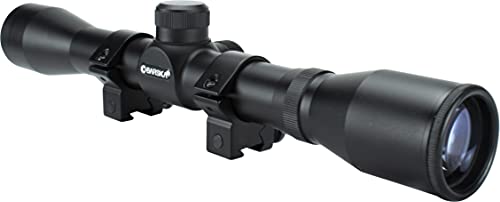
BARSKA 30/30 Crosshair Rifle Scope for .22 Plinking & Rimfire
Barska
Mid-Range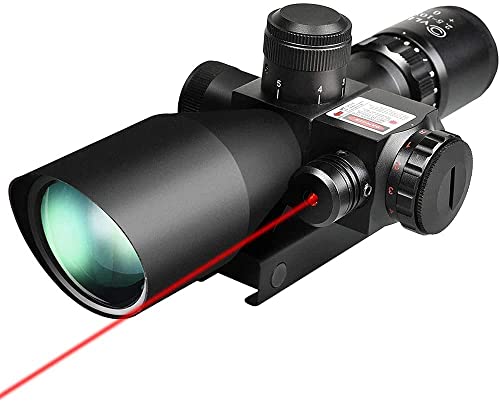
CVLIFE 2.5-10x40e Rifle Scope with 20mm Mount
CVLIFE
Mid-Range
CVLIFE 4x32 Compact Rifle Scope Crosshair Optics
CVLIFE
Budget
Pinty 4-in-1 Rifle Scope Combo with Red Dot and Laser
Pinty
Premium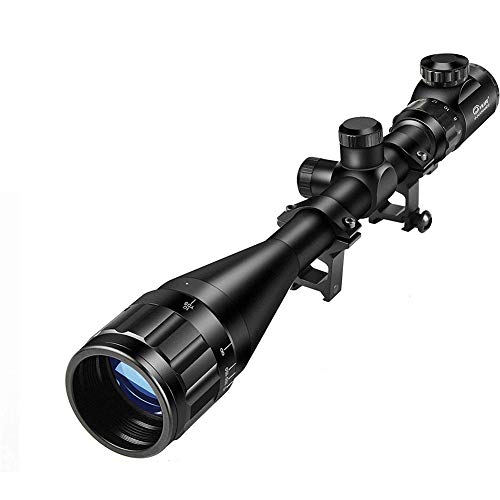
CVLIFE 6-24x50 Rifle Scope with illuminated reticle
CVLIFE
Mid-Range
Vortex Crossfire II 1-inch Riflescope, 6-18x44
Vortex
Premium
CVLIFE 3-9x40 Rifle Scope with Mounts
CVLIFE
Budget
CVLIFE 3-9x40 Rifle Scope with Mounts
CVLIFE
Mid-Range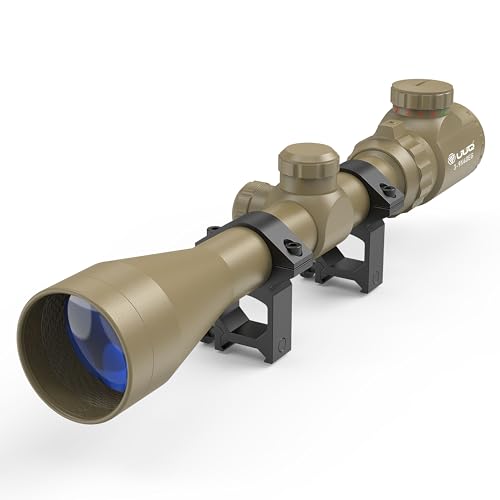
UUQ 3-9x40 Rifle Scope with red/green illumination
UUQ
Mid-Range
CVLIFE 4-16x44 rifle scope with illuminated reticle
CVLIFE
Mid-Range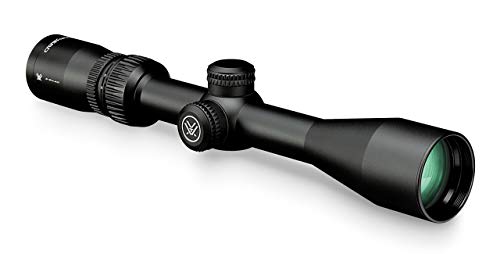
Copperhead Riflescope with Dead-Hold BDC reticle
Vortex
Premium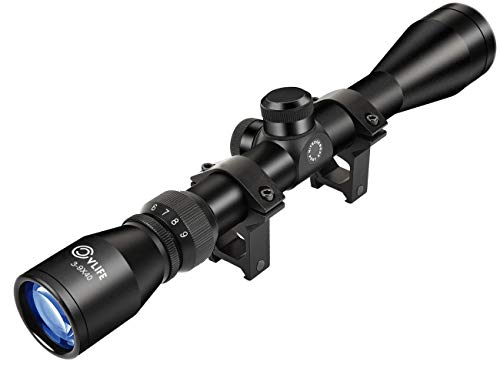
CVLIFE 3-9x40 Rifle Scope with Mounts
CVLIFE
Budget
CVLIFE 6-24x50 AO Rifle Scope with Illuminated Reticle
CVLIFE
Mid-Range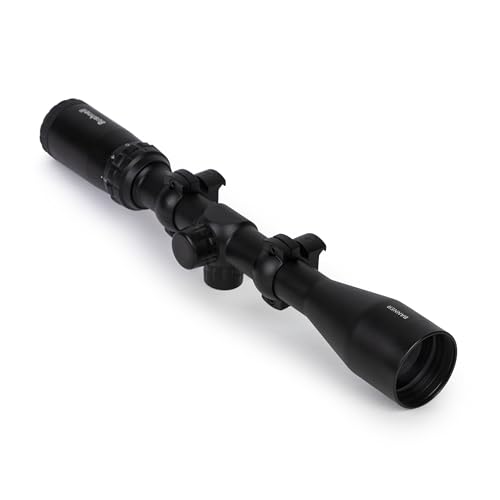
Bushnell Banner 3-9x40 Riflescope
Bushnell
Mid-Range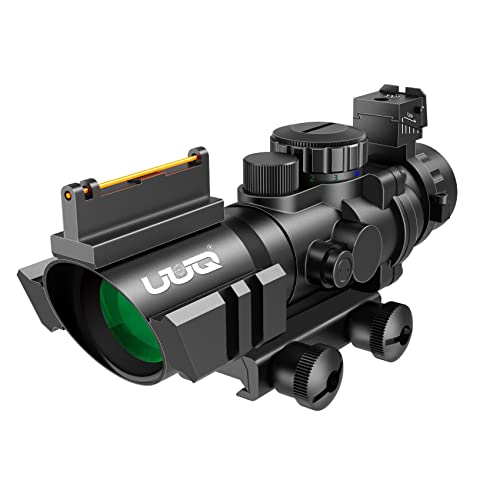
UUQ Prism 4x32 rifle scope with illuminated reticle
UUQ
Mid-Range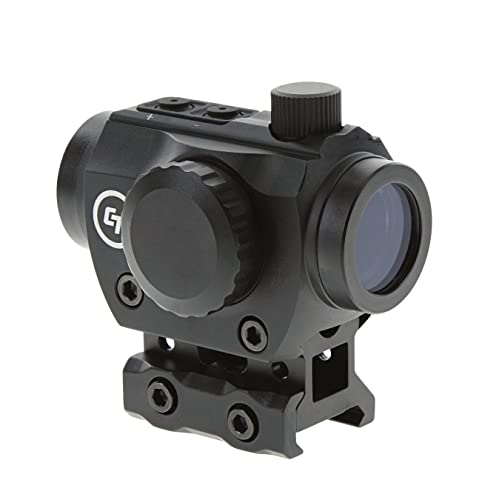
Crimson Trace CTS-25 Compact Sight with 4 MOA Red Dot
Crimson Trace
Mid-RangeRoundups
Frequently Asked Questions
How do I choose the right magnification for a rifle scope?
Select magnification based on typical shooting distance and target size: low magnification (1–4x) for close-range, fast target acquisition; mid-range (4–12x) for general hunting and target shooting; high magnification (12x+) for long-range precision. Consider a variable-power scope for flexibility and match magnification to your rifle caliber and shooting skills
What objective lens size should I pick and why does it matter?
Objective lens size (measured in millimeters) affects light gathering and field of view: larger objectives (40–56mm) provide brighter images in low light but add weight and height; smaller objectives (20–32mm) are lighter and lower-profile for close-to-medium range use. Balance brightness needs with rifle mounting clearance and total weight
What reticle types are available and how do I choose one?
Common reticles include duplex, mil-dot, BDC (bullet drop compensator), and illuminated reticles. Choose duplex for simple aiming, mil-dot or MOA stadia for range estimation and holdovers, BDC for quick elevation compensation with known ballistics, and illuminated reticles for low-light contrast. Match the reticle to your shooting style and whether you plan to use range estimation or ballistic data
How important are features like waterproofing, fog proofing, and shock resistance?
Durability features are important for reliability in field conditions: waterproofing prevents damage from rain or immersion, fog proofing (nitrogen or argon purging) prevents internal fogging during temperature changes, and shock resistance protects zero and internal components from recoil. Choose scopes with these features if you expect harsh weather or heavy-recoiling firearms
What mounting considerations should I know before buying a scope?
Ensure ring diameter matches the scope tube (commonly 1 inch or 30/34mm) and pick a mount height that provides proper eye relief and clearance for the objective lens. Verify rail compatibility (Picatinny/Weaver) and use quality rings torqued to manufacturer specs to maintain zero
How do I evaluate optical quality and performance from product listings?
Look for specs like lens coatings (multi-coated or fully multi-coated), exit pupil and eye relief measurements, resolution or line pairs/mm when available, and customer ratings for clarity. Seek detailed specifications and multiple close-up images; higher-end optics typically specify glass type and coating processes
What maintenance is required to keep a rifle scope functioning well?
Keep lenses clean using a soft brush, lens cloth, and lens-safe cleaning solution; avoid harsh chemicals. Regularly check mounts and ring torque, store the scope in a dry, padded case, and avoid prolonged exposure to extreme temperatures or direct sunlight on the lenses