Slow-Pitch Softball Bats
Slow-pitch softball bats for recreational and league play, including one-piece and two-piece designs optimized for swing comfort and power. The 11 indexed products average a 4.36 rating and span budget through mid-range prices (about $45–$170), with brands like Easton and Miken represented
Top Products

Easton Hammer Slowpitch Bat 12" Loaded
Easton
Mid-Range
Easton Hammer Slowpitch Bat 12" Loaded Barrel
Easton
Mid-Range
Chaos Slowpitch Softball Bat - All Association, XL Endload, 14" Barrel
Miken
Premium
Chaos Slowpitch Bat | All-Association XL Endload 14in Barrel
Miken
Premium
Easton Rebel Slowpitch Bat | Loaded 12" Barrel
Easton
Mid-Range
Easton Rebel Slowpitch Bat 12" Loaded Alloy
Easton
Mid-Range
Easton Hammer Slowpitch Bat 12" Loaded Alloy
Easton
Mid-Range
Easton Rebel Slowpitch Softball Bat - Loaded 12" Barrel
Easton
Mid-Range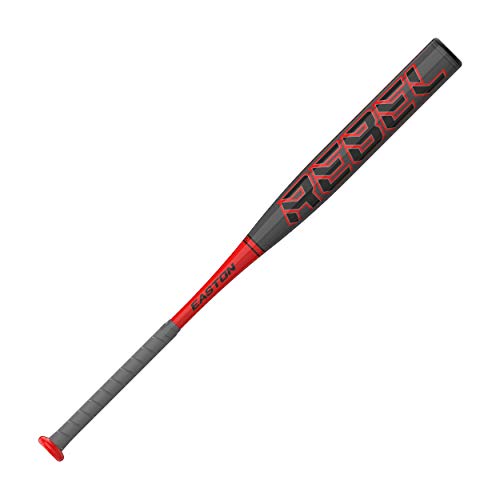
Easton Rebel Slowpitch Softball Bat 12" loaded
Easton
Mid-Range
Miken Vicious 13" Maxload Dual Stamp Slow Pitch Bat MPAV
Miken
Premium
Miken 13" Maxload Dual Stamp Slow Pitch Bat MPAV
Miken
PremiumRoundups
- Best Slow-Pitch Softball Bats for Competitive Slowpitch Leagues (2026)
- Best Slow-Pitch Softball Bats for Practice Sessions (2026)
- Best Slow-Pitch Softball Bats for Recreational Slowpitch Games (2026)
- Best Slow-Pitch Softball Bats for Competitive Slowpitch Practice (2026)
- Best Slow-Pitch Softball Bats Under $200 (2026)
- Best Slow-Pitch Softball Bats Under $100 (2026)
- Best Slow-Pitch Softball Bats (2026 Guide)
Frequently Asked Questions
How do I choose the right slow-pitch softball bat length and weight?
Choose a length based on your height and batting stance—most adults use 34–36 inches—and pick a weight that lets you maintain control and a quick swing; many slow-pitch bats are measured by ounces and often range from balanced to end-loaded feel
What materials and construction should I look for in a slow-pitch softball bat?
Slow-pitch bats are commonly made from aluminum/alloy or composite materials; alloy bats tend to be durable and affordable while composite bats can offer larger sweet spots and vibration reduction, but may require a break-in period
Are there league or tournament rules I need to consider before buying a bat?
Yes—confirm the bat meets the certification standards required by your league or tournament (for example ASA/USA Softball, ISF/WBSC, or other governing bodies) because non-certified bats can be prohibited regardless of performance
What price range should I expect for quality slow-pitch bats?
Slow-pitch bats span budget to premium tiers; expect entry-level options below $50, many mid-range bats around $50–$150, and high-end composite models above that, with an average price near (price varies) in the current market
How should I care for and maintain a slow-pitch softball bat to extend its life?
Wipe down bats after use, avoid extreme temperatures, store them indoors, do not hit metal or frozen balls, and follow manufacturer guidance on break-in and inspection for dents or cracks to maintain performance and safety
What's the difference between balanced and end-loaded slow-pitch bats, and which should I pick?
Balanced bats distribute weight evenly for faster swing speed and control, suited to contact hitters; end-loaded bats have more weight toward the barrel for added power on full swings, preferred by hitters seeking extra distance
Can I use a youth slow-pitch bat for an adult league or vice versa?
Bats are often sized and certified differently for youth and adult play; check length, weight, and certification rules for your league—using a youth bat in an adult league may be disallowed even if the size fits