Snowshoes
Snowshoes for winter hiking and snow travel, including classic aluminum-frame and lightweight deck models for recreational use. The 26 indexed products average a 4.45 rating and mid-range pricing around $50–$120, with brands like Retrospec represented
Top Products

Drifter Snowshoe with aluminum frame & double-ratchet binding
Retrospec
Mid-Range
G2 lightweight snowshoes with binding and poles
G2 GO2GETHER
Mid-Range
G2 light weight snowshoes with toe box & binding
G2 GO2GETHER
Mid-Range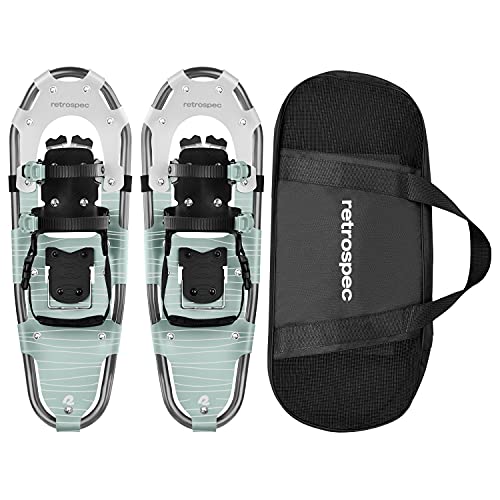
Drifter snowshoe with double-ratchet binding
Retrospec
Mid-Range
Drifter Snowshoe with aluminum frames & double-ratchet binding
Retrospec
Mid-Range
Drifter Snowshoe for men & women with aluminum frames
Retrospec
Mid-Range
G2 lightweight snowshoes with padded binding and carry bag
G2 GO2GETHER
Premium
Drifter Snowshoe by Retrospec with double-ratchet binding
Retrospec
Mid-Range
G2 snowshoes with toe box and EVA padding
G2 GO2GETHER
Premium
G2 lightweight snowshoes with toe box & EVA binding
G2 GO2GETHER
Premium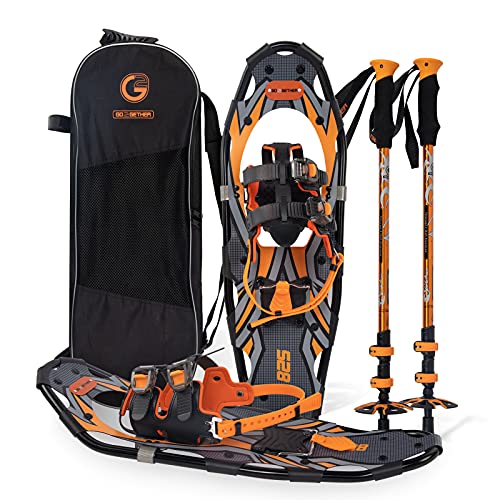
G2 light weight snowshoes with toe box and EVA binding
G2 GO2GETHER
Premium
G2 light-weight snowshoes with toe box and binding
G2 GO2GETHER
Premium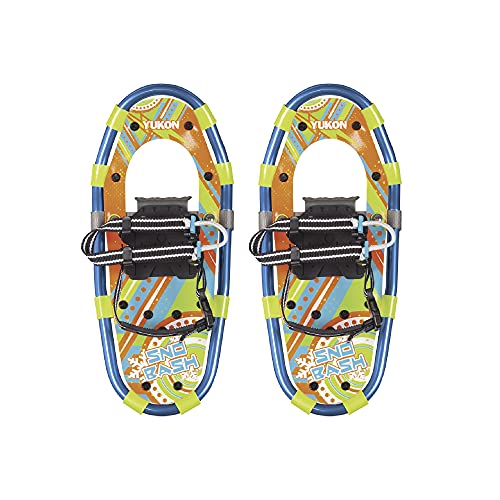
Youth aluminum snowshoe with Easy-Pull binding
Yukon Charlie's
Mid-Range
G2 Snowshoes with Toe Box and EVA Bindings
G2 GO2GETHER
Premium
Retrospec snowshoes & trekking poles bundle
Retrospec
Premium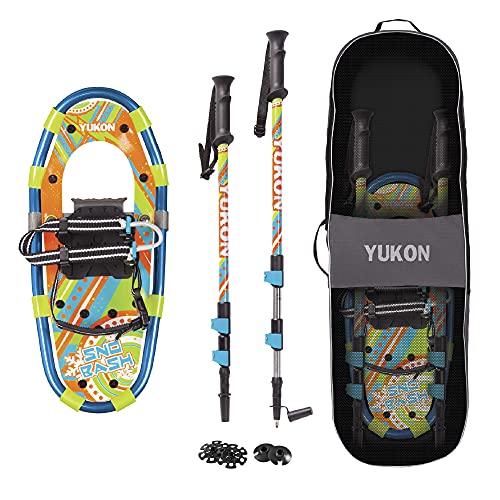
Youth aluminum snowshoe, 7x16 frame
Yukon Charlie's
Premium
G2 lightweight snowshoes with binding, poles and bag
G2 GO2GETHER
Premium
Odoland Snowshoes with Poles, Gaiters & Bag (21/25/30 in)
Odoland
Premium
Retrospec Drifter Snowshoe & Trekking Pole Bundle
Retrospec
Premium
Retrospec Drifter Snowshoes & Trekking Poles Bundle
Retrospec
Premium
Retrospec Drifter Snowshoes & Trekking Poles Bundle
Retrospec
Premium
Retrospec Drifter Snowshoes & Trekking Poles Bundle
Retrospec
Premium
Retrospec Drifter Snowshoes & Trekking Poles Bundle
Retrospec
Premium
Retrospec Drifter Snowshoes & Trek Poles Bundle
Retrospec
PremiumRoundups
Frequently Asked Questions
How do I choose the right snowshoe size for my weight and intended use?
Select snowshoe size based on your total load (body plus clothing and gear) and the snow conditions: heavier loads and soft, deep snow need larger flotation (bigger surface area), while lighter users and packed trails can use smaller, more maneuverable models. Manufacturers usually list recommended weight ranges for each size—match your expected total weight to that range
What binding and boot features should I look for?
Choose bindings that securely fit your typical footwear—ratcheting or quick-adjust bindings work well for winter boots, while strap systems accommodate mountaineering boots; look for a stable heel lift (climbing bar) for steep terrain and a rigid toe/heel connection to prevent slippage. Check that the binding is adjustable, durable, and usable with gloves on
Are there different snowshoes for trail walking, snowshoe running, or mountaineering?
Yes: trail snowshoes prioritize flotation and stability for groomed or rolling terrain; running models are smaller and lighter for speed and require good traction; mountaineering snowshoes are sturdier with aggressive crampons and frames designed for steep, technical terrain. Match the type to your typical activity and terrain
How important is traction and what should I look for in crampons?
Good traction is essential on icy or steep slopes; look for metal crampons or aggressive teeth under the toe and heel that bite into ice and hard snow. Multiple-point crampon systems offer better grip and stability—ensure the crampons are compatible with the frame and are rated for the terrain you plan to use
What materials and construction affect durability and weight?
Frames can be aluminum (sturdy, relatively light) or composite/plastic (lighter and often cheaper); decking materials vary in durability and flexibility—PVC or synthetic fabrics are common. Heavier-duty bindings and metal crampons increase durability but add weight; consider the trade-off between durability and packable weight for your use
How should I care for and store snowshoes to prolong their life?
After use, remove snow and ice, rinse off dirt and salt, dry thoroughly (away from direct heat), and check bindings and crampons for wear or loose hardware. Store in a cool, dry place out of direct sunlight and periodically lubricate moving parts and tighten fasteners
What price range should I expect and how does cost relate to performance?
Snowshoes typically range from budget options under $50 to higher-end models over $200, with many mid-range recreational models averaging around $80. Higher prices generally reflect lighter materials, more durable frames, advanced bindings, and better crampons—choose based on frequency of use and the terrain you'll encounter