Softball Catcher's Mitts
This category covers softball catcher's mitts for youth and adult players, ranging from basic entry-level models to higher-end leather gloves built for frequent play. Nineteen products average a 4.55 rating and an approximate price of (price varies), with top brands including Mizuno and Easton
Top Products
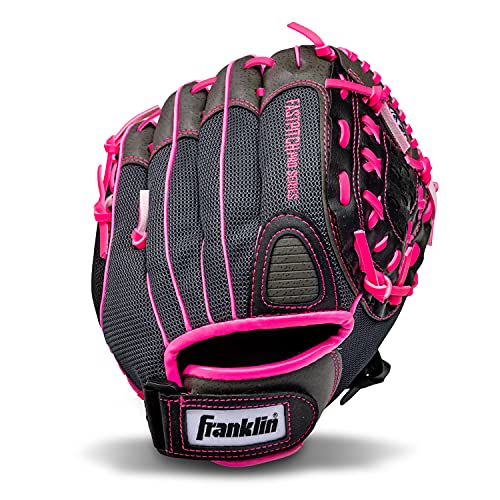
Franklin Sports Girls Softball Glove - Windmill Fastpitch + Slowpitch
Franklin Sports
Budget
Franklin Sports Girls Softball Glove – Windmill Fastpitch/Slowpitch, Right & Left Hand, Adult
Franklin Sports
Budget
Easton Ghost Flex Youth Softball/T-ball Glove 10"-12"
Easton
Mid-Range
Easton Ghost Flex Youth Softball/T-Ball Glove, 10"-12"
Easton
Mid-Range
Easton Ghost Flex Youth Softball/T-Ball Glove 10"-12"
Easton
Mid-Range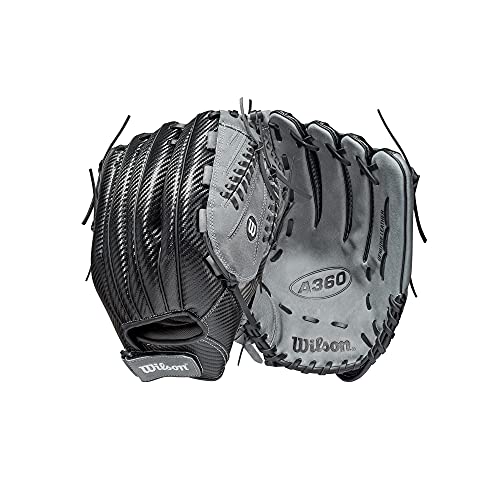
Wilson 2021 A360 Slowpitch Softball Glove, 13"
WILSON
Mid-Range
Mizuno Prospect Select Fastpitch Softball Glove
Mizuno
Mid-Range
Mizuno Prospect Select Fastpitch Softball Glove
Mizuno
Mid-Range
Mizuno Franchise Fastpitch Catcher's Mitt
Mizuno
Premium
Mizuno Prospect Select Fastpitch Softball Glove
Mizuno
Mid-Range
Mizuno Prospect Select Fastpitch Softball Glove
Mizuno
Mid-Range
Mizuno MVP Prime Fastpitch catcher’s mitt
Mizuno
Premium
Rawlings Liberty Advanced 34 in catcher’s mitt
Rawlings
Premium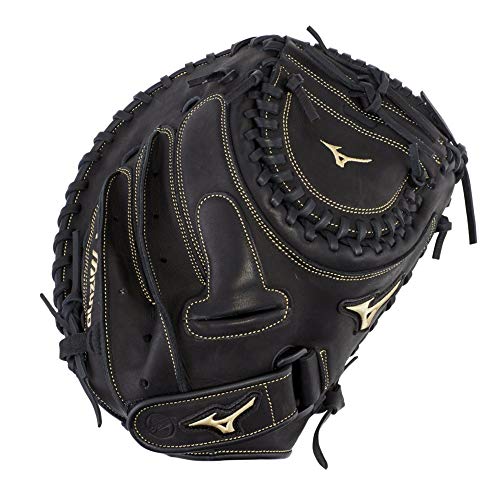
Mizuno MVP Prime Fastpitch Catcher's Mitt
Mizuno
Premium
Mizuno MVP Prime Fastpitch Softball Catcher's Mitt
Mizuno
Premium
Mizuno MVP Prime Fastpitch catcher's mitt
Mizuno
Premium
Mizuno MVP Prime Fastpitch Catcher's Mitt
Mizuno
Premium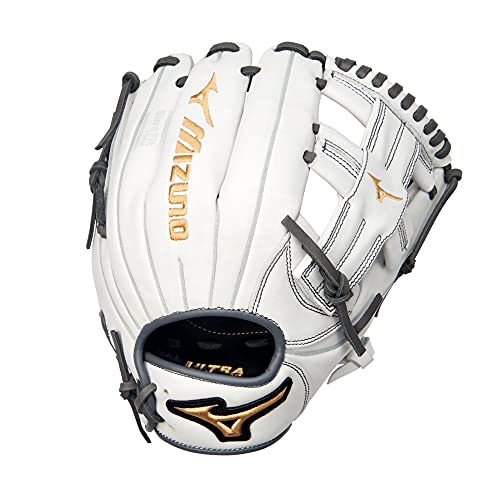
Mizuno MVP Prime Fastpitch Caught Mitt
Mizuno
Premium
Wilson A500 Siren 32 Youth Fastpitch Catcher's Mitt
WILSON
Mid-RangeRoundups
Frequently Asked Questions
How do I choose the right softball catcher's mitt size and fit?
Choose mitt size by age and league: youth models typically range 30.5"–32", adult fastpitch/slowpitch from about 32"–35"; ensure the mitt fits snugly on your hand with adjustable wrist straps and a secure pocket depth for quick transfers and comfortable control
What are the main differences between leather and synthetic catcher's mitts?
Leather mitts offer greater durability, natural break-in and consistent feel, while synthetic mitts are lighter, lower-cost and require less break-in; leather is preferred for longevity and performance, synthetic for budget or recreational play
Which features matter most for catching performance?
Key features include pocket depth and shape (deeper pockets help with blocking, shallow pockets aid quick transfers), padding for impact protection, web pattern for visibility and control, and break-in level to match your preference for stiffness versus flexibility
What should I expect in terms of price and value for catcher's mitts?
Catcher's mitts commonly range from budget options under $50 to higher-end leather models over $150, with many quality options around $60–$120; higher-priced mitts typically use premium leather and construction that improve longevity and feel
How do I break in and maintain a catcher's mitt?
Break in using play, controlled pounding, and a small amount of leather conditioner applied sparingly; maintain by keeping it clean, lightly conditioning a few times per season, storing with a ball in the pocket to preserve shape, and avoiding excess moisture or heat
Are there position- or league-specific rules I should consider?
Check your league's equipment rules for maximum mitt dimensions and allowable materials; choose models approved for your league (youth, high school, college, recreational) and consider differences between fastpitch and slowpitch requirements
How do I know when to replace a catcher's mitt?
Replace the mitt when padding compresses so much that impact protection or ball control is compromised, when significant tears or broken laces occur, or when the pocket and shape no longer allow reliable transfers and catching performance