Spotting Scopes
Spotting scopes for outdoor observation and target spotting, offered in compact to high-magnification configurations for birding, hunting, and long-range viewing. The 27 indexed products average a 4.41 rating and span budget through premium price points (about $55–$470), with brands like Gosky and SVBONY represented
Top Products

Gosky 20-60x60 spotting scope with tripod & phone adapter
Gosky
Premium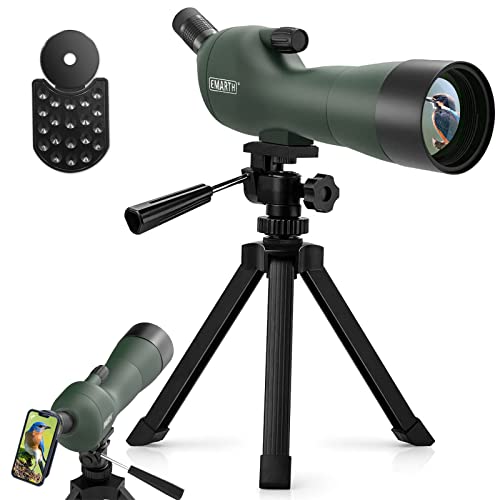
Emarth 20-60x60 Angled Spotting Scope with Tripod
Emarth
Premium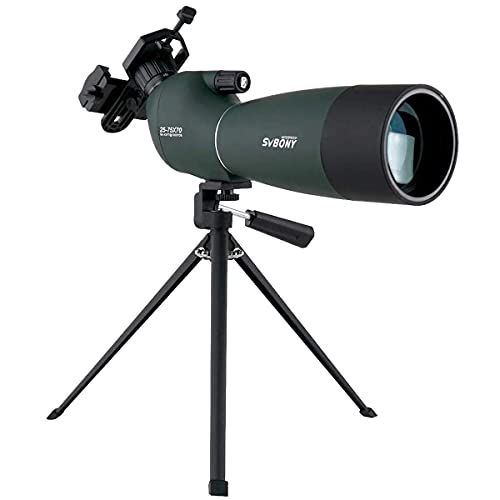
SVBONY SV28 Spotting Scope with Tripod and Phone Adapter
SVBONY
Mid-Range
Gosky DiamondEdge 20-60x80 Spotting Scope with Tripod
Gosky
Premium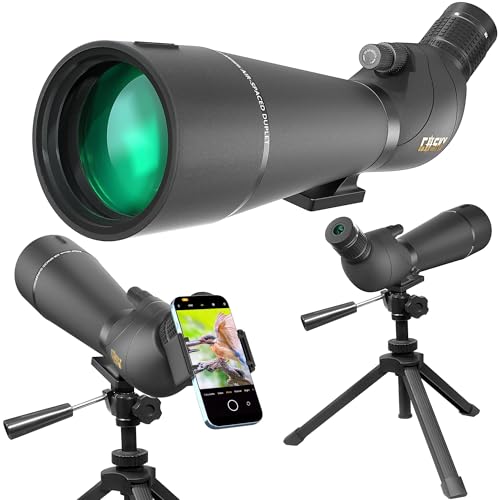
Gosky 25-75x85 spotting scope with tripod
Gosky
Premium
SVBONY SV28 20-60x80 Spotting Scope
SVBONY
Premium
Killer Instinct Lumix Speedring 1.5-5 x 32 IR-E Crossbow Scope
Killer Instinct
Premium
WOZEL spotting scope 25-75x80/100 with bag
WOZEL
Premium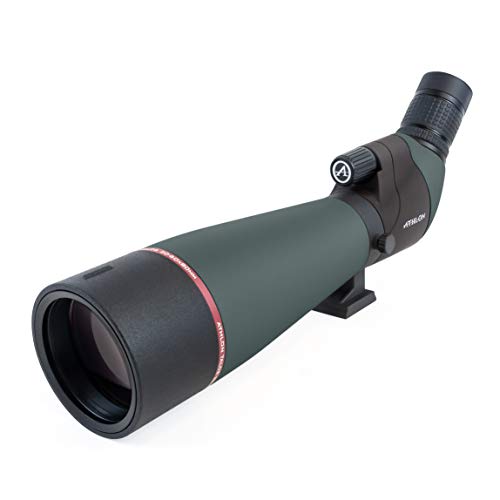
Athlon Optics Talos 20-60x80 Spotting Scope
Athlon Optics
Premium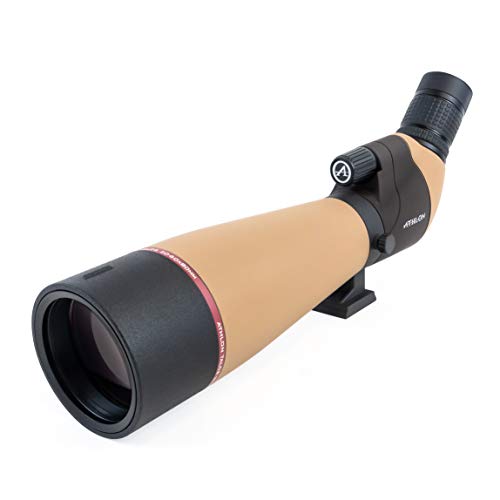
Athlon Optics Talos 20-60x80 Spotting Scope
Athlon Optics
Premium
25-75x60 spotting scope with tripod, low light vision
NWDEY
Mid-Range
Vortex Crossfire HD Spotting Scope
Vortex
Premium
Gosky 20-60x85 Spotting Scope with Tripod
Gosky
Premium
SVBONY SV28 Plus Spotting Scope with Tripod
SVBONY
Mid-Range
Gosky 20-60X80 HD spotting scope with tripod
Gosky
Premium
Gosky EagleView 85mm Spotting Scope with Smartphone Adapter
Gosky
Premium
SV28 Plus Spotting Scope with Tripod, Angled Viewer
SVBONY
Mid-Range
Gosky 20-60x80mm spotting scope with tripod
Gosky
Premium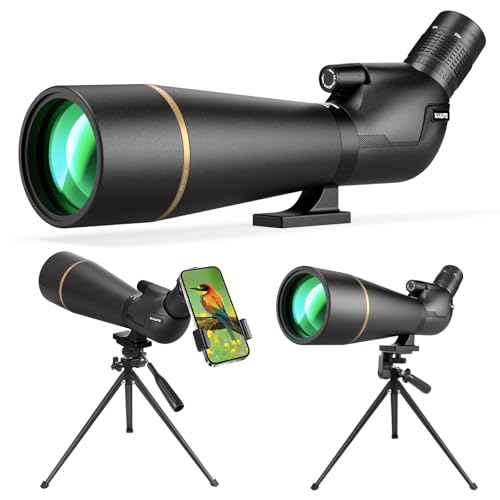
Spotting Scope 25-75x85 with Tripod & Case
Koolpte
Premium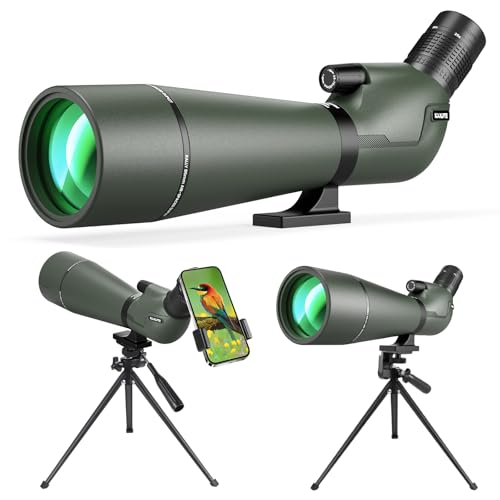
Spotting Scope 25-75x85 with accessories
Koolpte
Premium
25-75x80 HD Spotting Scope with Tripod
Nexiview
Premium
Gosky 20-60x80 Spotting Scope with Phone Adapter
Gosky
Premium
Bushnell Trophy Xtreme Spotting Scope
Bushnell
Premium
Vortex Crossfire HD Spotting Scope
Vortex
PremiumRoundups
Frequently Asked Questions
How do I choose the right magnification and objective lens size for a spotting scope?
Choose magnification based on use: 15–30x for general birdwatching and sports, higher power (30–60x) for long-distance detail but expect more shake and narrower field of view; pair it with a larger objective lens (50–80mm) to capture more light for better low‑light performance
What optical features should I look for to get clear images in different light conditions?
Look for fully multi-coated or multi-coated optics and a larger objective diameter to improve brightness and contrast; low-dispersion glass (ED) and quality prism types (roof or Porro) reduce chromatic aberration and improve sharpness, especially in variable lighting
Should I get a straight or angled spotting scope and what are the trade-offs?
Straight scopes are simpler and faster for quickly tracking moving subjects; angled scopes are more comfortable for extended viewing, multiple observers, and low-angle targets, but can be slightly more awkward for rapid target acquisition
What accessories are essential or helpful when buying a spotting scope?
A sturdy tripod and a quick-release tripod head are essential for stable high-magnification viewing; useful extras include a protective case, lens caps, a sunshade, and an eyepiece with variable zoom or interchangeable eyepieces for flexibility
How should I maintain and clean a spotting scope to preserve performance?
Keep dust and grit off optics with caps and a case, blow loose particles with a soft blower, and remove smudges with a microfiber cloth and lens cleaner designed for coated optics; avoid alcohol or household cleaners and store the scope dry and protected from extreme temperatures
What price range should I expect and how does price relate to performance?
Spotting scopes are commonly available from budget entry-level to higher-performance models; you can find basic usable scopes at lower prices, while scopes with better glass, coatings, and ruggedness typically cost more — evaluate optical quality, coatings, and build rather than price alone