Table Tennis Racquets
This category features table tennis racquets and paddles for recreational and competitive play, covering blades, rubbers, and ready-to-play sets. With 27 products indexed and an average rating of 4.58, prices run from about $33 to $100, and leading brands include Stiga and JOOLA
Top Products

PRO-SPIN Ping Pong Paddles – Carbon Fiber 7-Ply Blade with Premium Rubber
PRO-SPIN
Budget
PRO-SPIN Ping Pong Paddles - Carbon Fiber 7-Ply Blade
PRO-SPIN
Budget
STIGA table tennis set with 2 rackets and 3 balls
Stiga
Budget
PRO-SPIN Ping Pong Paddles - Carbon Fiber 7-Ply Blade
PRO-SPIN
Mid-Range
PRO SPIN Ping Pong Paddles - Carbon Fusion 7-Ply Blade (1-Pack, Red)
PRO SPIN
Budget
STIGA Pro Carbon table tennis racket with carbon tech
Stiga
Mid-Range
Senston Table Tennis Rackets Set – 4 Player Paddles
Senston
Mid-Range
STIGA Pro Carbon Table Tennis Racket - red/blue
Stiga
Mid-Range
STIGA Pure Color Advance Table Tennis Racket (Yellow)
STIGA
Mid-Range
JOOLA Advanced Premium Ping Pong Paddles Set
JOOLA
Mid-Range
STIGA Performance table tennis set with 4 paddles and 6 balls
Stiga
Mid-Range
STIGA Pure Color Advance table tennis racket (Yellow)
STIGA
Mid-Range
PRO-SPIN Ping Pong Paddles Set (4) with Carbon Fiber 7-ply Blade
PRO-SPIN
Premium
Stiga Pro Carbon table tennis racket
Stiga
Premium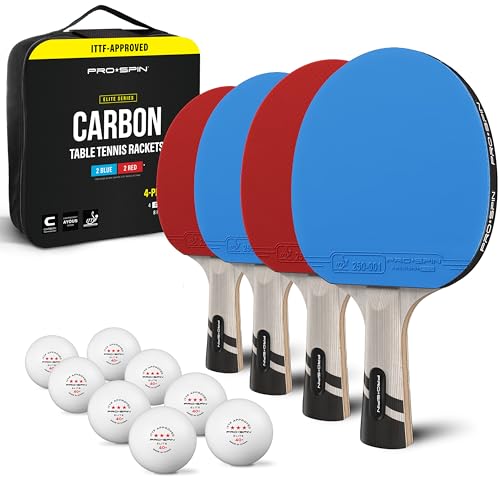
PRO SPIN Ping Pong Paddles - Carbon Fiber 7-Ply Controller Paddle
PRO SPIN
Premium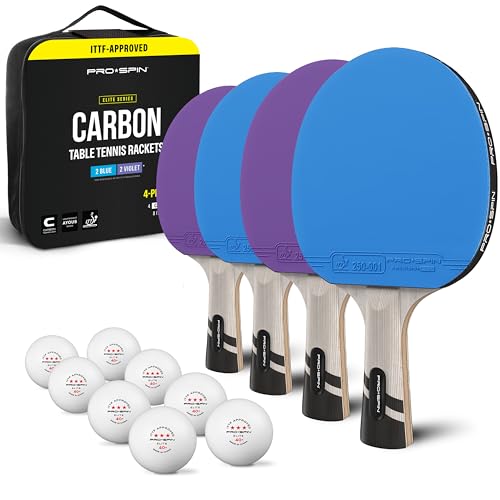
PRO SPIN Ping Pong Paddles – Carbon Fiber, 7-ply blade
PRO SPIN
Premium
HEAD Flash Padel/Pop Tennis Paddle Series
HEAD
Premium
JOOLA Infinity Edge ping pong paddle with carbon tech
JOOLA
Mid-Range
JOOLA Infinity Overdrive Ping Pong Paddle
JOOLA
Mid-Range
Palio Expert 3.0 Table Tennis Racket & Case
Expert Table Tennis
Mid-Range
JOOLA Infinity Edge Ping Pong Paddle - Carbon Pro Technology
JOOLA
Mid-Range
JOOLA Infinity Edge ping pong paddle with carbon tech
JOOLA
Mid-Range
Ping Pong Paddles Set of 4 with 8 balls and case
KINGFEEL
Mid-Range
Peace Maker ALC Ping Pong Paddle – Carbon Fiber Racket
AirBlades
PremiumRoundups
Frequently Asked Questions
How do I choose the right table tennis racquet for my skill level?
Beginners should look for all-round racquets with balanced control and moderate speed; intermediate players often prefer higher spin and speed with slightly harder rubbers; advanced players typically choose custom or high-performance blades and rubbers tuned for maximum spin and speed
What are the key features to compare between racquets?
Compare blade composition (wood layers or carbon for speed), rubber type and thickness (thicker for more speed and spin, thinner for control), handle shape (flared, straight, anatomical) and ITTF approval if you need tournament-legal equipment
Is it better to buy a pre-assembled (ready-to-play) racquet or build a custom one?
Ready-to-play racquets are convenient and consistent for beginners and casual players, while custom setups let intermediate and advanced players mix blades and rubbers to optimize speed, spin, and control to match their playing style
How much should I expect to spend on a quality table tennis racquet?
Entry-level ready-to-play racquets commonly fall under $50, mid-range custom components are typically in the $30–$150 range per blade or rubber, and high-performance competition gear can cost more; average prices in this category are around the mid-range
How do I care for and maintain my racquet to prolong its life?
Keep rubbers clean with a damp cloth or specialized cleaner after play, store racquets in a case away from heat and humidity, and replace rubbers when they lose tackiness or performance—usually every several months for frequent players
What rubber thickness and sponge type should I pick for more spin versus more control?
Thicker sponges (2.0 mm and above) and tacky or grippy topsheets generally increase spin and speed, while thinner rubbers and harder sponges provide greater control and consistency for defensive or placement-focused play
Do blade materials like carbon make a big difference?
Carbon layers increase stiffness and rebound, resulting in higher speed and a larger sweet spot, but they can reduce feel and control compared with all-wood blades, so choice depends on whether you prioritize power or touch