Tennis Balls
Tennis Balls in Sports & Outdoors includes pressurized and pressureless balls, multi-packs, and specialty practice or match options across budget through premium price tiers. The 43 indexed products average a 4.52 rating and feature brands like Penn and WILSON among others
Top Products

Penn Championship Regular Duty Tennis Balls
Penn
Mid-Range
QST 36 tennis balls for beginners (youth red felt) 12-pack
Penn
Budget
WILSON Championship Tennis Balls
WILSON
Premium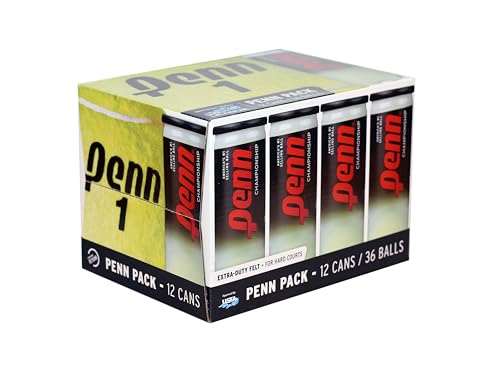
Penn Championship Extra Duty Tennis Balls (3-pack)
Penn
Mid-Range
Wilson Prime All Court Tennis Balls
WILSON
Premium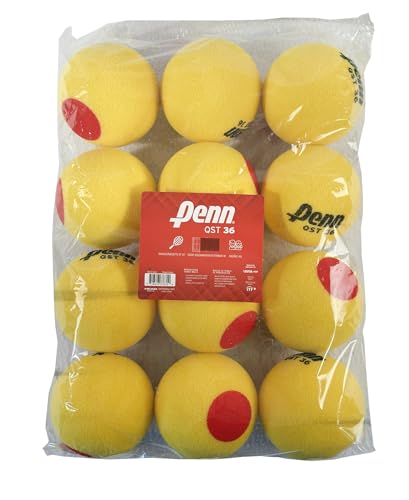
QST 36 Youth Foam Tennis Balls
Penn
Budget
Wilson Championship Tennis Balls
WILSON
Premium
Penn Championship Extra Duty Tennis Balls (pink) 100 years testing
Penn
Premium
Penn Championship Extra Duty Felt Pressurized Tennis Balls (15 Cans, 45 Balls)
Penn
Mid-Range
Penn Championship Regular Duty Tennis Balls
Penn
Premium
Teloon Championship Tennis Balls - Extra/Regular Duty
Teloon
Mid-Range
Low-compression tennis balls for beginners (20 pack)
SHYUJAJIE
Budget
Tourna Pressureless Tennis Balls (60 count) Yellow
Tourna
Mid-Range
24-pack kids tennis balls for training on short courts
Hanaive
Budget
12/18/24/30/40 pack low-compression tennis balls for beginners
MRYCZ FYRHD
Mid-Range
Egles Tennis Balls for Training and Dogs (12/20/60 Pack)
Egles
Mid-Range
Magicorange Tennis Balls 30 Pack – Training & Pet Play
Magicorange
Budget
Magicorange tennis balls 30-pack for training and play
Magicorange
Budget
Teloon Championship tennis balls - extra/regular duty
Teloon
Mid-Range
Penn High Altitude Tennis Balls 6 Pack (18 Balls) - USTA & ITF Approved
PENN
Budget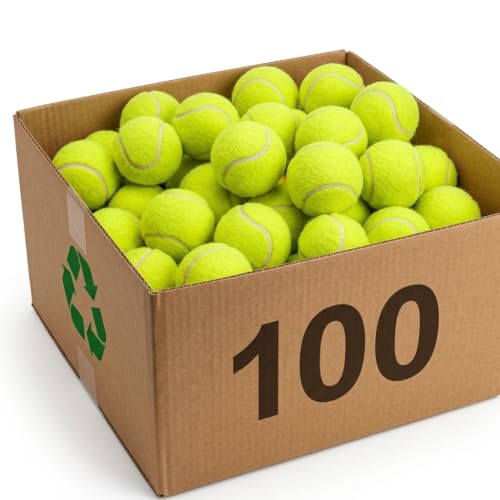
VIV bulk tennis balls for training and practice
VIV
Premium
Tourna Tennis Ball Tote (50 Balls)
Tourna
Mid-Range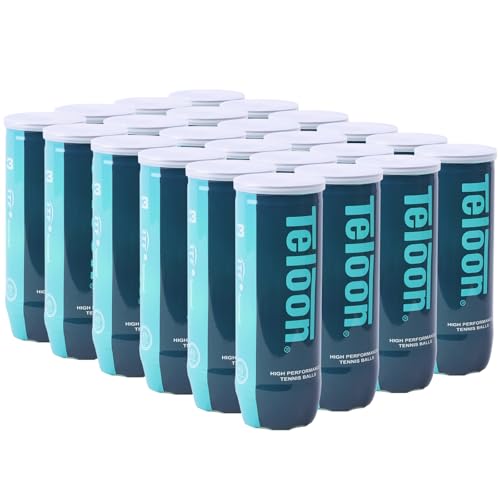
Teloon Championship Tennis Balls - Extra/Regular Duty
Teloon
Mid-Range
Kids tennis balls set for training with mesh bag
Egles
Mid-RangeRoundups
Frequently Asked Questions
How do I choose the right tennis balls for my playing level and court type?
Recreational players typically use standard pressure tennis balls for general play; beginners may prefer extra-durable or practice balls. Tournament and advanced players often choose competition-pressure balls certified by governing bodies for consistency. For court type, use regular pressurized balls on hard and clay courts; some balls are labeled for specific surfaces or designed for extended life on abrasive courts
What's the difference between pressurized and pressureless tennis balls?
Pressurized balls have an internal gas core for consistent bounce and feel but lose pressure and performance over weeks of use or if opened. Pressureless balls rely on a thicker rubber shell for bounce and tend to maintain playability longer, making them common for practice and ball machines though they feel heavier and can bounce differently than fresh pressurized balls
How many balls should I buy and what are typical price ranges?
Singles practice or casual play often uses a can of three balls; packages range from three-ball cans to dozen- or bulk packs for clubs and coaches. Prices vary by brand, pack size, and type; expect budget options under $50 for bulk recreational balls and the average across mid- to high-end multi-packs to be around recent market averages (roughly several dozen dollars for branded multi-packs)
How can I tell if a tennis ball is still good to play with?
Check bounce by dropping the ball from shoulder height; it should rebound to a predictable height compared with a new ball (manufacturer specs vary). Inspect felt for severe wear, bare patches, or splitting; flattened or soft-feeling balls indicate lost pressure. If performance feels inconsistent during serves or volleys, replace them
Are there specialty tennis balls I should consider (e.g., for practice, kids, or high-altitude play)?
Yes—pressure-reduced or low-compression balls are slower and designed for beginners and juniors, helping with timing and rallies. High-altitude balls are formulated to reduce excess bounce in thin air. Practice and coaching balls are often more durable and sold in bulk, while some balls are optimized for ball machines or specific court surfaces
How should I store tennis balls to preserve performance?
Store unopened cans in a cool, dry place away from direct sunlight and extreme temperatures; refrigerating is not necessary. Once opened, keep used balls in a sealed container if you want to slow pressure loss, and avoid leaving them in hot cars or damp conditions to prevent felt degradation
Do brand differences matter and which features should I compare?
Brand can indicate consistency, felt quality, and packaging, but prioritize features: pressurized vs pressureless, approved certification for competitive play, low-compression for beginners or juniors, and durability claims. Compare average user ratings and product descriptions for intended use (match, practice, high-altitude) rather than relying solely on brand name