Tennis Rackets
This category features tennis rackets for recreational and competitive play, spanning budget through premium options across various head sizes, weights, and string patterns. 153 products are indexed with an average rating of 4.63 and prices typically ranging from $33 to $299. Top brands include HEAD and WILSON among others
Top Products
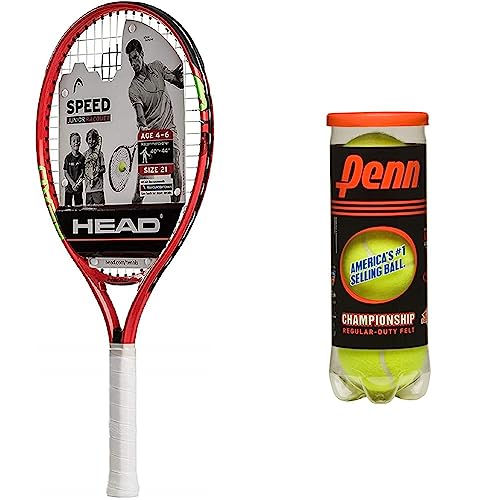
HEAD Speed Junior Tennis Racket (Kids)
HEAD
Budget
HEAD Speed Junior tennis racquet for kids
HEAD
Budget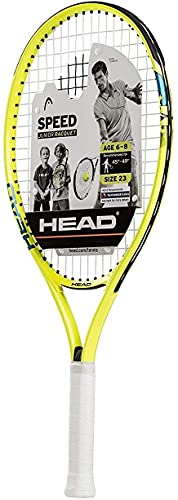
HEAD Speed Junior tennis racquet for beginners
HEAD
Budget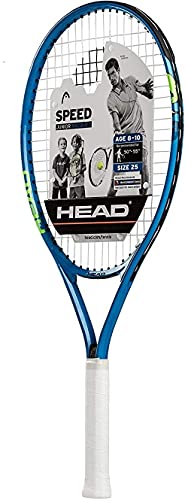
HEAD Speed Junior/Tennis Racquet for kids
HEAD
Budget
HEAD junior tennis racquet for beginners
HEAD
Mid-Range
HEAD Speed Junior tennis racket for beginners
HEAD
Mid-Range
HEAD Speed Junior tennis racquet (kids 19-25 inch)
HEAD
Mid-Range
HEAD Speed Junior Tennis Racket
HEAD
Mid-Range
HEAD Speed Kids Tennis Racquet (Ages 8+)
HEAD
Mid-Range
HEAD Speed Junior/Kids Tennis Racquet
HEAD
Mid-Range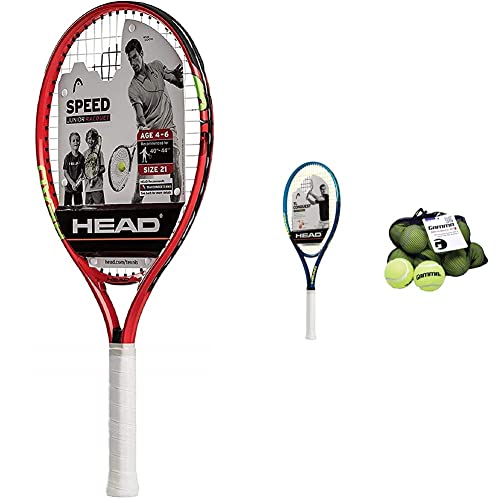
HEAD Speed Junior Tennis Racket
HEAD
Mid-Range
Wilson Tour Slam Recreational Tennis Racket - Grip 3 (4 3/8")
WILSON
Budget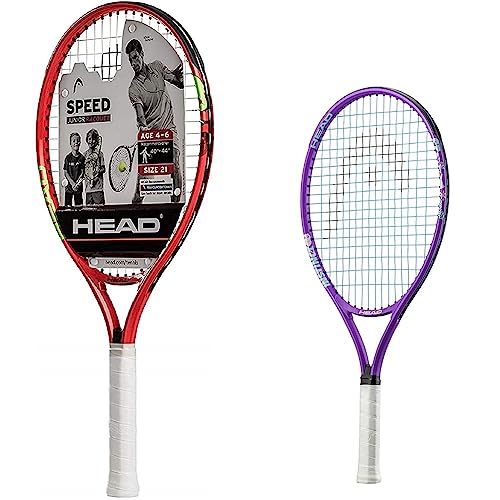
HEAD Speed Junior Tennis Racquet
HEAD
Mid-Range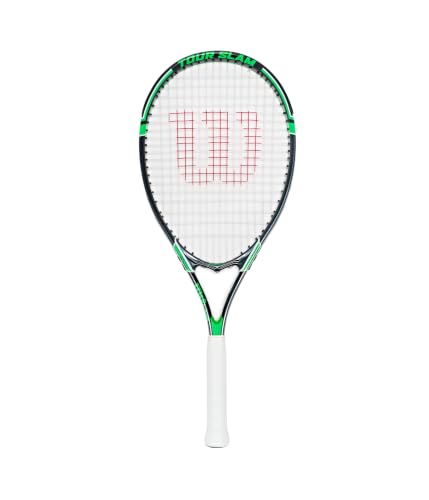
Wilson Tour Slam Recreational Tennis Racket (Adult, Grip 3, 4 3/8")
WILSON
Budget
Wilson Tour Slam Adult Tennis Racket (Grip 4 1/4, Pink/Grey)
WILSON
Mid-Range
Tennis Racket for Kids by Street Tennis Club
Street Tennis Club
Budget
Wilson Tour Slam Tennis Racket – Adult recreational grip 4
WILSON
Mid-Range
Head Instinct 23 Junior Tennis Racquet
HEAD
Budget
Wilson Tour Slam Tennis Racket for adults
WILSON
Mid-Range
Head Instinct 23 Pre-Strung Junior Tennis Racquet
HEAD
Budget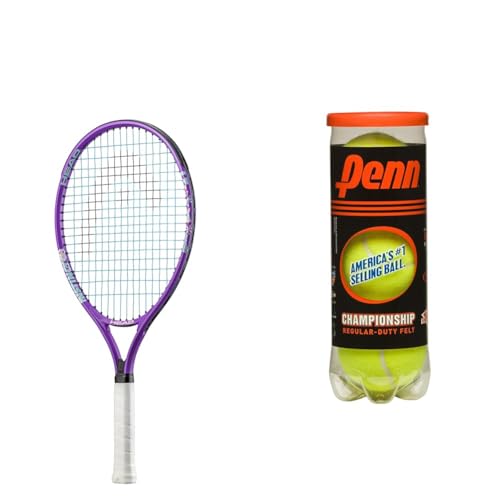
HEAD Instinct Kids 21in Jr Racket - Beginners, Light Balance
HEAD
Budget
HEAD Instinct Kids Ten NIS Racquet - 21" junior tennis racket
HEAD
Budget
HEAD Speed Junior/Kids Tennis Racquet
HEAD
Mid-Range
HEAD Speed Junior tennis racquet
HEAD
Mid-RangeRoundups
Frequently Asked Questions
How do I choose the right tennis racket for my skill level?
Beginners typically prefer larger head sizes (100+ sq in) and lighter rackets for more power and forgiveness, intermediate players often choose midplus heads (95–100 sq in) with balanced weight for control and spin, and advanced players usually select smaller head sizes and heavier, stiffer frames for precision and stability
What racket weight and balance should I look for?
Lighter rackets (under ~10.5 oz/300 g unstrung) are easier to maneuver and better for beginners or players who prioritize quick swings, while heavier rackets (over ~11.5 oz/325 g unstrung) offer more stability and power for advanced players; head-heavy balance adds power, head-light balance improves maneuverability and net play
How important is grip size and how do I measure it?
Grip size affects comfort and injury risk: measure by holding the racket and leaving about a finger-width of space between your palm and fingers, or measure from the tip of your ring finger to the crease at the base of your palm—common sizes range from 4 to 4 5/8 inches (size 0–5)
What string pattern and stiffness should I choose?
Open string patterns (fewer strings, e.g., 16x19) produce more spin and feel but may break strings faster; dense patterns (e.g., 18x20) increase durability and control. Pair a softer string and lower tension for comfort and power, and a stiffer string or higher tension for control and precision
What should I expect to pay for a tennis racket and are there budget options?
Racket prices vary widely, with budget options commonly found under $50 and midrange to performance frames typically ranging from around $50 to several hundred dollars; the category average price is in the moderate range, so set your budget based on how often you play and your performance needs
How do I care for and maintain my tennis racket?
Protect the frame by using a cover, avoid leaving the racket in extreme heat or cold, replace strings regularly based on play frequency (a common rule is once per playing week), and replace grips when they become slick or worn to maintain control and comfort
Should I demo a racket before buying and how can I do that?
Demoing is recommended if possible—many clubs, retailers, and coaching programs offer demo rackets to try on-court for feel, maneuverability, and comfort; when demoing, test serves, baseline shots, and volleys to assess control, power, and spin