Tennis Training Equipment
This category covers tennis training gear such as ball machines, rebound nets, swing trainers, and practice aids for drills and footwork. Products range from budget to mid-range options (about $35–$260, avg $91) and include brands like Hikeen and Penn; average customer rating is ~4.22
Top Products

Penn Championship Regular Duty Tennis Balls
Penn
Mid-Range
Chalkless Grip Enhancer for Dry, Mess-Free Grip Improvement
Chalkless
Budget
Premium Tennis Trainer Set with Rebounder & Carrying Cylinder
Ahari Unlimited
Mid-Range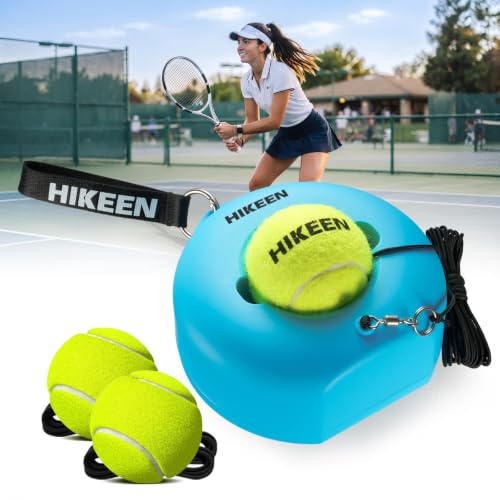
Hikeen Premium Tennis Trainer Rebound
Hikeen
Budget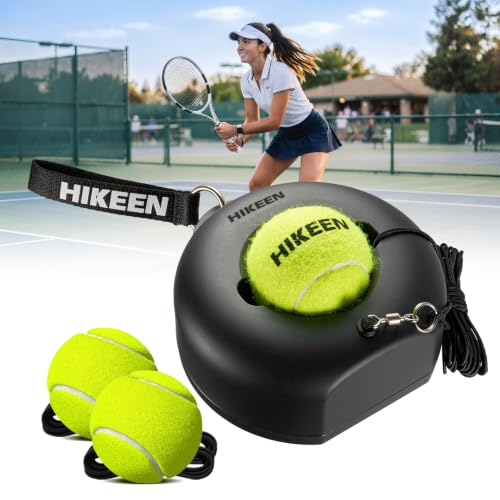
Hikeen Premium Tennis Trainer Rebound with Metal Base
Hikeen
Budget
Hikeen Tennis Trainer Rebound with Metal Base
Hikeen
Budget
Hikeen Premium Tennis Trainer Rebound with Metal Base
Hikeen
Budget
Tennis Practice Rebounder with 3 Replacement Balls
Tezewa
Mid-Range
Tennis Rebound Ball Set with Power Base and Drawstring Bag
Elite Trainer
Mid-Range
The Ultimate Tennis Training Aid to Master Topspin
TopspinPro
Premium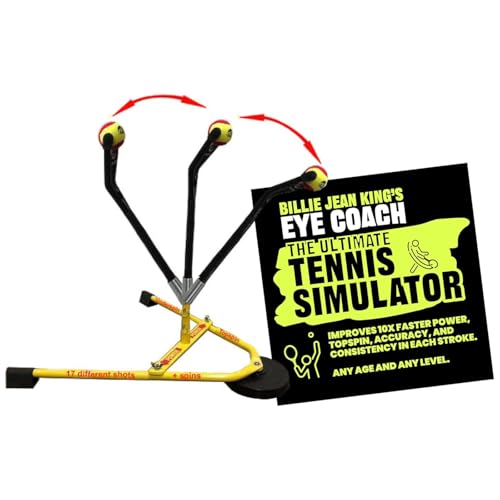
Eye Coach Tennis Training Aid
BILLIE JEAN KING'S Eye Coach
Premium
BILLIE JEAN KING'S Eye Coach Tennis Training Aid
BILLIE JEAN KING'S Eye Coach
Premium
Sports reaction agility lights training kit
Applied Vision Sports
PremiumRoundups
- Best Tennis Training Equipment for Solo Tennis Practice (2026)
- Best Tennis Training Equipment for Solo Tennis Practice At Home (2026)
- Best Tennis Training Equipment Under $200 (2026)
- Best Tennis Training Equipment Under $100 (2026)
- Best Tennis Training Equipment Under $50 (2026)
- Best Tennis Training Equipment (2026 Guide)
Frequently Asked Questions
How do I choose the right tennis training equipment for my skill level?
Begin by matching equipment to your current goals: beginners benefit from ball machines or rebound nets that build consistency, intermediate players use spin and target trainers to refine strokes, and advanced players use high-speed ball machines or resistance trainers for power and accuracy. Check adjustable difficulty settings and clear instructions so the tool grows with your skill level
What types of tennis training equipment should I consider for solo practice?
For solo practice consider ball machines, rebound nets or walls, ball feeders, and portably designed return trainers; these allow repetitive drills without a partner. Also look at portable sensors or target systems to track accuracy and stroke mechanics
What are the key features to look for when comparing ball machines and rebound trainers?
Key features include adjustability of speed and spin, oscillation or targeting options, power source (battery vs AC), portability and weight, and durability of construction. For rebound trainers, check return angle variability and frame stability
How much should I expect to spend on tennis training equipment?
Prices vary widely: basic rebound nets and portable targets can be found under $50, mid-range items like quality ball machines or sensor kits often fall in the $100–$500 range, while high-end commercial ball machines and advanced electronic trainers cost more. The category average price is around $80–$100 for typical consumer products
Are there space or surface requirements for using tennis training gear at home?
Yes—ball machines and large rebound systems need several meters of clear space and a flat, hard surface for consistent bounces; backyard nets and portable targets work in smaller areas but require unobstructed swing clearance. Always check product dimensions and recommended operating area before purchase
How durable are typical tennis training products and what maintenance do they need?
Durability depends on build materials—steel frames and UV-resistant fabrics last longer; electronic components require dry storage. Routine maintenance includes checking fasteners, cleaning nets and surfaces, protecting batteries and motors from moisture, and following manufacturer care guidelines
Can training sensors or smart systems accurately track my progress?
Many sensor-based systems measure metrics like stroke count, ball speed, spin, and shot placement with reasonable accuracy for practice purposes, but results vary by sensor quality and placement. Use them for trend tracking and drills rather than as definitive lab-grade measurements