Trolling Boat Motors
Trolling boat motors for small to medium watercraft, including electric and transom-mounted models for slow, steady propulsion and maneuvering. This niche spans budget through mid-range options (avg price ~(price varies)) and includes brands like Newport Vessels among 23 indexed products with an average rating of 4.52
Top Products

Marinco 12VBRS3 70A 3-Wire Trolling Motor Receptacle
Marinco
Budget
Marinco 70A trolling motor plug & receptacle
Marinco
Mid-Range
Minn Kota battery box power center with meter and 12V plugs
Minn Kota
Mid-Range
Trolling motor plug and receptacle set, 50A, 8awg, IP67
NOVINO
Mid-Range
Trolling motor plug & receptacle set 50A 8 AWG 12V-48V
NOVINO
Mid-Range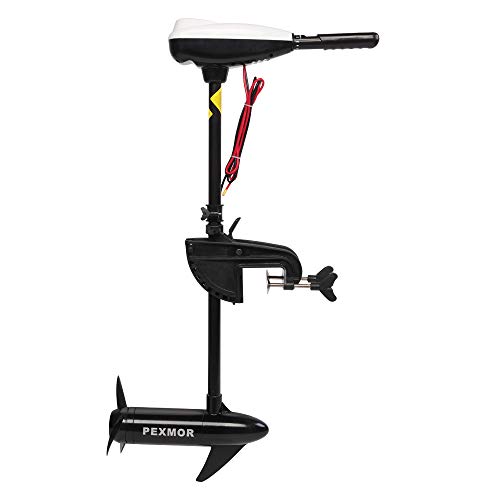
PEXMOR 8 Speed Electric Trolling Motor w/ Adjustable Handle
PEXMOR
Premium
8-speed electric trolling motor with adjustable handle
PEXMOR
Premium
MKR-28 Trolling Motor Plug & Receptacle for Minn Kota & MotorGuide
E-cowlboy
Mid-Range
Minn Kota Replacement Transmitter
Minn Kota
Mid-Range
MKR-28 Trolling Motor Plug and Receptacle (12-48V) for Minn Kota
sixcow
Mid-Range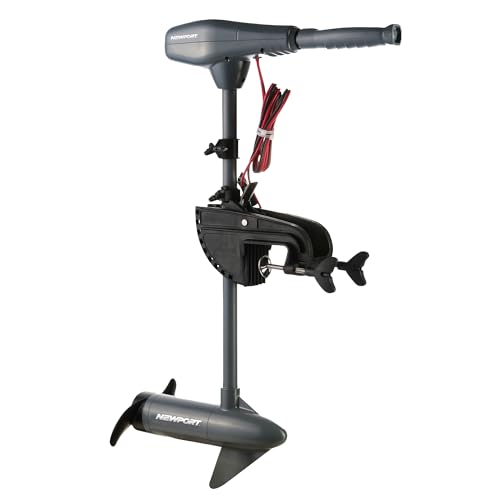
Newport Vessels Kayak Transom Electric Trolling Motor
Newport Vessels
Premium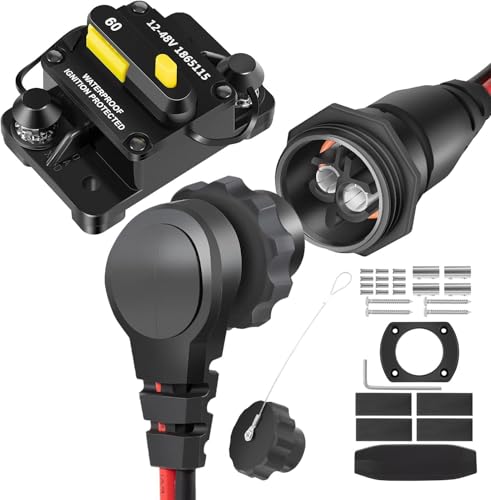
MKR-28 trolling motor plug & receptacle with MKR-27 breaker
sixcow
Mid-Range
SUNAPEX Smart Battery Box 12V/24V Power Center
SUNAPEX
Mid-Range
Newport Vessels NV-Series Thrust Saltwater Transom Trolling Motor
Newport Vessels
Premium
Newport Vessels 46lb thrust electric trolling motor with LED battery indicator
Newport Vessels
Premium
SUNAPEX Smart Battery Box 12V/24V Power Center
SUNAPEX
Premium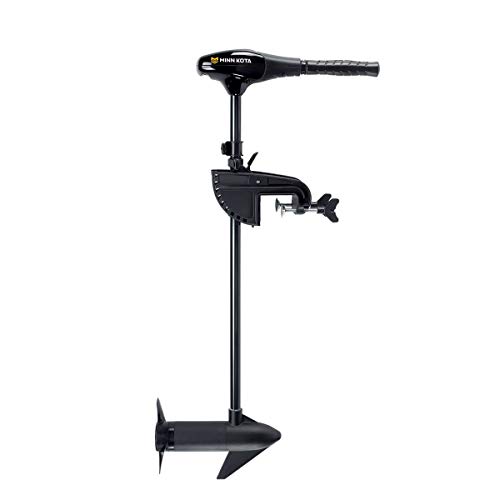
Minn Kota Endura C2 transom-mount electric trolling motor, 30 lb thrust, 30 in shaft
Minn Kota
Premium
Newport Vessels 86Lb Thrust Trolling Motor with LED Battery Indicator
Newport Vessels
Premium
Newport Vessels Kayak Trolling Motor 55lb 24" Shaft
Newport Vessels
Premium
Newport NV-Series 62lb Thrust Transom Trolling Motor
Newport
Premium
Minn Kota Endura C2 Transom-Mount Trolling Motor 40 Lb Thrust, 36 in Shaft
Minn Kota
Premium
Newport Vessels Kayak Trolling Motor + Deep Cycle Battery
Newport Vessels
Premium
8 Speed Electric Trolling Motor with Adjustable Handle
PEXMOR
PremiumRoundups
Frequently Asked Questions
How do I choose the right thrust and shaft length for a trolling motor?
Match thrust to boat size and load: small jon boats and canoes often need 30–55 lb thrust, medium boats 55–80 lb, and larger or heavier boats 80+ lb; choose a shaft length so the propeller sits about 12–24 inches below the waterline when the boat is loaded and sitting level
What are the differences between freshwater and saltwater trolling motors?
Saltwater models use corrosion-resistant materials and sealed components to withstand salt, while freshwater models have less corrosion protection; if you’ll operate in salt or brackish water, choose a motor rated for saltwater
How important is motor mounting style (bow, transom, or i-Pilot) when selecting a trolling motor?
Mounting affects control and boat use: bow mounts offer precise steering for casting and anchoring, transom mounts are simpler and cheaper for smaller boats, and integrated electronic-steering systems provide remote control and autopilot features but require compatible boat layout and power
What power source and battery capacity do I need for reliable run time?
Trolling motors typically run on deep-cycle marine batteries; estimate amp draw from motor horsepower/thrust and expected hours—common setups use one 12V battery for short trips, dual 12V batteries or a 24V system for longer run times, and higher-voltage systems reduce current draw and improve efficiency
Which propeller and maintenance practices maximize performance and longevity?
Choose a propeller sized and pitched for your motor and boat load, carry a spare for damage; routine maintenance includes rinsing after salt exposure, inspecting for bent blades and debris, checking wiring and mounts, and following manufacturer service intervals
What features should I prioritize if I want quiet, precise control for fishing?
Prioritize variable-speed control, low-RPM or specially designed quiet motors, a bow-mount setup or electronic steering for precise positioning, and a reliable foot or remote control option to minimize disturbance while fishing
How do weight and portability affect my motor choice?
Consider motor weight relative to boat capacity and how often you'll install or carry it: lighter transom motors are easier to handle and store, while heavier bow-mount or high-thrust motors may require permanent installation and more robust mounting hardware