Abrasive Finishing Compounds
Abrasive finishing compounds for metal and woodworking applications, including pastes, polishing compounds, and abrasive bars used to deburr, polish, and refine surfaces. Catalog averages around $45 with prices from $33–$80 and features brands like TechDiamondTools among 10 indexed products
Top Products

Polly Plastics Rock Tumbler Grit & Polish Refills
Polly Plastics
Budget
TechDiamondTools Diamond Polishing Kit (3x 5g syringes) 4000/8000/50000 grit
TechDiamondTools
Budget
USG Durabond 45 Min Joint Compound Powder 25lb
USG Interiors
Budget
TechDiamondTools Diamond Polishing Kit (3x5g) 1500/3000/5000 Grit
TechDiamondTools
Budget
Rosenthal Collection Simichrome Metal Polish Compound 250g with Cloth
Rosenthal Collection
Budget
SCOTTCHEN Buffing Polishing Compounds Kit
SCOTTCHEN
Mid-Range
Dap glazing compound for wood, metal and sash
Dap
Mid-Range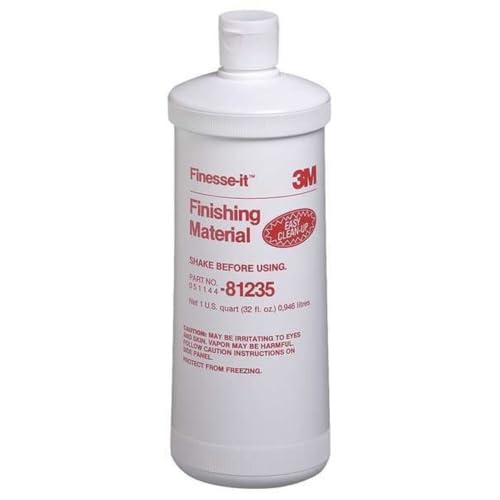
3M Finesse-it Polish finish material, 1 L
3M
Mid-Range
Red Devil glazing compound 10.1 oz
Red Devil
Mid-Range
JAX Iron, Steel & Nickel Blackener - Metal Finishing Solution
JAX
Mid-RangeRoundups
Frequently Asked Questions
How do I choose the right abrasive finishing compound for my project?
Match the compound's grit or abrasive type to the material and desired finish—coarse grits or cutting compounds for heavy stock removal, medium for smoothing, and fine/polishing compounds for final shine. Consider the carrier (paste, bar, liquid) for application method and check compatibility with the substrate (metal, plastic, wood)
What are common abrasive compound types and when should I use them?
Common types include cutting compounds (coarse abrasives for rapid material removal), smoothing compounds (medium abrasives to refine scratches), and polishing/buffing compounds (fine abrasives or jewelers' rouge for gloss). Use a progression from coarse to fine to avoid swirl marks and achieve a uniform finish
How do I estimate how much abrasive compound I need and what budget to expect?
Small hobby or touch-up jobs often need a single bar or tube; larger shop or frequent use may require multiple tubes or bulk containers. Prices for abrasive finishing compounds typically fall into budget options under $50, with specialty or bulk products costing more
What safety and surface-preparation steps should I follow before using a finishing compound?
Wear appropriate PPE (gloves, eye protection, dust mask) and ensure the workpiece is clean, dry, and free of grease or large contaminants. Test the compound on an inconspicuous area and follow manufacturer guidance for speed, pad type, and dwell time to avoid heat damage or burns
Can different compounds or pads be mixed, and how do I avoid cross-contamination?
You can use different compounds sequentially (coarse to fine), but avoid applying a finer compound with a pad contaminated by a coarser abrasive. Designate pads for specific compound types or thoroughly clean/preserve pads to prevent grit carryover that could scratch the surface
How do I store and care for abrasive finishing compounds to maximize shelf life?
Store compounds in a cool, dry place with lids or caps sealed to prevent drying or contamination; keep bars in original wrap or a clean container. Avoid extreme temperatures and separate incompatible chemicals to maintain performance
What pad, wheel, or tool choices affect the performance of a finishing compound?
Pad material (foam, wool, cotton), density, and hardness influence cut and finish—coarser/wool pads remove material faster, softer/finely textured foam pads produce better gloss. Match pad type and machine speed to the compound's intended use and the workpiece material for optimal results