Abrasive Wheel Brushes
Abrasive wheel brushes for grinders and bench tools used in deburring, surface prep, rust removal, and polishing across metalworking and fabrication. Nineteen products indexed with an average rating of 4.39 and mid-range pricing (roughly $34–$75), featuring brands like Rocaris among others
Top Products

12-pack 4 inch wire wheels for angle grinder with 5/8" arbor
WENORA
Budget
12 Pack Wire Brushes for Angle Grinder, 4 Inch Wheel, 5/8 Arbor
WENORA
Budget
10" x 1" x 2" crimped wire wheel, 014 carbon steel
Mercer Industries
Budget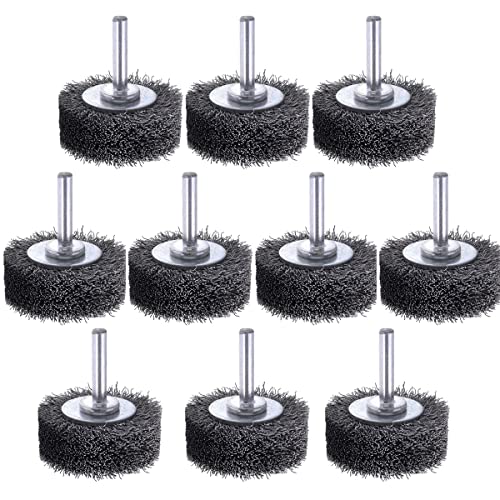
2 Inch wire wheel brush set for drill, Rocaris, 10 pack, 0.0118" carbon steel
Rocaris
Mid-Range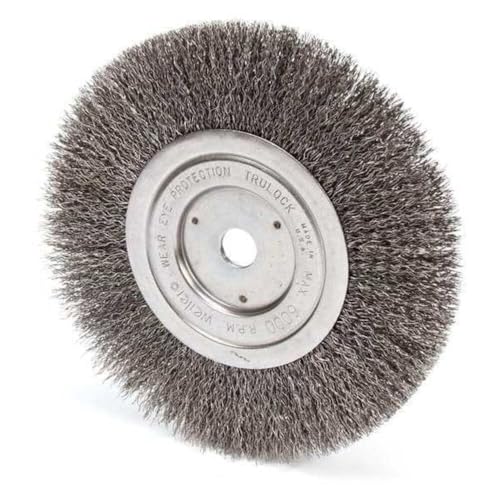
Weiler 7" Wolverine Bench Grinder Wheel with 0.014" wire fill
Weiler
Mid-Range
Rocaris 28 Pack Wire Wheel Brush Set with 1/4" Shank
Rocaris
Budget
Aain 10 pcs 4" twist knotted wire wheel brushes 5/8"-11 arbor
Aain
Mid-Range
Weiler 7in Wide Face Bench Grinder Wheel
Weiler
Mid-Range
Weiler 6" Wolverine Bench Grinder Wheel
Weiler
Mid-Range
6 Pack Drill Wire Brushes, 3-Inch, 1/4-In Shank, 20,000 RPM
phntake
Mid-Range
2 inch wire wheel brush set for drill, 10-pack, 0.012" stainless wire, 1/4" shank, 20,000 RPM
Baisiky
Budget
Rocaris 300 Pack Wire Brush Set for Rotary Tool
Rocaris
Mid-Range
PFERD Crimped Wheel Brush, Brass Wire, 4" dia, 5/8-11 thread
PFERD
Mid-Range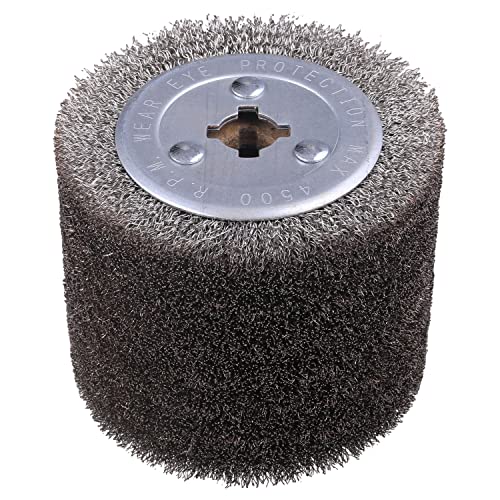
Stainless Steel Wire Brush Drum for Metal Surface Polishing (4.7" x 4")
Shitime
Mid-Range
Wire Wheel Set for Angle Grinder, 14-Piece Coarse/Curl & Knotted Cup Brushes
JAKIRRAMY
Budget
Radial Bristle Brush, 6" Dia, 80 Grit, Type C Curved Bristles
Pro-Graad
Mid-Range
6inch Bench Wire Wheel Brush Set (12) by Eco Walker
Eco Walker
Mid-Range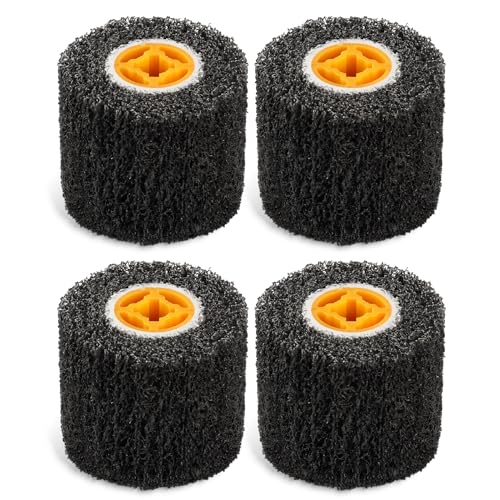
Rocaris 4 Pack Abrasive Drum Wheel for Wood Metal Polishing
Rocaris
Mid-Range
Benchmark 6" Wire Wheel with 5/8-11 Thread for Weld Cleaning
Benchmark Abrasives
Mid-RangeRoundups
- Best Abrasive Wheel Brushes for Surface Prep (2026)
- Best Abrasive Wheel Brushes for Rust Removal On Metal Surfaces (2026)
- Best Abrasive Wheel Brushes for Deburring (2026)
- Best Abrasive Wheel Brushes Under $200 (2026)
- Best Abrasive Wheel Brushes Under $100 (2026)
- Best Abrasive Wheel Brushes Under $50 (2026)
- Best Abrasive Wheel Brushes (2026 Guide)
Frequently Asked Questions
How do I choose the right abrasive wheel brush for my tool and material?
Match brush arbor size and maximum RPM to your tool, choose wire type (carbon steel for heavy rust/scale, stainless for corrosion-resistant surfaces), and select brush shape and grit/abrasive for the task — cup or wire wheel for heavy cleaning, abrasive nylon or flap brushes for finishing and delicate surfaces
What are the common brush materials and when should I use each?
Carbon steel or high-carbon wire is best for aggressive material removal and rust/paint removal; stainless steel wire is used where contamination or corrosion resistance matters; non-woven abrasive nylon is for light deburring, blending, and finishing without changing part geometry
Are there compatibility or safety concerns I should check before buying?
Confirm arbor hole diameter and flange style match your grinder or drill, ensure brush maximum RPM exceeds your tool’s speed rating, wear eye, face, and hand protection, and avoid using wire brushes on brittle materials or on tools exceeding brush RPM limits to prevent breakage
How long do abrasive wheel brushes typically last and what affects their lifespan?
Lifespan depends on wire/abrasive type, application aggressiveness, pressure and speed used, and workpiece material; heavier, high-pressure use on hard surfaces shortens life, while light finishing tasks and proper operating speeds extend it
How should I maintain and store abrasive wheel brushes to keep them effective?
Store brushes dry and in a clean area to prevent corrosion or contamination, remove debris from bristles after use, avoid excessive side pressure during use that deforms bristles, and replace brushes showing wire breakage, severe wear, or imbalance
What brush shapes and sizes are best for different tasks?
Cup and end brushes provide broad surface contact for cleaning and surface prep; wheel or flat disc brushes are good for edge and flat surface work; twist knot or pencil brushes access tight spots and seams—choose diameter and trim length to reach and cover the area safely
How does abrasive grit or density affect performance?
Coarser/denser wire or abrasive grains remove material faster but leave rougher finishes; finer or lower-density abrasives remove less material and produce smoother surfaces, so pick coarseness according to how much material you need to remove versus the desired finish