Air Powered Sanders
Air powered sanders in Tools & Industrial cover pneumatic orbital, palm and die grinders for sanding and surface prep, typically priced from $34 to $70 with an average around $49. Ten products are indexed with an average rating of 4.48; notable brands include Gedu
Top Products

5 inch Air Random Orbital Sander kit
UPWOOD
Budget
Low noise 5/6 Inch DA Sander for Auto Body, lightweight pneumatic random orbital
RYCUBRE
Budget
Professional air random orbital palm sander, dual action pneumatic
Gedu
Mid-Range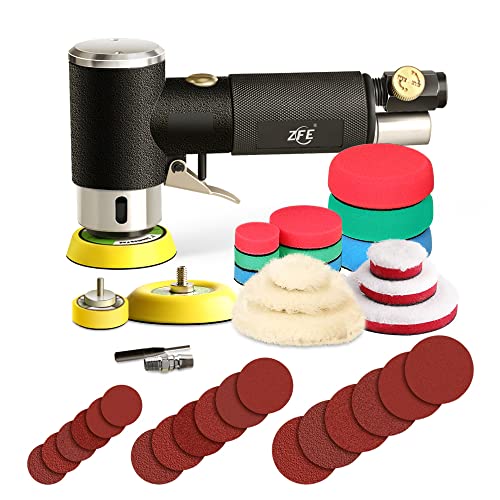
1/2/3 Inch Random Orbital Air Sander for Auto Body
ZFE
Mid-Range
6 Inch Pneumatic Sander Kit with Accessories
RYCUBRE
Mid-Range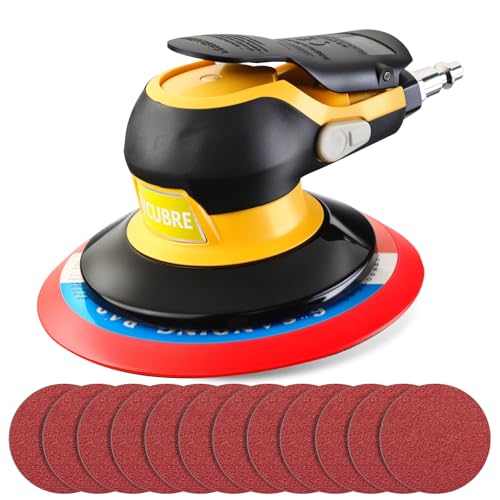
Low noise 6 inch DA Sander for auto body, lightweight air random orbital sander
RYCUBRE
Budget
Professional air random orbital palm sander, dual action pneumatic
Gedu
Mid-Range
Professional 6 in. Air Sander – Dual Action, Low Vibration
Gedu
Mid-Range
Professional 6-inch dual-action pneumatic sander ( Gedu )
Gedu
Mid-Range
5 Inch Pneumatic Da Sander Kit with Accessories
RYCUBRE
BudgetRoundups
- Best Air Powered Sanders for Auto Body Prep (2026)
- Best Air Powered Sanders for Paint Prep (2026)
- Best Air Powered Sanders for Auto Body Sanding (2026)
- Best Air Powered Sanders Under $200 (2026)
- Best Air Powered Sanders Under $100 (2026)
- Best Air Powered Sanders Under $50 (2026)
- Best Air Powered Sanders (2026 Guide)
Frequently Asked Questions
How do I choose the right air powered sander for my project?
Select by sanding type (orbital, random orbital, belt), pad size, and RPM/air consumption to match the material and finish you need; consider ergonomics, weight, and compatibility with common grit sizes and backing pads
What air compressor specifications should I use with an air sander?
Match the sander's required air pressure (PSI) and free air delivery (CFM) — most small to mid-size sanders need 60–90 PSI and 3–10 CFM; ensure your compressor and hose diameter can supply continuous flow without pressure drop
Are there important durability or quality features to look for?
Look for metal housings or reinforced composites, sealed bearings, replaceable pads, and a reputation for reliable speed control and balanced operation to reduce vibration and extend tool life
How do I maintain an air powered sander to prolong its lifespan?
Regularly lubricate the air motor with a few drops of pneumatic tool oil, keep the inlet filter clean, drain compressor moisture, replace worn pads/abrasives, and store in a dry place to prevent rust and contamination
What safety gear and practices are recommended when using an air sander?
Wear eye protection, a dust mask or respirator, hearing protection, and gloves as needed; secure the workpiece, avoid loose clothing, and follow proper ventilation and dust-collection practices to reduce inhalation hazards
How does price typically relate to performance for air sanders?
Lower-cost models often meet light DIY needs and cost under $50, while more expensive units tend to offer higher build quality, longer life, better balance, and higher CFM/PSI ratings suitable for frequent or professional use
Can I use the same abrasives and backing pads across different air sander types?
Some abrasives and hook-and-loop backing pads are interchangeable among orbital and random orbital sanders if pad diameter and attachment system match, but belt sanders use distinct belt sizes and tensioning systems