Aluminum Rods
Aluminum Rods in Tools & Industrial covers straight and threaded rods, bars, and supports used for fabrication, framing, and DIY projects. Ten indexed products average a 4.49 rating and mid-range pricing (about $34–$76, avg $47); top brands include VEVOR
Top Products

Aluminum Grade Rod with Carrying Case, 9 ft
GEOLENI
Mid-Range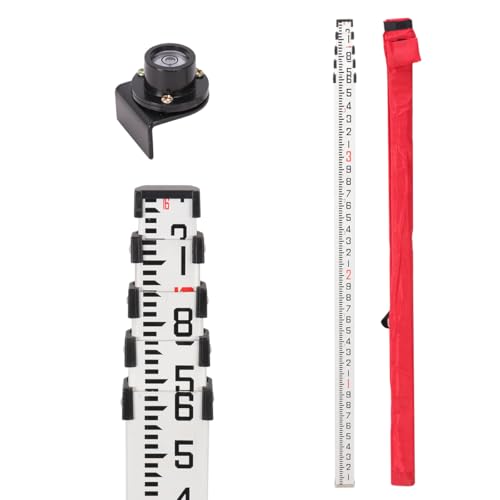
Aluminum Grade Rod with Carrying Case and Rod Level (16 ft)
GEOLENI
Mid-Range
VEVOR Telescopic Aluminum Measuring Rod, 4 Sections, Double-Sided Scale
VEVOR
Budget
Firecore 16-ft Telescoping Aluminum Rod with Bubble Level
Firecore
Mid-Range
Huepar 16-ft Aluminum Grade Rod with bubble level
Huepar
Mid-Range
VEVOR Aluminum Telescopic Measuring Rod, 16 ft with Bubble Level
VEVOR
Budget
VEVOR Telescopic Measuring Rod with Bubble Level, 3-Section Aluminum
VEVOR
Budget
Aluminum Telescoping Measuring Rod with Dual-Sided Scale
VEVOR
Mid-Range
VEVOR Aluminum Grade Telescoping Measuring Rod
VEVOR
Mid-Range
VEVOR 20-ft Telescopic Aluminum Measuring Rod with Dual-Sided Scale
VEVOR
Mid-RangeRoundups
Frequently Asked Questions
How do I choose the right diameter and length of an aluminum rod for my project?
Select diameter and length based on the mechanical needs: larger diameters increase stiffness and load capacity while longer lengths reduce buckling resistance. Match dimensions to the application tolerances and fittings (e.g., bore sizes or collars) and consider trimming length or ordering slightly oversize for machining
Which aluminum alloy should I pick for strength versus machinability or corrosion resistance?
Common alloys include 6061 (good strength, weldability, and machinability) and 7075 (higher strength but harder to machine and less corrosion-resistant); 5052 and 6063 offer better corrosion resistance and formability. Choose based on whether priority is strength, welding/forming, or exposure to corrosive environments
What surface finish options are available and when do they matter?
Finishes include mill (raw), anodized (increased wear and corrosion resistance, color options), polished, and bead-blasted. Surface finish matters for appearance, wear resistance, electrical insulation, and resistance to oxidation in outdoor or marine settings
How should I store and care for aluminum rods to prevent damage or corrosion?
Store rods on a flat, dry surface or rack to prevent bending and keep them off bare ground; avoid contact with dissimilar metals that can cause galvanic corrosion and wipe off contaminants. For long-term storage, keep in climate-controlled, low-humidity conditions or use protective coatings like anodizing or oil if appropriate
What tolerances and straightness should I expect for general-purpose aluminum rods?
General-purpose rods typically have machining tolerances in the thousandths of an inch and straightness suitable for light to moderate applications; precision ground or turned rods offer tighter diameter and straightness tolerances. Check supplier specifications for roundness, diameter tolerance, and straightness before critical applications
Are aluminum rods safe to weld, and what processes work best?
Many aluminum alloys like 6061 are weldable using TIG or MIG processes; some high-strength alloys (e.g., 7075) are difficult to weld and may require specialized techniques. Use proper cleaning, filler material matched to alloy, and post-weld heat treatment if required by the alloy
What price range can I expect for aluminum rods and how should I budget?
Prices vary by alloy, diameter, length, and finish; shoppers commonly find budget options under $50 for small-diameter stock and higher-cost precision or specialty alloys in higher ranges. Factor in machining, finishing, and shipping when budgeting for a project