Anatomical Models
Anatomical Models in Tools & Industrial include durable teaching and reference models of human anatomy—skeletons, organs, and sectional displays—used for education, medical training, and demonstration. Seventeen products are indexed, averaging a 4.43 rating and a price range of $33–$400, with brands like breesky represented among mid-range and professional options
Top Products

Life-size human skull model, 3-part removable calvaria, mandible
Medarchitect
Budget
Life-Size Brain Anatomical Model, color-coded, 2 parts
QWORK
Budget
Human Body Muscle & Fat Replica 1lb with Display Base
Skillssist
Mid-Range
2x Enlarged 4-Part Heart Model with 49 Structures
Ruiishunyy
Mid-Range
Female Pelvis Model with Pelvic Floor Muscles
Benilev
Mid-Range
Phlebotomy Practice Arm Kit with Online Learning
The Apprentice Doctor
Mid-Range
SimCoach Phlebotomy Practice Kit for IV Training, phlebotomy arm
SimCoach
Mid-Range
Disarticulated human skeleton model, life-size anatomy study
Houseables
Premium
Human Skeleton Anatomy Model with Stand, 33.5 in, movable limbs
TakeTex
Mid-Range
Life Size Spine Model with Vertebral Column, Nerves & Muscles
breesky
Mid-Range
Movable Female Pelvis Model with Elastic Movable Femur Heads
Merinden
Mid-Range
Axis Scientific life-size human skeleton model with 206 bones
Axis Scientific
Premium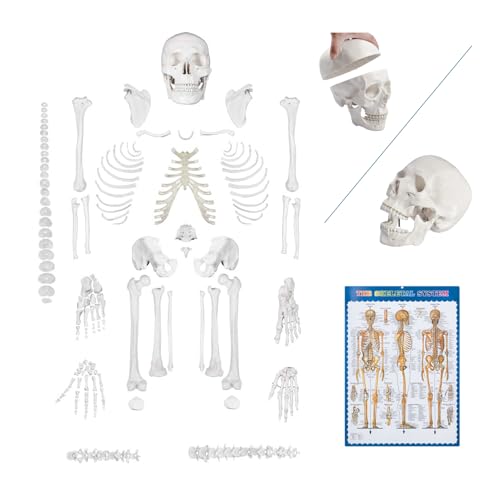
Disarticulated human skeleton model with 3-part skull
breesky
Premium
Breysky life-size human skeleton with ligaments and nervous system
breesky
Premium
Life-Size Posable Skeleton with Nervous System & Carotid Artery (70.8")
JVVMNJLK
Premium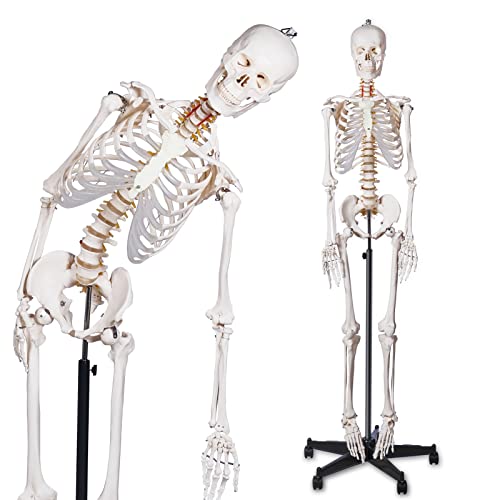
Breeksy 70.8-inch flexible human skeleton model with nervous system
breesky
Premium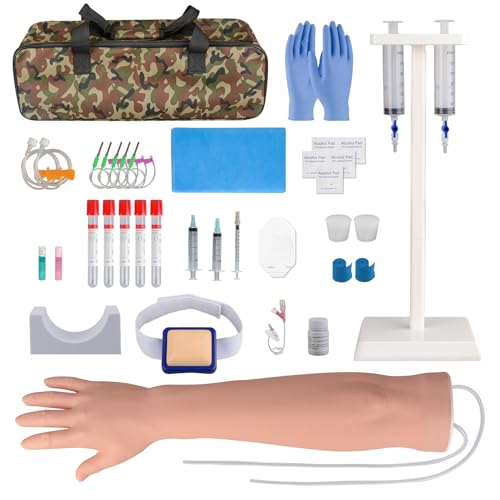
SimCoach phlebotomy practice kit for injection training
SimCoach
Mid-RangeRoundups
Frequently Asked Questions
How do I choose the right anatomical model for my needs?
Choose by intended use: full-size or torso models for classroom demonstration, handheld or sectional models for individual study, and labeled or color-coded models for quick identification; also consider material (PVC for durability, soft silicone for realistic texture) and level of detail (basic organ shapes vs. removable, dissectible parts)
What should I expect to pay for anatomical models in the Tools & Industrial category?
Prices vary with size, detail, and material; budget models can be found under $50, many mid-range educational models fall between $50 and $250, and highly detailed or full-size professional models can cost several hundred dollars; the category average price is around $125
How accurate and detailed are these models for study or training?
Accuracy ranges from simplified, schematic models for basic instruction to anatomically detailed models with removable organs and labeled structures suitable for advanced study; check product descriptions for scale accuracy, number of parts, and whether features like vascular or nervous systems are included
What materials are commonly used and how do they affect durability and realism?
Common materials include rigid PVC (durable, easy to clean), softer PVC or silicone (more realistic texture), and painted finishes for visual clarity; rigid plastics last longer in heavy-use settings while silicone offers more lifelike feel but can be pricier and require gentler handling
How should I clean and maintain an anatomical model?
Clean with a mild detergent and water or manufacturer-recommended cleaning solution, avoid harsh solvents or abrasive cleaners, store away from direct sunlight and extreme temperatures, and handle removable parts carefully to prevent snapping or wear on connectors
Are replacement parts or repair options available for anatomical models?
Many manufacturers sell replacement parts such as organs, stands, or connectors; check product listings or contact the brand for spare parts and repair guidance, and consider models with modular components to simplify future replacements
What features should I look for if I need a model for hands-on dissections or demonstrations?
Look for models with removable organs or sections, clear labeling or numbered parts with a corresponding key, sturdy mounting stands, and materials that withstand repeated handling; if tactile realism is important, choose models with softer textures or layered components