Bar Clamps
Bar clamps for woodworking and metalworking range from compact quick-release bars to heavy-duty parallel and pipe-style clamps, suited for gluing, assembly, and holding fixtures. The 60 indexed products average 4.63 stars and span budget through mid-range prices (about $33–$175), with brands like Jorgensen, IRWIN, and BESSEY commonly represented
Top Products

IRWIN One-Handed Mini Bar Clamp 12" (2 pack)
IRWIN
Mid-Range
IRWIN Quick-Grip One-Handed Mini Bar Clamp (6") - 8 Pack
IRWIN
Mid-Range
WORKPRO bar clamps set (6-pack 6" & 12"), one-handed clamp/spreader
WORKPRO
Mid-Range
Jorgensen 6 inch Bar Clamp Set (4 pack)
Jorgensen
Budget
Jorgensen 6in Bar Clamps 4-Pack, One-Hand Light Duty E-Z Hold
Jorgensen
Budget
WORKPRO 6-pack bar clamps set, 6-in & 12-in, one-handed quick-change
WORKPRO
Mid-Range
Jorgensen 24" One Hand Clamp/Spreader (2-pack)
Jorgensen
Mid-Range
Jorgensen 2-pack Medium Duty Steel Bar Clamps, 24-in
Jorgensen
Mid-Range
IRWIN one-handed bar clamp, medium-duty, 36"
IRWIN
Mid-Range
IRWIN Quick-Change Bar Clamp, 24-Inch
IRWIN
Mid-Range
IRWIN quick-grip one-handed bar clamp, 36"
IRWIN
Mid-Range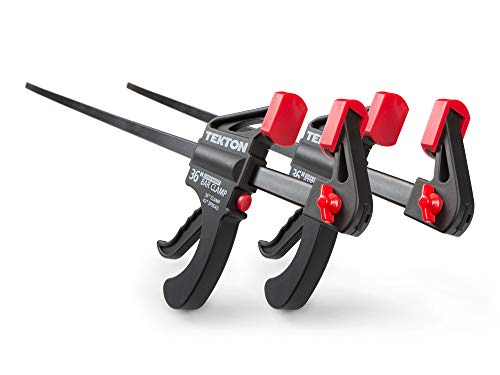
TEKTON 36 Inch Ratchet Bar Clamp / 42 Inch Spreader (2-Piece)
TEKTON
Mid-Range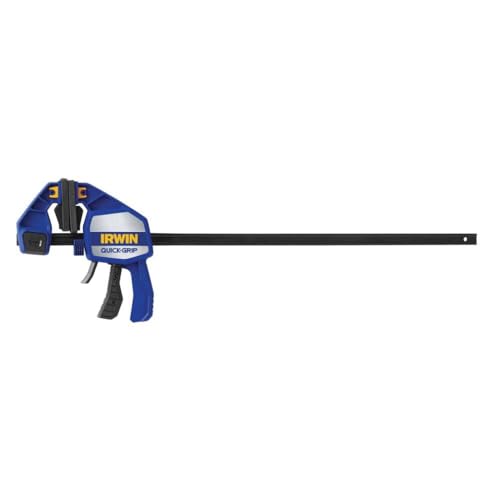
IRWIN One-Handed Bar Clamp, Heavy-Duty, 24"
IRWIN
Mid-Range
Jorgensen 2-pack 12-inch Ratchet Bar Clamps Set, Medium Duty
Jorgensen
Mid-Range
MAXPOWER Heavy Duty F Clamp 12 in x 4-3/4 in throat
MAXPOWER
Budget
Bessey Clutch Style Bar Clamp 24 in 1200 lb
BESSEY
Mid-Range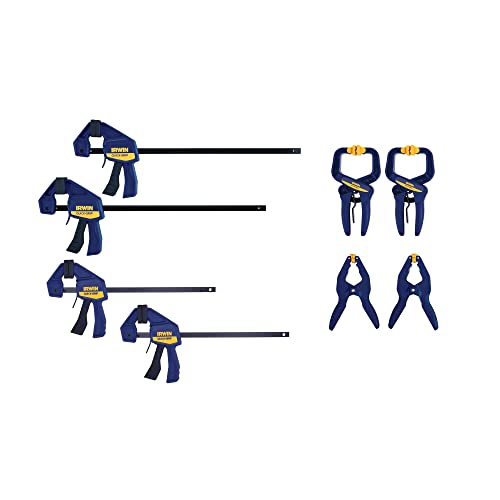
IRWIN Quick-Release Bar Clamps, 6 inch, 8-Piece Set
IRWIN
Mid-Range
IRWIN QUICK-GRIP Clamps, 6-pack, one-handed bar clamps
IRWIN
Mid-Range
MAXPOWER 8 inch F Clamp (2-pack) with 4-3/4 in throat depth
MAXPOWER
Mid-Range
EHK Trigger Clamp Set, 600 lb, 18 in, BESSEY
BESSEY
Budget
Jorgensen 2-pack 12-in bar clamps, medium duty
Jorgensen
Mid-Range
WEN 24 in. x 2.5 in. Quick-Adjust Steel Bar Clamps (2-Pack)
WEN
Budget
BESSEY GSCC4PK-C Clamp Set (2 x 6 in, 2 x 12 in) with Wood Handles
BESSEY
Budget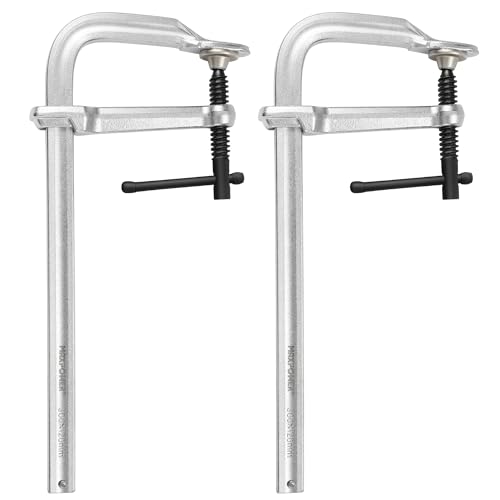
MAXPOWER Heavy Duty F Clamp 12 in, 4.75 in throat (pack of 2)
MAXPOWER
Mid-RangeRoundups
Frequently Asked Questions
How do I choose the right bar clamp size for my project?
Select a clamp with a throat depth and jaw opening that accommodate your workpiece—jaw opening should exceed the widest piece you need to clamp, and throat depth must reach the distance from the clamp edge to the clamped area; common sizes range from 6" for small tasks to 36" or more for large assemblies
What types of bar clamps are available and which is best for woodworking vs metalworking?
Common types include quick-release/one-handed bar clamps, parallel clamps, F-style bar clamps, and pipe clamps; parallel clamps provide evenly distributed pressure good for glue-ups in woodworking, while heavier-duty F-style or pipe clamps with metal construction are typically preferred for metalworking
What features should I look for to ensure even pressure and prevent marring surfaces?
Look for wide, flat clamp faces or parallel jaws to distribute pressure evenly, rubber or plastic jaw pads to protect surfaces, and a ratcheting or screw mechanism that allows fine pressure control to avoid over-tightening
How much should I expect to spend for reliable bar clamps?
Prices vary by size and build: budget options commonly fall under $50, mid-range clamps are often between $50 and $100, and heavy-duty or specialty parallel clamps can exceed that; the category average price is in the mid‑tens to low‑hundreds depending on size and brand
How do I maintain bar clamps to extend their lifespan?
Keep moving parts clean and dry, remove pitch or resin with appropriate solvents, apply light machine oil to screws and sliding bars periodically, and store clamps flat or hanging to prevent bending of bars and protect jaws
What clamp capacity and clamping force should I consider for glue-ups?
For typical woodworking glue-ups, aim for clamps that can apply steady, controllable pressure rather than maximum tonnage; many woodworking clamps provide sufficient force in the tens to low hundreds of pounds of clamping pressure—choose enough clamps to distribute pressure along the joint rather than relying on a single high-force clamp
Are there compatibility considerations with accessories or replacement parts?
Check for common sizes and mounting styles if you plan to use aftermarket pads, spreader blocks, or end caps; some brands use proprietary jaw shapes, while others accept generic pads and screw replacements—measure thread sizes and bar profiles before ordering parts