Bench & Pedestal Grinding Wheels
Bench and pedestal grinding wheels for metalworking and tool sharpening, including abrasive wheels and dressing accessories. The category spans budget through mid-range options (avg $73) with 21 products and an average rating of 4.40. POWERTEC is among the top brands represented
Top Products

POWERTEC 8 in Bench Grinder Wheel & Diamond Wheel Dresser
POWERTEC
Budget
POWERTEC Bench Grinder Wheel & Diamond Dress Tool, 6 in
POWERTEC
Budget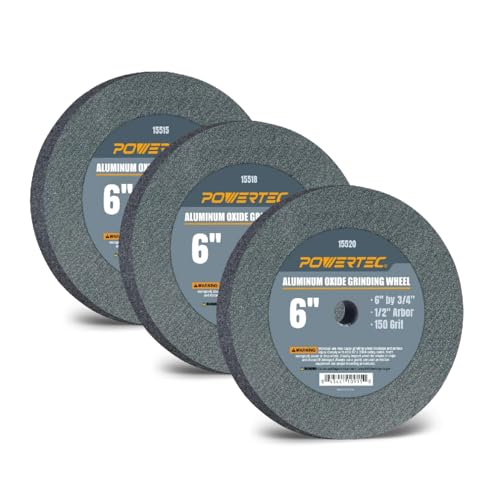
POWERTEC 6in Aluminum Oxide Grinding Wheel Set, 60/80/150 grit
POWERTEC
Mid-Range
POWERTEC 8-Inch Bench Grinder Wheel 60 Grit, 2-Pack, 1" Thick, 5/8" Arbor
POWERTEC
Budget
POWERTEC 8-inch grinding wheel 80 grit (2-pack)
POWERTEC
Budget
Norton 8-Inch Premium Bench Grinder Wheel, aluminum oxide, medium grit
Norton
Mid-Range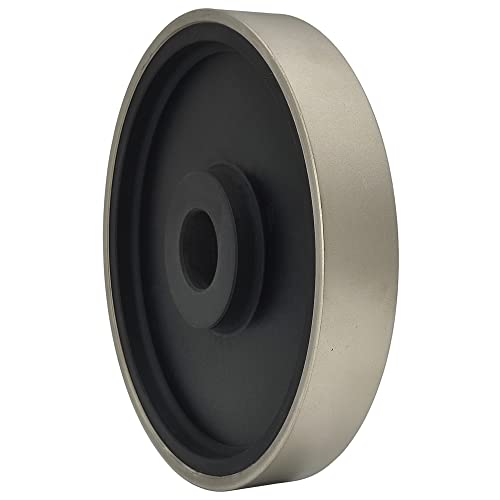
Diamond grinding wheel 6 inch with 1 inch arbor for gem, stone, glass
CAQUXIL
Budget
Powerttec Bench Grinder Wheel & Diamond Dresser, 8in, 60 & 100 grit
POWERTEC
Mid-Range
POWERTEC 8 inch white aluminum oxide grinding wheel, 1 in thick, 5/8 arbor (2-pack)
POWERTEC
Budget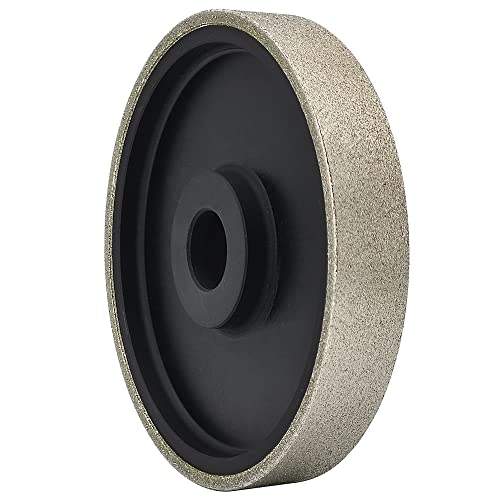
Diamond Lapidary Grinding Wheel 6" with 1" arbor
CAQUXIL
Budget
CBN Grinding Wheel 8in 180 Grit, 1in Wide, 5/8in Arbor
UF-SHARP
Mid-Range
8-inch CBN Grinding Wheel 320 Grit, 1" Wide, 5/8" Arbor
UF-SHARP
Mid-Range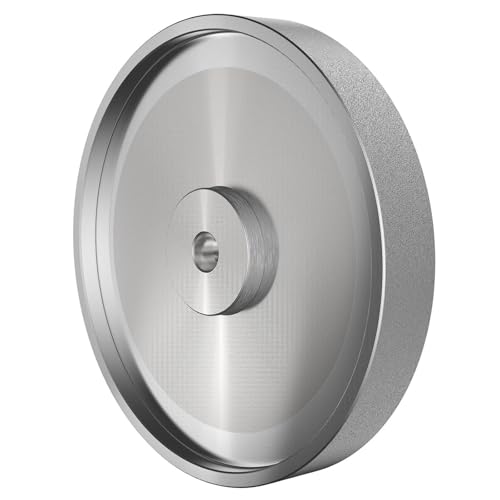
8 inch CBN grinding wheel 1" wide 5/8" bore 180 grit
EASGIU
Mid-Range
Norton Gemini Bench Grinder Wheel, Aluminum Oxide, 10" diameter, medium grit
Norton
Mid-Range
4-in-1 grinding wheel for 8" bench grinders, 180 grit
EASGIU
Mid-Range
4-in-1 CBN Grinding Wheel, 8" dia x 1.25" wide x 5/8" bore, 320 grit
UF-SHARP
Premium
4-in-1 CBN Grinding Wheel, 8" Dia x 1.25" W x 5/8" Bore, 180 Grit for Woodturning Tools
UF-SHARP
Premium
CBN Grinding Wheel 8 in x 1 in x 5/8 in bore for sharpening
EASGIU
Mid-Range
POWERTEC 8 in CBN Grinding Wheel 180 Grit, 5/8 in Arbor
POWERTEC
Premium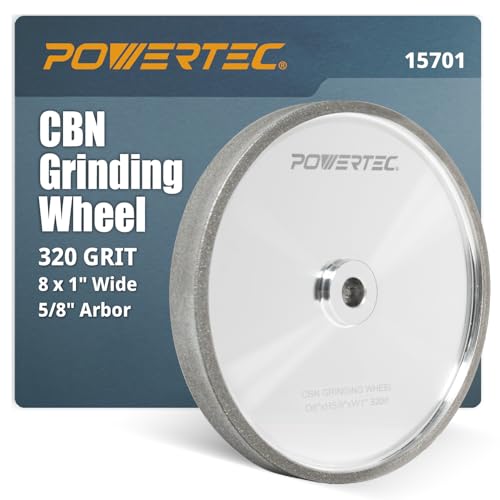
POWERTEC 8in CBN Grinding Wheel 320 Grit, 5/8in Arbor
POWERTEC
Premium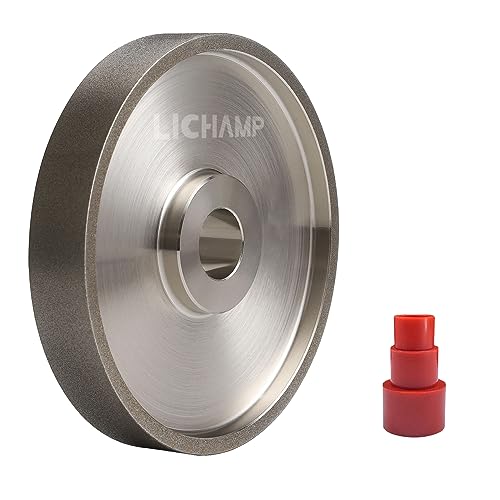
Lichamp 6" CBN Grinding Wheel, 1" width, 180 grit
Lichamp
Mid-RangeRoundups
- Best Bench & Pedestal Grinding Wheels for Sharpening Blades (2026)
- Best Bench & Pedestal Grinding Wheels for Drill Bit Sharpening (2026)
- Best Bench & Pedestal Grinding Wheels Under $200 (2026)
- Best Bench & Pedestal Grinding Wheels Under $100 (2026)
- Best Bench & Pedestal Grinding Wheels Under $50 (2026)
- Best Bench & Pedestal Grinding Wheels (2026 Guide)
Frequently Asked Questions
How do I choose the right bench or pedestal grinding wheel for my application?
Select wheel material and grit based on the work: aluminum oxide for steel and general-purpose grinding, silicon carbide for nonferrous metals and ceramics; coarse grits (24–60) for heavy stock removal, medium (80–120) for shaping, and fine (150+) for finishing. Match wheel diameter, thickness, and arbor hole to your grinder’s specifications and ensure the wheel’s maximum RPM rating meets or exceeds your grinder’s speed
What safety features and protective equipment should I consider when buying a grinding wheel?
Choose wheels with appropriate RPM ratings, undamaged packaging, and, if available, reinforced or vitrified bond options for higher strength. Use eye and face protection, hearing protection, gloves, and a compatible tool rest and spark guard on the grinder; always perform a ring test on new wheels before mounting
How long do grinding wheels typically last and what affects their lifespan?
Wheel life depends on material, grit, bond type, frequency of use, applied pressure, and the hardness of workpieces; heavier, continuous use and hard materials wear wheels faster. Proper mounting, dressing, and avoiding overheating extend life—expect widely varying lifespans from weeks to years depending on use
What is wheel dressing and how often should I do it?
Dressing restores the wheel’s cutting surface and concentricity by removing loaded or glazed abrasive and trueing the face; frequency depends on use and material but typically every few hours of heavy use or when performance drops. Use an appropriate dresser (diamond or star) while following grinder and wheel manufacturer guidance
Are there differences between bench and pedestal grinding wheels I should know?
The primary difference is the machine size: bench grinders are smaller and suited for light to medium tasks, while pedestal grinders are larger for heavier industrial work. Wheel selection principles are the same, but pedestal applications often require larger diameter and higher-strength wheels rated for continuous, higher-load operation
How do bond type and hardness ratings affect grinding performance?
Bond type (vitrified, resin, rubber) determines how abrasive grains are held and affects cutting action, heat resistance, and friability; vitrified bonds are rigid and heat-resistant, resin bonds offer toughness and reduced vibration. Hardness indicates how tightly the bond holds grains—a softer bond frees worn grains sooner for cutting softer materials, while harder bonds last longer on hard materials
What should I check before mounting a new grinding wheel?
Inspect the wheel for cracks or damage, verify the wheel’s maximum RPM exceeds the grinder’s speed, confirm correct diameter, thickness, and arbor hole size, use only recommended flanges and follow torque guidelines, and perform a ring test and run the grinder at operating speed in a safe area for at least one minute before normal use