Bench Vises
Bench vises for workshop and industrial use, including stationary and swivel-jaw models for metalworking, woodworking, and general clamping tasks. The category spans budget through premium options (about $34–$794, avg $165) and features brands such as Wilton and VEVOR among 40 indexed products with an average rating of 4.60
Top Products

Stanley MaxSteel Multi Angle Hobby Vise, Yellow/Black
STANLEY
Mid-Range
VEVOR 4.5-inch Bench Vise with 240° swivel base
VEVOR
Budget
Yost LV-4 Homeowner's Vise, 4.5” jaw width, swivel base
Yost Tools
Budget
Forward CR50A 5-1/2 in Bench Vise with Anvil and Swivel Base
Forward
Mid-Range
Forward CR40A 4.5 Inch Bench Vise with Anvil and 210° Swivel Base
Forward
Mid-Range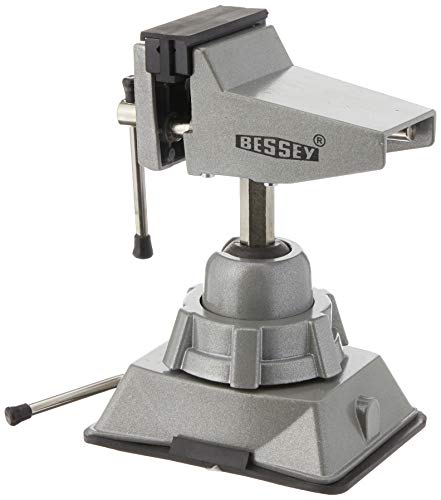
BV-VB Vacuum Base Vise by BESSEY
BESSEY
Mid-Range
VEVOR 6-inch Jaw Bench Vise with 360° swivel base
VEVOR
Mid-Range
Mini Drill Press Vise with Rubber Soft Jaws, 0-2.48" Clamping Range
ARTYMASTER
Budget
Yost HD450-C heavy-duty bench vise with swivel base
Yost Tools
Premium
WORKPRO 4-1/2
WORKPRO
Mid-Range
Yost RHV-6 6-Inch Receiver Vise for 2" hitch
Yost Tools
Premium
Yost M7WW Rapid Action Woodworking Vise, 7 In Jaw
Yost Tools
Mid-Range
MYTEC 2-In-1 Work Bench Vise, 4.5" clamp-on/bolt-down
MYTEC
Mid-Range
Bench Vise 6 Inch, 360° Rotating, 30Kn Clamping
VEVOR
Mid-Range
Real Avid Smart-Jaws Multi-Fit Sleeves for Vise Jaws
Real Avid
Mid-Range
Dual-Purpose Vise: Bench Clamp or Table Vise (3.3"); 360° Rotating, Black
HENGDA VISE
Budget
VEVOR 6.5 in Bench Vise with 360° Swivel Base
VEVOR
Mid-Range
Heavy Duty Bench Vise with Anvil, 6-1/2" Jaw, 360° Swivel
VEVOR
Mid-Range
Screw bench chain vise for pipe 1/8"-5" capacity
VEVOR
Mid-Range
Yost M9WW Rapid Action Woodworking Vise, 9in
Yost Tools
Premium
Wilton 5" Shop Bench Vise (WS5) with 5" jaw, 3" throat
Wilton
Premium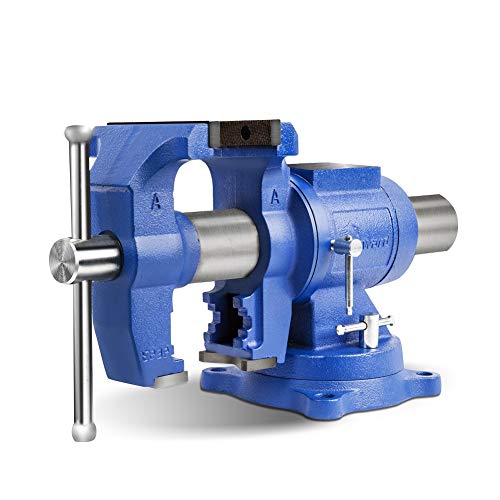
Forward 6in Heavy Duty Bench Vise with 360° swivel
Forward
Premium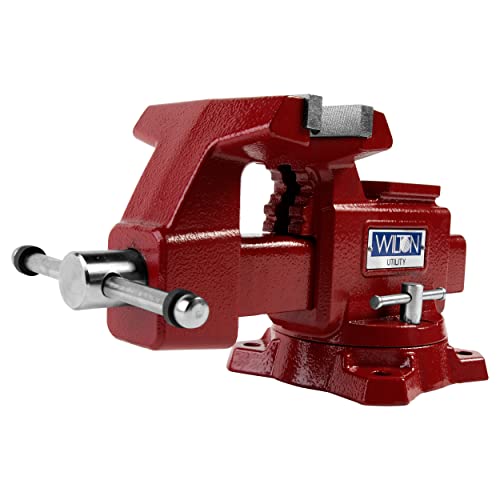
Wilton utility bench vise, 5-1/2" jaw width (675U)
Wilton
Premium
Forward CR80A 8-Inch Bench Vise with Anvil and Swivel Base
Forward
PremiumRoundups
Frequently Asked Questions
How do I choose the right bench vise size and jaw width for my projects?
Select a vise with jaw width and throat depth suited to the largest workpieces you'll clamp; common hobby and light-duty vises have 3–4 inch jaws, while heavy-duty metalworking vises often have 5–6+ inch jaws. Consider the maximum opening (jaw capacity) and throat depth for holding larger or irregular shapes, and match the vise's weight and mounting footprint to your benchtop strength and available space
What materials and construction features indicate a durable bench vise?
Durable vises are typically made from ductile cast iron or forged steel components with hardened steel jaws and a precision-ground screw and guide. Look for features like replaceable jaw inserts, a sealed or lubricated screw, and a robust anvil surface if you need occasional hammering
What types of bench vises are available and which is best for metalworking vs woodworking?
Common types include machinist/metalworking vises (heavy, high clamping force, hardened jaws), woodworking vises (wider, softer jaws or wooden faces to protect work), and multipurpose/combination vises. Choose a metalworking vise for metal shaping, filing, and machining; choose a woodworking vise or add soft jaw covers when working with wood or finished surfaces
How should I mount a bench vise and what bench requirements should I check?
Mount the vise to a sturdy bench or mounting plate using heavy bolts through the provided base holes; use washers and locknuts or flange nuts for secure fastening. Ensure the bench thickness and structural support can handle the vise's weight and the clamping forces—reinforce the bench or use a dedicated mounting board if necessary
How do I maintain a bench vise to extend its life and performance?
Keep the screw and guide rails clean and periodically lubricated with grease or oil, replace worn jaw inserts as needed, and avoid striking the vise with a hammer on the screw or jaws. Protect the finish from rust by wiping off moisture and applying light oil to bare metal surfaces
What jaw accessories or modifications should I consider?
Common accessories include soft jaw covers (rubber, leather, or wood) to protect delicate work, pipe jaws or V-blocks for round stock, and serrated or replaceable hardened jaw plates for grip on metal. Ensure accessories match the jaw width and mounting style of your vise
How much should I expect to spend and what price factors matter?
Bench vises range broadly from budget models under $50 to several hundred dollars for heavy-duty, professional-grade units, with average prices in the mid-hundreds for well-built metalworking vises. Price typically reflects materials (cast vs forged), jaw width and capacity, screw quality, and brand reputation