Blood Collection Tubes
Blood collection tubes and related supplies for clinical and laboratory sampling, including evacuated tubes, capillary tubes, and storage vials. The category averages 26 indexed products with an average rating of 4.69 and mid-range prices around $40–$70; top brands include Meterbox and Atsuhut
Top Products

Vacutainer Blood Collection Tubes for Pets, Heparin 5ml, 100pcs
Atsuhut
Mid-Range
Vacutainer blood collection tubes for pets, 5ml, 100 pcs
Atsuhut
Mid-Range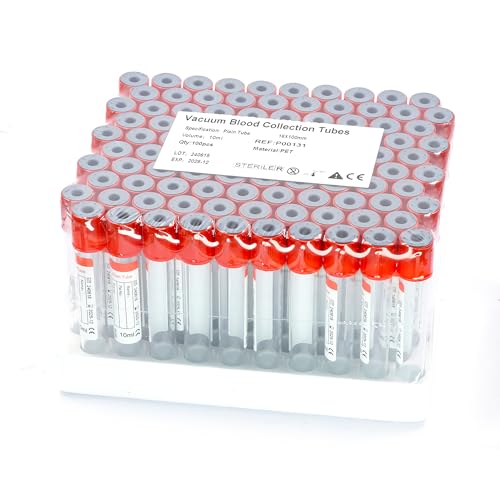
Vacutainer Blood Collection Tubes for Pets (10ml, plain tube, red cap) - 100 pcs
Atsuhut
Mid-Range
Vacutainer blood collection tubes 10ml gel clot tubes (100 pcs) yellow cap
Meterbox
Mid-Range
Vacutainer Blood Collection Tubes 3ml PT Tube with blue cap
Meterbox
Mid-Range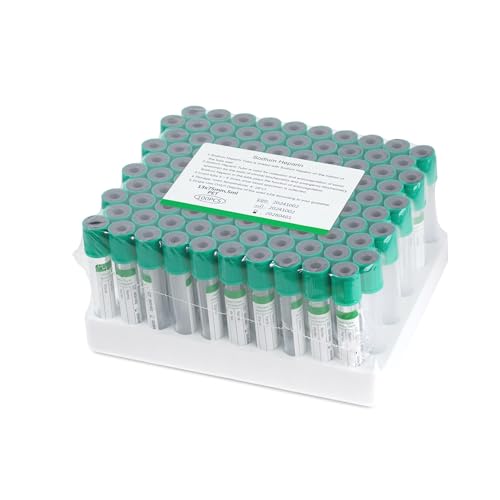
Vacutainer Blood Collection Tubes 5mL Heparin Tube (100pcs) for veterinary use
Meterbox
Mid-Range
Vacutainer Blood Collection Tubes 5ml with red cap (100 pcs)
Meterbox
Mid-Range
Vacutainer 5ml Gel Clot Tubes for Veterinary use (100 pcs)
Meterbox
Mid-Range
Vacutainer Blood Collection Tubes 3ml PT Tube for Veterinary Lab 100 Pcs
Meterbox
Mid-Range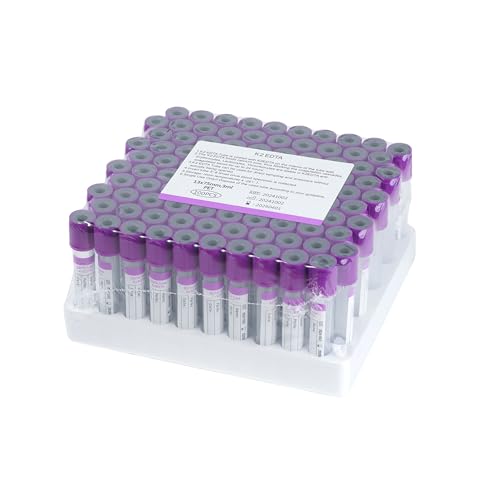
Vacutainer Blood Collection Tubes 3 mL EDTA K2 Tube (100 pcs) for Veterinary
Meterbox
Mid-Range
Vacutainer Blood Collection Tubes 10ml, PET, Red Cap, 100pcs
Meterbox
Mid-Range
Vacutainer Blood Collection Tubes for Pets, 3ml PT Tube with Yellow Cap, 100 pcs
Atsuhut
Mid-Range
Vacutainer 3ml K2 EDTA Tubes for Veterinary Use (100 Pcs)
Atsuhut
Mid-Range
Vacutainer Blood Collection Tubes for Pets (5ml, Gel Clot, Yellow Cap) 100 pcs
Atsuhut
Mid-Range
Vacutainer Blood Collection Tubes 3ml EDTA K3 – 100 Pcs Vet Tubes
Meterbox
Mid-Range
Vacutainer 5ml Gel Clot Tube with Yellow Cap, 100pcs (PET) – Vet Lab
Meterbox
Mid-Range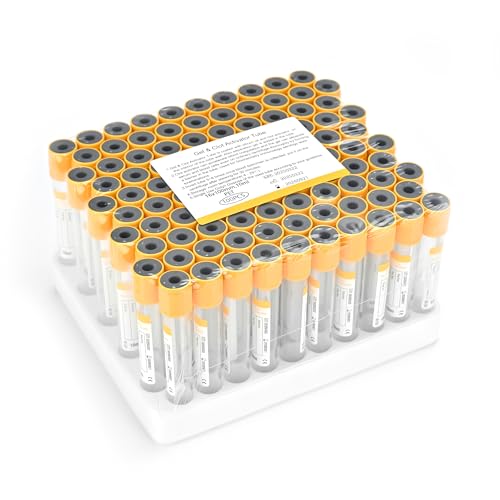
Vacutainer Blood Collection Tubes 10ml Gel Clot Tube (100 Pcs) BeHerk
BeHerk
Mid-Range
Vacutainer Blood Collection Tubes 5ml Plain Tube, 100pcs
Meterbox
Mid-Range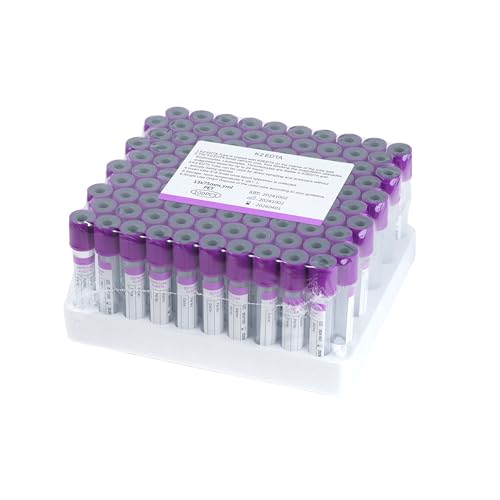
Vacutainer EDTA K2 Tubes 5ml (100 wrap) for veterinary use
Meterbox
Mid-Range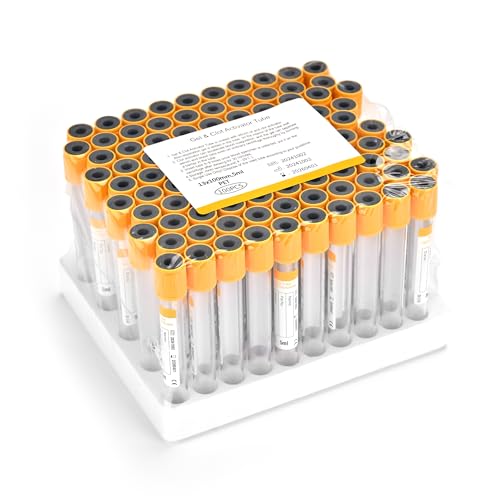
Vacutainer Blood Collection Tubes 5ml Gel Clot Tube for Lab Tests (100 pcs) BeHerk
BeHerk
Mid-Range
Vacutainer Blood Collection Tubes 3ml PT Tube Lab Vacuum 100 Pcs
BeHerk
Mid-Range
Vacutainer Blood Collection Tubes 5ml Plain Tube with red cap, 100pcs
BeHerk
Mid-Range
PRP tubes with ACD+Gel, 10 ml draw (set of 10) by HGMED
HGMED
Mid-Range
PRP Tubes ACD+GEL 10 mL - 10 Tubes
HGMED
Mid-RangeRoundups
- Best Blood Collection Tubes for Veterinary Blood Sampling (2026)
- Best Blood Collection Tubes for Veterinary Blood Collection (2026)
- Best Blood Collection Tubes Under $200 (2026)
- Best Blood Collection Tubes Under $100 (2026)
- Best Blood Collection Tubes Under $50 (2026)
- Best Blood Collection Tubes (2026 Guide)
Frequently Asked Questions
How do I choose the right type of blood collection tube for my application?
Select tubes based on anticoagulant/additive (e.g., EDTA for hematology, citrate for coagulation, heparin for chemistry), required volume, closure type (vacuum vs. non-vacuum), and whether you need sterile, pediatric, or microcollection formats
What materials and construction features should I look for to ensure sample integrity?
Look for tubes made from medical-grade glass or polypropylene with secure caps to prevent leakage, clearly labeled additive indicators, and validated additive concentrations; color-coded caps and lot-specific quality control documentation help ensure correct handling and traceability
Are there budget-friendly options that still meet laboratory standards?
Lower-cost or generic tubes are available and can be appropriate for routine, non-critical testing if they meet relevant quality standards (ISO, CE, or local regulations) and provide additive documentation; for specialized assays, use tubes specified by the test manufacturer
How should blood collection tubes be stored and handled before use?
Store tubes at manufacturer-recommended temperature and humidity, avoid freezing, keep in original packaging until use to maintain sterility, and inspect for cracks, expired lot numbers, or compromised seals prior to collection
Can I reuse or safely dispose of blood collection tubes?
Do not reuse tubes; single-use only. Dispose of used tubes as regulated medical waste per local biohazard and sharps regulations, typically in designated puncture-resistant biohazard containers
How do tube size and draw volume affect test results?
Using the correct tube size ensures proper blood-to-anticoagulant ratio; underfilling can alter results (e.g., coagulation tests), while overfilling may compromise sample safety or downstream processing—follow test and tube manufacturer guidelines for minimum and maximum fill volumes
What documentation or certifications should I request for clinical or research use?
Request product specifications, lot-specific certificates of analysis, sterility and endotoxin statements if applicable, and evidence of conformity to relevant standards (ISO, CE, or local regulatory approvals) to confirm suitability for clinical or research workflows