Bottle Jacks
Bottle jacks are hydraulic lifting tools used for raising vehicles and heavy equipment, available in capacities and sizes suited to garage, shop, and industrial use. The category spans budget through mid-range options (58 products, avg rating 4.31) with popular brands like BIG RED and Torin represented
Top Products

BIG RED 4 Ton Hydraulic Bottle Jack
BIG RED
Budget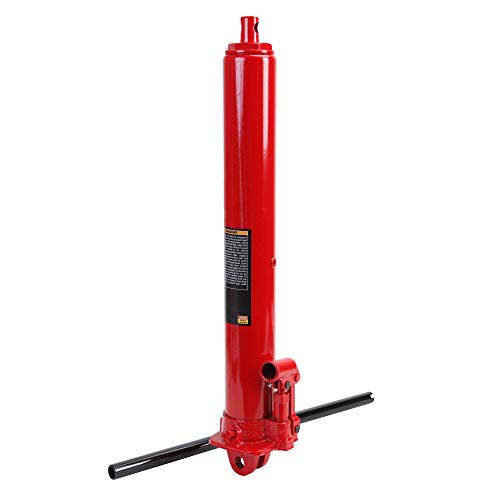
BIG RED hydraulic long ram jack 8 ton with clevis base
BIG RED
Mid-Range
BIG RED 12 Ton Hydraulic Bottle Jack, Low Profile
BIG RED
Mid-Range
BIG RED 12 Ton Bottle Jack for Cars, Trucks, SUVs (12 ton, 24,000 lb) blue
BIG RED
Mid-Range
Big Red 20 Ton Hydraulic Bottle Jack with Case
BIG RED
Mid-Range
BIG RED 6 Ton Hydraulic Bottle Jack TAM90603B
BIG RED
Mid-Range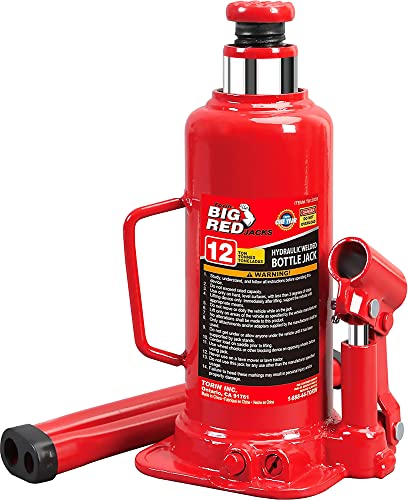
BIG RED 12 Ton Hydraulic Bottle Jack
BIG RED
Mid-Range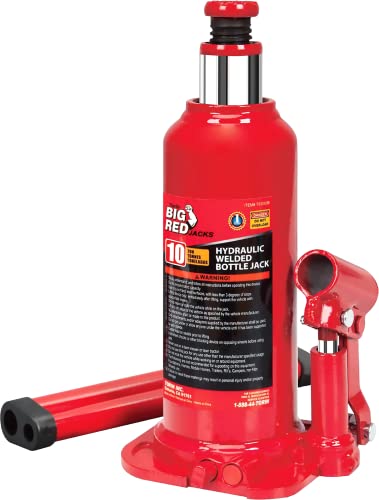
BIG RED 10 Ton Welded Hydraulic Bottle Jack
BIG RED
Budget
Yellow Jacket 6-Ton Multipurpose Bottle Jack
YELLOW JACKET
Budget
Torin 6 Ton Hydraulic Bottle Jack (12,000 lb) AT90603BB
Torin
Budget
BIG RED 20 Ton Welded Hydraulic Bottle Jack
BIG RED
Mid-Range
BIG RED 12 ton hydraulic bottle jack with carrying case
BIG RED
Mid-Range
BIG RED 12 Ton Hydraulic Stubby Bottle Jack
BIG RED
Mid-Range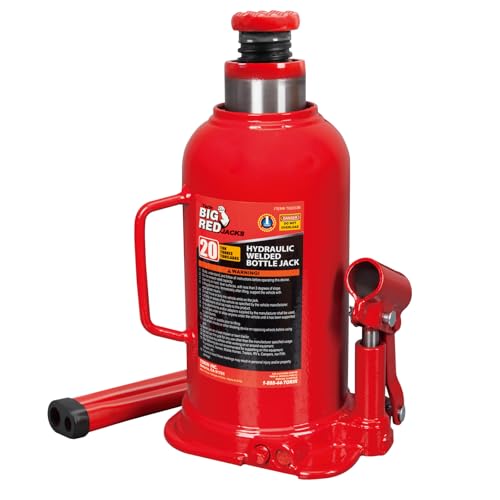
BIG RED 20 Ton Hydraulic Bottle Jack (40,000 lb)
BIG RED
Mid-Range
Torin 5 Ton Screw Jack for deck leveling
Torin
Mid-Range
VEVOR 8-Ton Hydraulic Long Ram Jack with Clevis Base
VEVOR
Mid-Range
DNA MOTORING 6 Ton Hydraulic Bottle Jack, 13228 lbs, 8.6-17 in lift
DNA MOTORING
Budget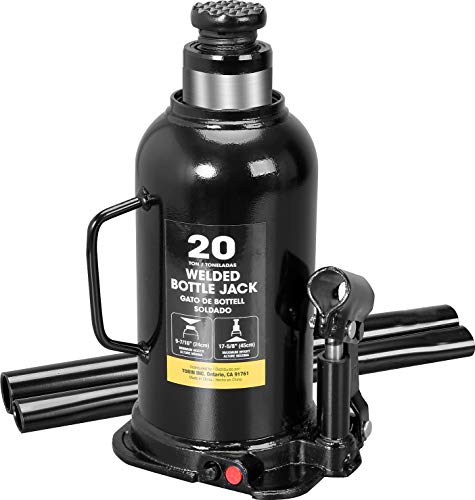
Torin 20 Ton Hydraulic Bottle Jack (AT92003BB)
Torin
Mid-Range
Yellow Jacket 10 Ton Muti-Directional Welded Bottle Jack (20,000lb) - Horizontal use
YELLOW JACKET
Mid-Range
Yellow Jacket 20-Ton Bottle Jack with 2-Section Long Handle
YELLOW JACKET
Mid-Range
DNA MOTORING 4 ton hydraulic bottle jack with manual handle
DNA MOTORING
Budget
DNA Motoring 6-ton Hydraulic Bottle Jack (Pink) with Manual Handle
DNA MOTORING
Budget
VEVOR hydraulic long ram jack, 3 ton engine hoist cylinder
VEVOR
Mid-Range
Torin 12 Ton Multi-Directional Welded Bottle Jack
Torin
BudgetRoundups
Frequently Asked Questions
How do I choose the right lifting capacity for a bottle jack?
Select a jack with a lifting capacity equal to or greater than the heaviest load you need to lift; common capacities range from 2 to 50 tons for consumer and light-industrial use, and choosing a capacity slightly above your maximum load adds a safety margin
What are the key safety features I should look for?
Look for a wide, stable base, a safety valve to prevent overloading, a locking mechanism or catch to hold load if hydraulic pressure is lost, and a rated load capacity clearly marked on the jack
How do bottle jacks differ in stroke height and how does that affect use?
Stroke height (minimum and maximum lift) determines how low the jack can start and how high it can raise a load; pick a jack with a low collapsed height if you need to fit under low-clearance equipment and ensure the maximum lift meets your task requirements
Are there trade-offs between price, brand, and build quality?
Higher-priced or established-brand jacks often use thicker steel, better seals and valves, and tighter manufacturing tolerances, while budget options can be satisfactory for occasional light use; consider average category pricing (around $70–$80) and user ratings when balancing cost versus durability
What maintenance and storage practices extend a bottle jack's life?
Keep hydraulic fluid clean and at the recommended level, bleed air from the system per instructions, wipe off dirt and moisture after use, store upright in a dry place, and inspect seals and screws regularly for leaks or damage
Can bottle jacks be used to support a vehicle or should I use jack stands?
Bottle jacks can lift a vehicle but are not intended as a long-term support; always place properly rated jack stands under the vehicle before working underneath to provide stable, passive support
What should I check before buying to ensure compatibility with my vehicle or equipment?
Check the required lifting capacity, the minimum collapsed height and maximum lift stroke relative to your lifting point, the saddle size and shape for secure contact, and whether the jack's base fits the work surface for stability