Brazing Rods
Brazing rods for tools and industrial work, including copper, bronze, and specialty alloys for joining or repair of metals. This category covers mid-range to premium options (about $38–$124 average ~(price varies)) across 13 indexed products; top brands include Mundaka Technologies Inc
Top Products

Blue Demon E308L-16 stainless welding electrode (3/32" x 12" x 5 lb)
Blue Demon
Mid-Range
Blue Demon E308L-16 welding electrode (stainless) 5LB pack
Welding Material Sales
Mid-Range
SS Arc Welding Electrode 1/8 x 14 5lb
Blue Demon
Mid-Range
20 Sticks BCuP-5 silver brazing rods for HVAC
Vouyar
Mid-Range
SUA RBCuZn-C Low-Fuming Bronze Brazing Rod 18" x 1/8"
Mundaka Technologies Inc
Mid-Range
LFB Bare Bronze Brazing Rod 36" x 1/8" (2 Lb) by SUA
SUA
Mid-Range
SUA - RBCuZn-C Low-Fuming Bronze Brazing Rod, Flux Coated, 18" x 1/16" (2.5 Lb)
Mundaka Technologies Inc
Mid-Range
Tandefio 40 Sticks Brazing Rods 15% Silver Phos Copper Welding
Tandefio
Mid-Range
SUA - RBCuZn-C Low-Fuming Bronze Brazing Rod, Flux Coated, 18" x 1/8" (2 lb)
Mundaka Technologies Inc
Mid-Range
20pcs 5% silver brazing rods BCuP-3 for copper welding
UCandy
Budget
ER309L TIG Welding Rod 3/16x36in 10lb
Welding Material Sales
Premium
BCuP-5 Silver Solder Kit with Torch, 25 sticks, Dia 0.042" x 11"
ZLEYECZ
Budget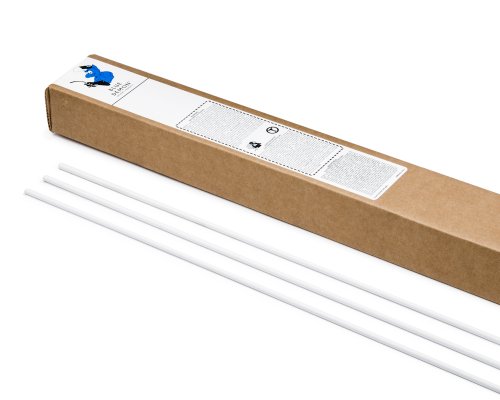
Blue Demon RBCuZn-C brazing rod 1/8" x 36" 10lb
Blue Demon
PremiumRoundups
Frequently Asked Questions
How do I choose the right brazing rod for the metals I am joining?
Select a brazing rod alloy that is compatible with the base metals and operating temperature; common choices are copper-phosphorus or bronze rods for copper and brass, and silver-bearing or nickel-based rods for ferrous metals and dissimilar joints
What flux should I use with brazing rods and when is flux not necessary?
Use a flux recommended for the rod alloy and base metals to prevent oxidation and promote wetting; flux is not required for self-fluxing copper-phosphorus rods on copper/brass but is needed for many silver, bronze, and nickel rods on steel or mixed metals
What torch and temperature ranges are typical for brazing rods?
Common brazing uses an oxy-acetylene or propane/air torch with temperatures from about 600°C to 900°C (1100°F to 1650°F) depending on the rod alloy; consult the rod manufacturer's melting range to match torch capability
How should brazing rods be stored and handled to maintain quality?
Store rods in a dry, temperature-stable environment, keep them in original packaging or sealed containers to prevent oxidation and contamination, and avoid touching the flux-coated ends with bare hands to preserve flux effectiveness
What factors affect the cost of brazing rods and what price range should I expect?
Cost varies by alloy composition (silver and nickel alloys are typically more expensive), rod diameter and length, and brand; expect budget options below $50 for basic copper/brass rods and higher-cost specialty or silver-bearing rods to be significantly more
How do I choose the right rod diameter and length for a job?
Select a diameter that matches joint clearance and heat capacity—thinner rods (1/16"–1/8") for small, delicate joints and thicker rods (3/32" and up) for larger joints; length is typically chosen for handling convenience and the amount of filler needed
Are there safety precautions specific to brazing rods I should follow?
Wear appropriate PPE—flame-resistant gloves, eye protection with proper lens shade, and ventilation to avoid fumes; be cautious with flux fumes and hot filler metal, and follow material-specific safety data sheets for alloys used