Buffing Wheels
This category covers buffing wheels and polishing accessories for metal, jewelry, and automotive finishing, including cloth, felt, and mop variants. Sixteen products average a 4.37 rating and mid-range pricing (about $33–$63), with brands like QZATTCAEN represented
Top Products

Rocaris 300 Pack Abrasive Wheels 1/8 Shank Buffing Polishing Set
Rocaris
Mid-Range
Rocaris Abrasive Wheel Set for Rotary Tools, 25mm, 1/8" Shanks
Rocaris
Budget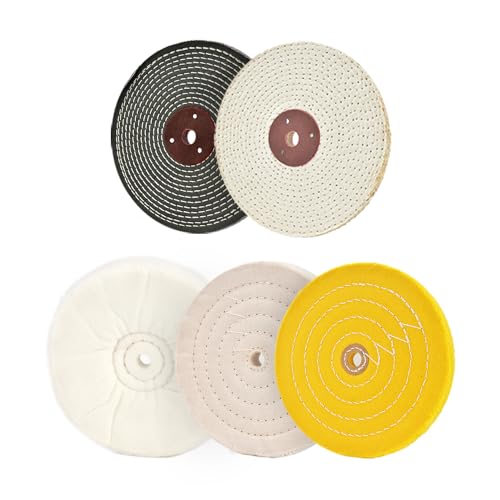
SCOTTCHEN 8 inch Buffing Wheel Set with 5/8 arbors
SCOTTCHEN
Budget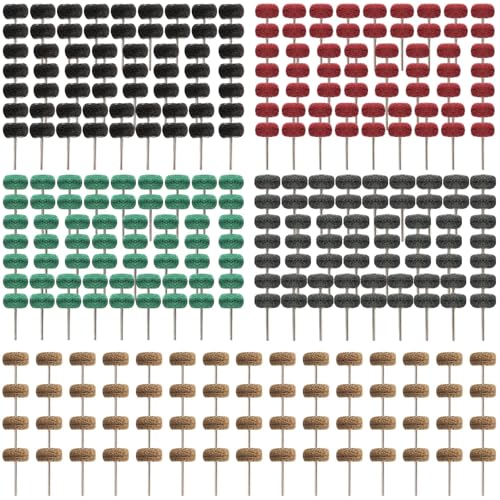
Rocaris abrasive buffing wheel set, 1" shank, 120-600 grit
Rocaris
Mid-Range
10" Extra Thick Loose Cotton Buffing Wheels (2 Pack)
ENKAY
Budget
Airway Buffing Wheel Kit 4 Piece for Angle Grinder, 8"
QZATTCAEN
Budget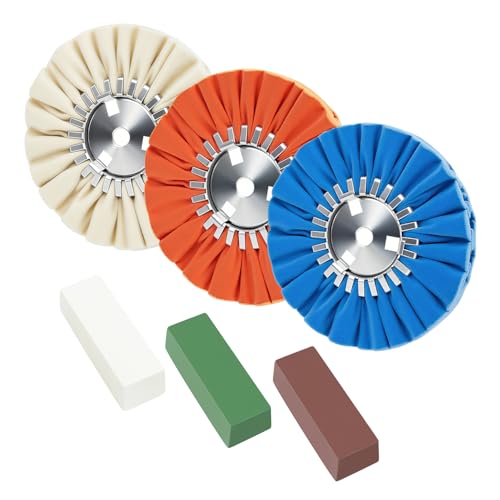
Airway buffing wheel kit for angle grinder, 8" diameter, 6 pcs
QZATTCAEN
Budget
Airway buffing wheel kit 7 pcs 8" arbor 5/8" for angle grinder
QZATTCAEN
Mid-Range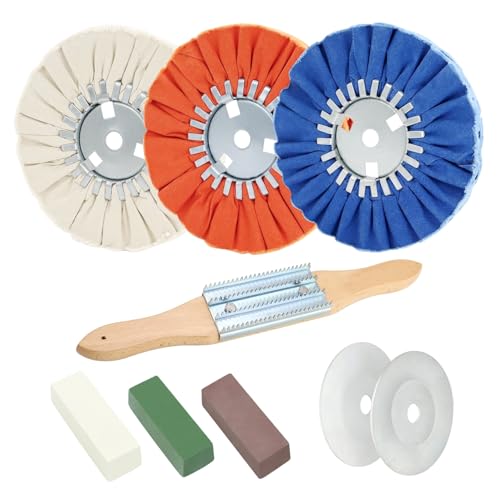
8 inch airway buffing wheel kit with 5/8 inch arbor for aluminum polishing
QZATTCAEN
Mid-Range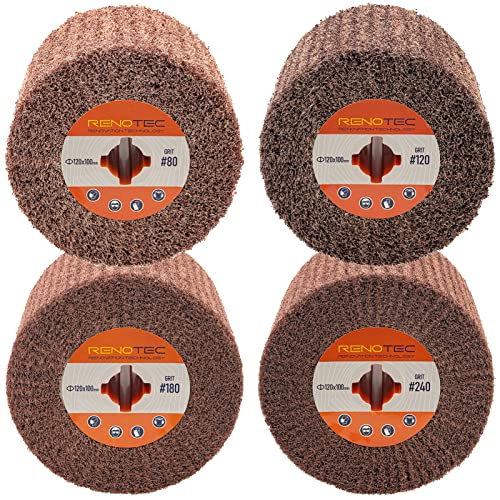
Non-Woven Wheel 120x100mm for Satin Finish (80-240 Grit Set) - RENOTEC
RENOTEC
Mid-Range
Amylove 8 Inch Airway Buffing Wheels Kit, 8 pcs
Amylove
Mid-Range
8 Pcs Airway Buffing Wheel Kit for 8 Inch Grinding Wheel
QZATTCAEN
Mid-Range
8" Non-Woven Airway Buffing Wheel, 5/8" Arbor, Coarse Polishing
QZATTCAEN
Budget
8" Airway Buffing Wheel 9Pcs Aluminum Polishing Kit
Konvixon
Mid-Range
Tnisesm 10Pcs 8" Airway Buffing Wheel Kit with Arbour Hole
Tnisesm
Mid-Range
Amylove 8-Inch Airway Buffing Wheels Kit, 12 pcs with 5/8" arbor
Amylove
Mid-RangeRoundups
Frequently Asked Questions
How do I choose the right buffing wheel for my project?
Select a wheel based on material being polished (soft wheels for easy metals and jewelry, firmer or abrasive-backed wheels for heavy oxidation or shaping), wheel diameter compatible with your buffer or grinder, and attachment type (center hole size or arbor fit). Consider pile thickness and compound compatibility for the finish you want
What types of buffing wheels and materials are commonly available?
Common types include cotton/cloth wheels (stitch- or unstitched), mops, felt wheels, sisal, and wool; materials differ in softness and aggressiveness, with cotton and wool for fine polishing and sisal or felt for cutting or applying compounds
How much should I expect to spend on buffing wheels?
Buffing wheels typically range from budget options under $20 to more specialized or larger wheels over $50; the category average price is in the tens of dollars, with cost influenced by size, material, and brand
Can I use the same wheel with different polishing compounds?
Yes, you can use different compounds on the same wheel, but avoid cross-contaminating abrasive and finishing compounds; dedicate wheels to specific compound types or thoroughly clean/trim wheels between uses for best results
How do I maintain and store buffing wheels to extend their life?
Remove accumulated compound and debris with a wheel dresser or wire brush, trim loose edges as needed, store wheels in a clean, dry place away from oils and humidity, and balance wheels before mounting to reduce vibration
What safety precautions should I take when using buffing wheels?
Wear eye protection, a dust mask or respirator when polishing materials that produce fine particles, secure workpieces firmly, avoid loose clothing or gloves that can catch in the wheel, and run new or freshly dressed wheels at recommended speeds to check balance
How do wheel size and RPM affect polishing performance?
Larger wheels provide more surface contact and can deliver smoother finishes at lower revolutions per minute (RPM), while smaller wheels spin faster for more aggressive cutting; always use wheels within the tool's rated speed to prevent failure