Bulk Coaxial Cables
Bulk coaxial cables for tools and industrial use, including RG6 and RG59 lengths suited for surveillance, networking and RF installations. Ten products average 4.61 stars, with prices typically $36–$150 and mid-range options around $54; brands include Klutchtech and MOTITO
Top Products

MOTITO Starlink Gen 3 Cable, 30FT waterproof ethernet extension
MOTITO
Mid-Range
Swann 100ft BNC Coaxial Extension Cable for CCTV
Swann
Mid-Range
XRDS-RF RG58 Coax CB Cable 75ft with PL-259 UHF Connectors
XRDS -RF
Budget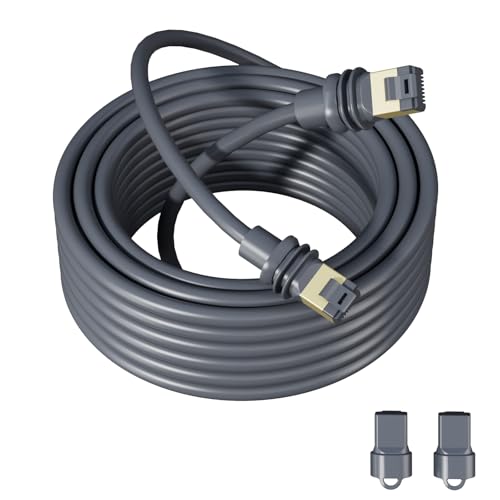
Starlink Cable Gen 3/Mini replacement cable, 82ft
Klutchtech
Mid-Range
MOTITO Starlink Gen 3 Cable 100ft Waterproof Extension
MOTITO
Mid-Range
Starlink Gen 3 Cable/Mini 50ft replacement cable
Klutchtech
Mid-Range
Starlink Cable Gen 3/Mini replacement cable 150FT
Klutchtech
Mid-Range
Starlink Gen 3 Cable 75FT replacement for Starlink systems
ALL- LUCKY
Mid-Range
Starlink Gen 3 Cable 30M/100FT – STARGEAR outdoor Ethernet replacement
STARGEAR
Mid-Range
Starlink Gen 3/Mini replacement cable 246ft – waterproof, all-weather
Klutchtech
PremiumRoundups
Frequently Asked Questions
How do I choose the right type and impedance for bulk coaxial cable?
Select the cable type and impedance based on your application: 75-ohm cable (RG-6, RG-59) for TV, CCTV and satellite signals; 50-ohm cable (RG-58, LMR-240) for radio, ham/antenna, and some data links. Match cable impedance to your devices and connectors to prevent signal loss and reflections
What length and gauge should I buy to minimize signal loss over long runs?
Choose thicker cables (lower loss types like RG-6 or LMR-400) for longer runs; higher-quality center conductors and thicker shielding reduce attenuation. Estimate loss by length: short runs (under 50 ft) work with thinner RG-59, medium runs (50–200 ft) use RG-6, and very long or high-frequency runs may require LMR-series or specialized low-loss cable
What shielding and connector types matter for interference and durability?
Look for cable with at least dual shielding (foil + braided) for better protection against EMI; quad shielding provides even lower interference. Common connectors include F-type for TV/satellite, BNC for CCTV, and N-type or SMA for radio; ensure the bulk cable is compatible with your intended connector and that connectors are properly installed or pre-terminated
Are bulk coaxial cables easy to install and terminate myself?
Many bulk coax cables can be cut and terminated with the right tools—coax stripper, compression/crimp tool, and compatible connectors—but proper technique is important to avoid signal loss. Pre-terminated or labeled bulk packs reduce installation time if you prefer to avoid field-terminating each run
How should I store and handle bulk coaxial cable to avoid damage?
Store cables on reels or coils in a dry, cool area and avoid tight bends that exceed the cable's minimum bend radius. Protect connectors and avoid crushing or kinking the cable; keep away from high-heat sources and chemicals that can degrade the jacket
What safety and code considerations should I know when installing coax cables?
Follow local electrical and building codes—use plenum-rated (CMP) or riser-rated (CMR) cable where required for in-wall or air-handling spaces, and adhere to grounding/bonding practices for satellite/CATV systems to prevent electrical hazards. When routing near power lines, maintain separation to reduce interference and comply with code
How do I compare cost versus performance when buying bulk coax for multiple runs?
Balance initial cable cost against performance needs: budget cables suit short, low-frequency runs, while higher-priced low-loss or better-shielded cables deliver superior performance for long runs or high-frequency signals. Consider total system costs including connectors, tools, and labor when evaluating value