C-Clamps
C-clamps are heavy-duty clamping tools used to hold workpieces during woodworking, metalworking, welding, and general fabrication, available in fixed and swivel-jaw styles. This niche lists 16 products averaging a 4.61 rating, with prices typically $34–$95 and notable brands like PONY and IRWIN represented
Top Products

IRWIN VISE-GRIP Welding Pliers with Fast Release, 11-Inch
IRWIN
Budget
PONY Cabinet Claw, 2-Pack for face frame installation
PONY
Mid-Range
MAXPOWER 4-inch C Clamp Set
MAXPOWER
Budget
PONY Cabinet Claw 2-Pack 8510 Clamps for Face Frame Cabinets
PONY
Mid-Range
Monster & Master 15" C clamp locking pliers with swiveling pads
Monster & Master
Budget
Monster & Master welding pipe plier clamp - 10 inch (2-pack) with adjustable V-jaw
Monster & Master
Budget
4 Pcs C Clamps 304 Stainless Steel 3 3/8in Tiger Clamp
Eunenete
Budget
Monster & Master 18" C-clamp Locking Pliers with Swivel Pads, 2-Piece
Monster & Master
Mid-Range
304 stainless steel C clamps 2.5 inch tiger clamp (4 pcs)
Eunenete
Budget
8 Pcs C Clamp Set, 4-Inch Heavy Duty Cast Iron Frames
MYFAMIREA
Mid-Range
PONY 4-Pack Cabinet Clamps 8510 Cabinet Claw
PONY
Mid-Range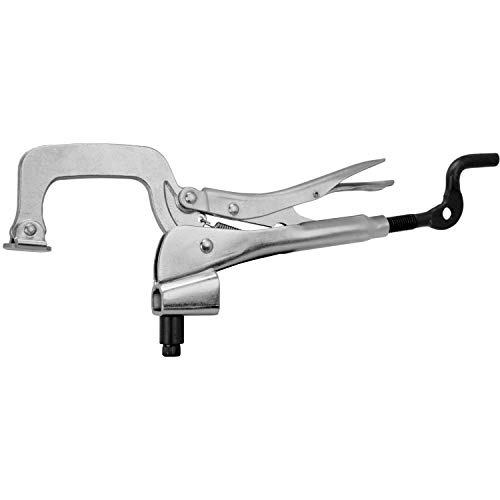
Inserta Plier for table mount clamp, rear crank handle
BuildPro
Budget
304 stainless steel C-Clamps, 20mm mini tiger clamps (16 pack)
Eunenete
Budget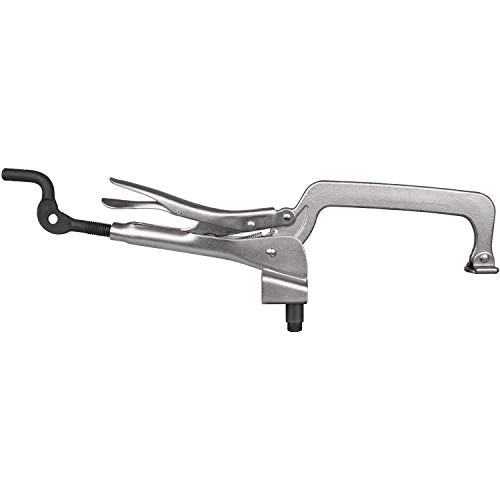
Inserta Pliers Clamp with Rear Crank Handle, 5/8" Insert, 6-1/8" Throat
BuildPro
Mid-Range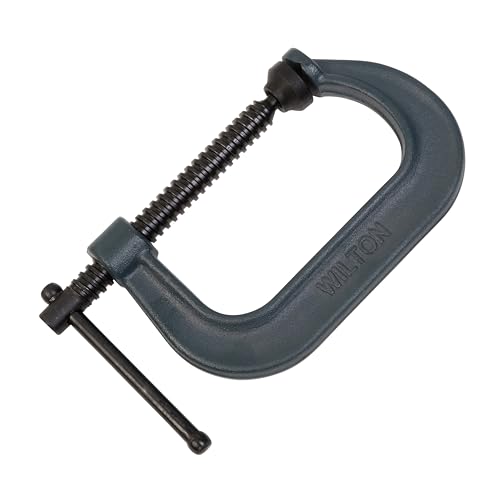
Wilton 4-1/4" Opening C-Clamp (6200 lb) 3-1/4" Throat
Wilton
Mid-Range
IRWIN QUICK-GRIP 100 Series Deep Throat C-Clamp, 3" by 4.5" (Pack of 5)
IRWIN
Mid-RangeRoundups
Frequently Asked Questions
How do I choose the right C-clamp size and throat depth for my project?
Select a clamp with a throat depth that reaches past the edge of the workpiece to where pressure is needed, and a jaw opening (capacity) at least 1–2 inches larger than the thickest material you plan to clamp. For heavy woodworking or metalwork, choose larger capacities and deeper throats; for light tasks, smaller clamps are more convenient
What materials and construction should I look for to ensure durability?
Look for clamps made from forged steel, ductile iron, or heat-treated carbon steel for strength and wear resistance; plated or powder-coated finishes reduce corrosion. Check for solid threaded spindles, reinforced screw threads, and swivel pads for even pressure distribution
Are there types of C-clamps designed to reduce marring or protect finished surfaces?
Yes—many C-clamps include or accept removable protective caps, rubber pads, or wooden blocks to prevent surface damage; some models have larger swivel-faced jaws to spread pressure and reduce marks on delicate materials
How much clamping force can I expect, and how is it measured?
Clamping force varies by size and build; smaller hand clamps provide hundreds to a few thousand pounds of pressure, while heavy-duty models deliver several thousand pounds. Manufacturers may state rated force, but for general use choose a robust construction for higher torque on the screw when more force is needed
What maintenance is required to keep a C-clamp working properly?
Keep the screw and threads clean and lightly lubricated with oil to prevent binding and corrosion; inspect for bent frames, stripped threads, or worn swivel pads and replace clamps that show structural damage. Store clamps in a dry place to avoid rust
How do C-clamps compare to bar clamps or pipe clamps for different jobs?
C-clamps are compact and excellent for point clamping, corner work, and holding parts during welding or gluing, while bar and pipe clamps offer greater reach and parallel pressure for panel glue-ups or large assemblies. Choose C-clamps for tight spaces or multiple small holds, and bar/pipe clamps for long spans
What safety considerations should I follow when using C-clamps?
Ensure the clamp is properly seated and tightened evenly to avoid slippage; do not exceed the clamp's structural limits or use cheater bars on the handle, and keep fingers clear of the jaw area when tightening. Replace clamps with cracked frames or compromised screws to prevent sudden failure