Cabinet & Furniture Locks
This category covers cabinet and furniture locks — including cam locks, drawer locks, sliding-door locks, and replacement cores — for residential and light industrial use. It aggregates 24 indexed products with an average rating of 4.45 and mid-range pricing (about $35–$100), with brands like Kenning represented
Top Products

Admiral Locks Tubular Cam Lock – Keyed Alike, Chrome (5 pack, 5/8")
Admiral Locks
Budget
Urban August Keyed Adjustable Zip Tie Lock – 3 Pack
Urban August
Budget
Tubular cam lock set with 2 keys each, 5-pack (5/8")
Admiral Locks
Mid-Range
Admiral Locks Tubular Cam Lock, Keyed Alike (Chrome) 5-pack
Admiral Locks
Budget
Skyla Homes Magnetic Cabinet Locks (20 Pack) – no-tools installation
Skyla Homes
Mid-Range
Refrigerator lock set, heavy duty combination lock (4-pack)
Coipdfty
Budget
Cam Locks Cabinet Locks 1-1/8" Keyed Alike (12 pcs) Zinc Alloy
Sissinda
Budget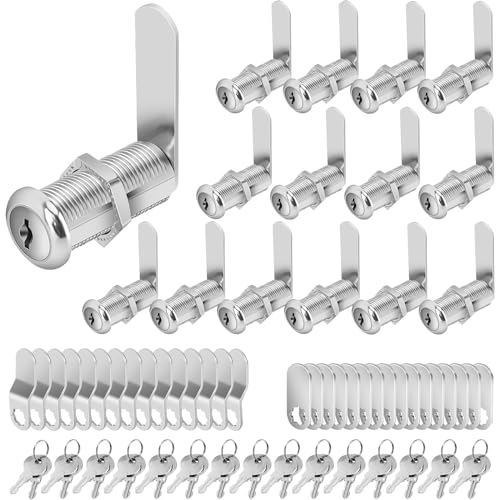
Cabinet Lock Set: 1-1/2" Cam Locks, Keyed Alike, 15 Pack
Cylinnda
Mid-Range
Kenning cabinet locks with keys, 24-set for drawers and mailbox
Kenning
Budget
Cam Locks Cabinet Locks Set, 1-1/8" Keyed Alike, 16 pcs
Pertinel
Mid-Range
Refrigerator Lock - Heavy Duty Combination Lock for Cabinets
Coipdfty
Budget
Adhesive Magnetic Lock System (8 Locks, 2 Keys)
Safety 1st
Mid-Range
Thumb Cam Locks 10Pcs 5/8 Lock for cabinet & compartments
Sartatue
Budget
Cabinet Locks with Keys, 5/8" Cam Locks Keyed Alike (20 Pack)
Cylinnda
Mid-Range
Thumb cam locks for cabinets (7/8 inch) 10Pcs
Sartatue
Budget
Tubular Cam Lock Set with 2 Keys each (Chrome, 10-pack, 5/8")
Admiral Locks
Mid-Range
Cabinet cam locks with keys, 1-1/8 inch, 20 pack
Cylinnda
Mid-Range
Kenning Cabinet Locks with Keys (24-pcs) for drawers, mailboxes, RV
Kenning
Budget
Gun Safe Lock Replacement Solenoid with 2 Keys & Keypad
WAH LIN PARTS
Mid-Range
Kenning 24-pc cabinet lock set with keys (1-1/2'' cylinder, 1.3'' panel)
Kenning
Mid-Range
Kenning Cabinet Locks 24 pcs with keys, 1-1/8" cylinder
Kenning
Mid-Range
Drawer System Locks - 2-Pack
DECKED
Mid-Range
Drawer System Locks - 3-Pack
DECKED
Mid-Range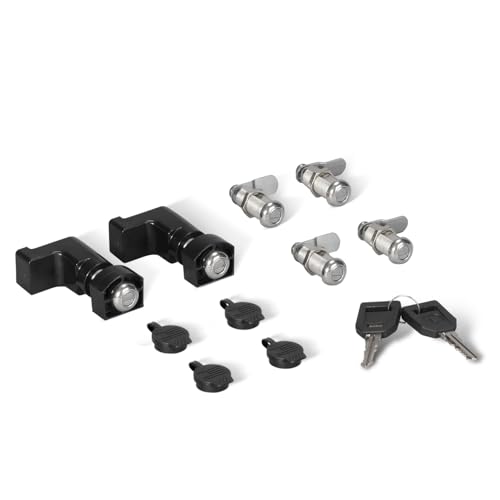
Drawer System Locks - 6-Pack
DECKED
Mid-RangeRoundups
- Best Cabinet & Furniture Locks for Storage Boxes (2026)
- Best Cabinet & Furniture Locks for Cabinet Storage (2026)
- Best Cabinet & Furniture Locks for Rv Storage Compartments (2026)
- Best Cabinet & Furniture Locks Under $200 (2026)
- Best Cabinet & Furniture Locks Under $100 (2026)
- Best Cabinet & Furniture Locks Under $50 (2026)
- Best Cabinet & Furniture Locks (2026 Guide)
Frequently Asked Questions
How do I choose the right type of cabinet or furniture lock for my application?
Match the lock style (cam, drawer, cabinet, padlock hasp, or cylinder) to the furniture type and mounting method, check required security level (basic privacy vs. high-security), confirm dimensions and backset for fit, and choose a keying option (unique, keyed-alike, or master-keyed) that fits your access needs
What materials and finishes should I look for to ensure durability?
Look for locks made from solid brass, stainless steel, or zinc alloy for corrosion resistance and longevity; pick finishes (brushed nickel, chrome, powder-coat) that match furniture and are rated for wear or rust resistance in the product specs
How much do cabinet and furniture locks typically cost and what affects price?
Prices commonly range from budget options under $25 up to $200+ for heavy-duty or keyed-master systems; factors that affect price include material quality, keying system complexity, brand, and whether the lock is specialty (high security, fire-rated, or electronic)
What keying options are available and how do I decide between them?
Common options are keyed-unique (each lock has its own key), keyed-alike (one key opens multiple locks), and master-keyed (hierarchical access); choose keyed-alike for convenience, unique for individual security, and master-keyed for multi-level access control
Are there electronic or smart options in this category and what should I consider?
Yes — some cabinet locks offer battery-powered electronic or RFID access; consider power source and battery life, retrofit compatibility, fail-safe vs. fail-secure behavior, and whether you need audit trails or network connectivity
How do I measure and prepare my furniture for installation?
Measure door or drawer thickness, hole diameter and backset if replacing an existing lock, and check clearance inside the cabinet for the lock body; verify mounting screws and reinforcement plates if required by the lock specifications
What maintenance is required to keep cabinet and furniture locks working reliably?
Keep keyways clear of debris, lubricate moving parts annually with graphite or silicone-based lubricant (avoid oil-based products that attract dirt), tighten mounting hardware periodically, and replace worn keys or damaged cylinders promptly