Cable & Chain Locks
This category covers cable and chain locks for securing bikes, equipment, gates, and tools, including braided cables, hardened chains, and combination or keyed padlock styles. Fourteen products average a 4.74 rating and range from budget to premium options, with brands like Master Lock represented
Top Products

BV 30ft security cable with loops, 10mm braided steel
BV
Budget
Lumintrail Heavy-Duty Security Cable with Vinyl Coating
Lumintrail
Mid-Range
Lumintrail Heavy-Duty Security Cable with Vinyl Coating
Lumintrail
Mid-Range
Lumintrail Heavy-Duty Security Cable, Vinyl Coated Braided Steel (4'–30')
Lumintrail
Budget
Master Lock steel bike lock cable and heavy duty padlock
Master Lock
Mid-Range
Master Lock bike cable & outdoor padlock set
Master Lock
Mid-Range
20ft Galvanized Security Cable with Loops
Vascer
Mid-Range
Master Lock Python Trail Camera Cable Locks 8-Pack CAMO
Master Lock
Premium
30 ft galvanized security cable with loops
Vascer
Mid-Range
Master Lock adjustable cable lock, 6 ft. (2-pack) camouflage
Master Lock
Mid-Range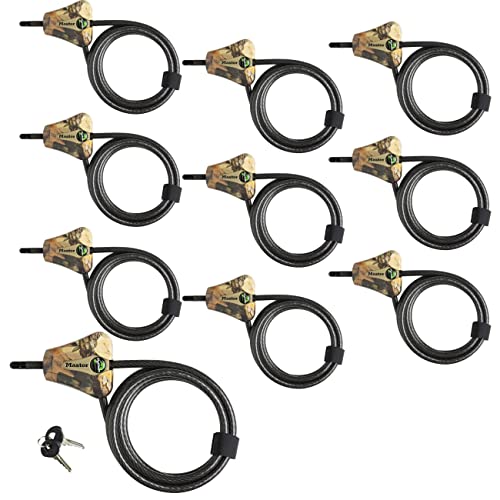
Master Lock Python Trail Cable Locks 10-pack, adjustable
Master Lock
Premium
Master Lock Python trail camera cable locks kit 12-pack
Master Lock
Premium
Master Lock Python Trail Camera Adjustable Cable Locks 20-Pack
Master Lock
Premium
Master Lock Trail Camera Cable Locks, 16-keyed-alike, 8mm braided steel
Master Lock
PremiumRoundups
Frequently Asked Questions
How do I choose the right cable or chain lock for my needs?
Choose based on what you need to secure and where: heavier chains (hardened steel, thicker links) or thicker braided cables resist cutting better for high-risk areas; lighter, flexible cables are easier to transport for low-risk use. Consider lock type (key vs. combination), shackle diameter or cable thickness, length to fit the items, and any mounting or carry features
What security ratings or materials should I look for?
Look for hardened steel chains and sleeves that resist bolt cutters, and braided or multi-strand steel cables with protective coatings to reduce abrasion. Some products list security ratings from independent test bodies—higher ratings generally indicate better resistance to cutting, picking, and impact
How does lock type (key vs. combination) affect security and convenience?
Key locks typically offer slightly higher tamper resistance but require carrying a key or using a key retention solution; combination locks avoid keys and are convenient for shared use or frequent access but may be more vulnerable to guessing or manipulation if low quality. Choose based on whether convenience or resistance to forced entry is the priority
What length and thickness should I get for securing a bike, tool chest, or gate?
For bikes: 4–6 foot lengths are common to loop around frame and fixed object; thickness 10–16 mm for chains or 8–12 mm for braided steel cables provide stronger resistance. For tool chests and gates: longer lengths as needed and thicker/heavier-duty chains (12 mm+) or high-security cables to deter cutting
How should I maintain a cable or chain lock to extend its life?
Keep moving parts lubricated with a lock-appropriate lubricant, wipe off dirt and moisture, store indoors when possible, and check protective coatings for wear; replace any lock with visible corrosion, frayed strands, or damaged mechanisms to maintain security
Are there anti-theft features I should look for beyond material and thickness?
Yes—features include double-bolting shackles, anti-pick cylinder designs, anti-drill plates, protective sleeves to prevent cutting points, and tamper-resistant link profiles. Also consider whether the lock has mounting hardware or carrying solutions to reduce exposure while in use
What price range reflects reasonable options for different security levels?
Budget, lower-security options can be found under $50; mid-range locks offering better materials and features commonly fall between roughly $50–$150; heavier-duty, specialized chains and high-security locks typically exceed that range. Match spending to the value of the item being protected and the local theft risk