Carbon Fiber Tubes
Carbon fiber tubes for tools and industrial use, including rigid booms, shafts, and structural tubing in various diameters and wall thicknesses. The 28 indexed products average a 4.70 rating and range from about $33 to $80, with brands like ARRIS and cncarbonfiber represented
Top Products

ARRIS 4PCS Carbon Fiber Tubes 10mm x 8mm x 420mm
ARRIS
Budget
ARRIS 12mm carbon fiber tubes (4 pcs), 12x10x500mm, 1mm wall
ARRIS
Mid-Range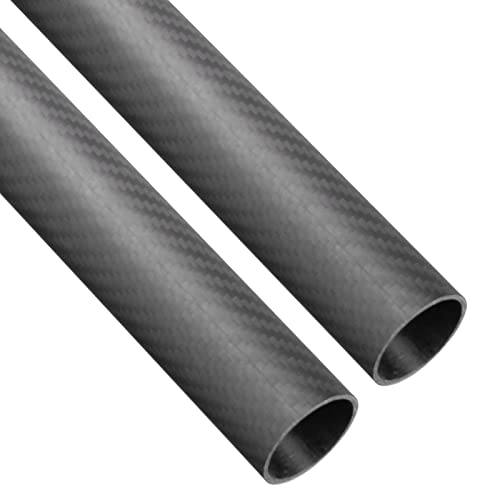
500mm carbon fiber tubes 32mm OD 30mm ID (2pcs) matte 3K roll wrapped
FANCYWING
Budget
ARRIS 8mm carbon fiber tubes (4 pcs) 8x6x420mm matte
ARRIS
Budget
ARRIS 4pcs 400mm Carbon Fiber Tubes 22mm OD 20mm ID 1mm thk
ARRIS
Mid-Range
Carbon Fiber Tubes 20mm OD x 18mm ID x 500mm (4pcs) matte 3K roll wrapped
FANCYWING
Mid-Range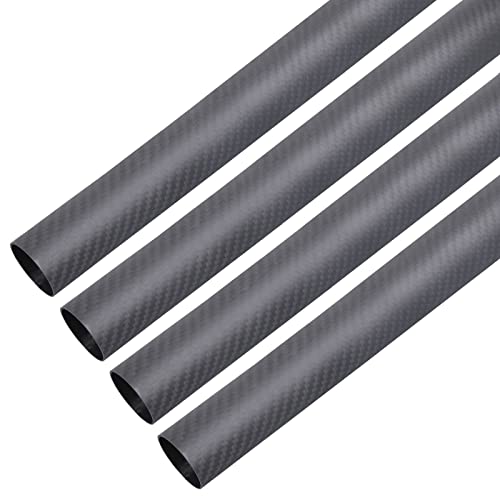
Matte finish carbon fiber tubes (4 pcs) 420mm 40x37mm
ARRIS
Budget
ARRIS carbon fiber tubes 18mm 16mm 500mm 4pcs glossy
ARRIS
Mid-Range
Carbon fiber tubes 25mm OD, 22mm ID, 500mm length (2 pcs) 3K roll wrapped
FANCYWING
Budget
500mm carbon fiber tubes 30x28mm gloss roll wrapped 3K (2pcs)
FANCYWING
Budget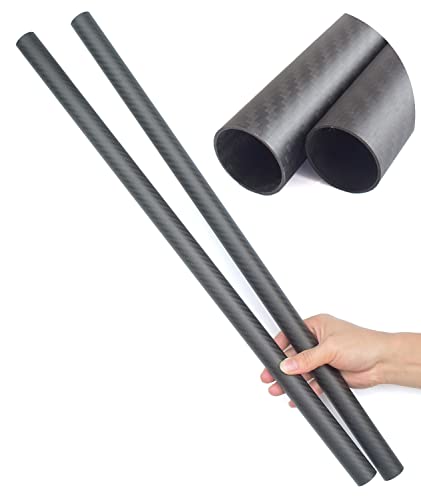
600mm Carbon Fiber Tube, 25x23mm, 3K Twill Matte
cncarbonfiber
Budget
500mm carbon fiber tubes 8x10mm 3K wrap (4pcs) glossy
FANCYWING
Budget
4pcs carbon fiber tube 600mm 16x14x600mm twill matte
cncarbonfiber
Mid-Range
Carbon Fiber Tube 32x30x500mm, 6–50mm Options, 3K Twill Matte
cncarbonfiber
Budget
ARRIS 20mm carbon fiber tubes, 500mm, 4 pcs, matte finish
ARRIS
Mid-Range
30mm carbon fiber tube 500mm length, 1.5mm wall, 3K twill matte
cncarbonfiber
Budget
Carbon Fiber Tube 16x14x500mm, 3K Twill Matte
cncarbonfiber
Budget
Carbon Fiber Tube 600mm 10x8x600mm, 3K Roll Wrapped
cncarbonfiber
Budget
Carbon Fiber Tube 25x23x500mm, 6–50mm ID range, 3K twill matte finish
cncarbonfiber
Budget
ARRIS carbon fiber tubes 4pcs 30mm x 28mm x 500mm
ARRIS
Mid-Range
Carbon Fiber Tube 50x47x500mm, 6–50mm range, 3K twill matte
cncarbonfiber
Budget
Carbon Fiber Tubes 4Pcs 37x40x500mm Glossy 3K
ARRIS
Mid-Range
600mm Carbon Fiber Tube, 50x47mm, 3K Twill Matte
cncarbonfiber
Mid-Range
3K Carbon Fiber Tubing 21–30mm x 1000mm Roll Wrapped
Abesterxox
Mid-RangeRoundups
Frequently Asked Questions
How do I choose the right diameter and wall thickness for a carbon fiber tube?
Select diameter based on the part or assembly fit and wall thickness for the required stiffness and strength; thicker walls increase bending stiffness and compressive strength while thinner walls save weight. Check load, deflection, and buckling requirements for your application and match tube outer diameter, inner diameter, and layup spec to those needs
How should I measure and compare stiffness and strength between tube options?
Compare stiffness using the bending modulus or moment of inertia (depends on diameter and wall thickness) and compare strength by tensile and compressive strength ratings or manufacturer-provided load limits. For practical selection, use manufacturer datasheets with mechanical properties and calculate expected deflection or safety factor for your specific loading scenario
What mounting, cutting, and joining methods work best for carbon fiber tubes?
Use precision cutting tools (diamond or carbide blades) with dust extraction and personal protection; join with epoxy adhesives designed for composites, mechanical fittings with internal sleeves to prevent crushing, or threaded inserts/bonded end caps for fastening. Avoid drilling without proper backing and use clamping or sleeve reinforcement to prevent split or delamination
How do I protect and maintain carbon fiber tubes to maximize lifespan?
Protect UV-exposed surfaces with UV-stable paint or clearcoat if the resin is not UV resistant, avoid sharp impacts and excessive abrasion, and clean with mild soap and water; inspect periodically for cracks, delamination, or resin damage and repair small surface damage with appropriate epoxy to stop further deterioration. Do not use strong solvents that can degrade the resin
Are carbon fiber tubes safe to use in high-temperature or corrosive environments?
Performance at elevated temperatures depends on the resin system—some epoxies soften above their glass transition temperature—so verify the tube's maximum service temperature from specifications. Carbon fiber itself is corrosion-resistant, but end fittings and adhesives must be chosen for any chemical exposure or galvanic concerns with dissimilar metals
What price range should I expect and how does cost relate to quality?
Carbon fiber tubes typically range from budget options under $50 for small-diameter or thin-wall tubes to several hundred dollars for large-diameter, high-modulus, or precision-controlled layups; higher cost generally reflects better fiber quality, tighter dimensional tolerances, specialized resins, and more complex layups. Match the price tier to your application requirements to avoid overspending on unneeded performance