Carbon Monoxide Detectors
This category covers plug-in, battery, and hardwired carbon monoxide detectors and combo units for home and industrial use, spanning budget through mid-range options. Average rating is 4.58 across 145 indexed products, with top brands including Kidde and First Alert and prices typically $32–$214 (avg $62)
Top Products
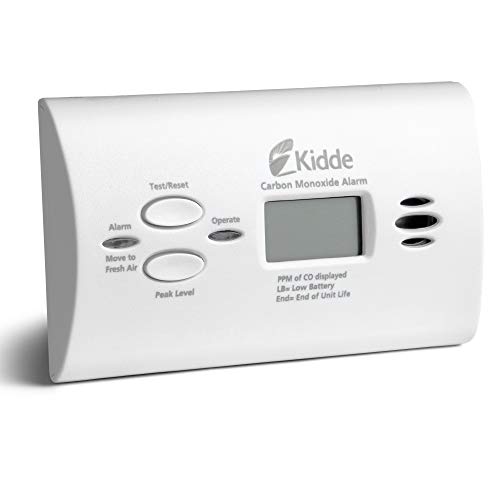
Kidde CO detector with battery power, LEDs, test/reset
Kidde
Budget
Kidde plug-in carbon monoxide detector with battery backup
Kidde
Mid-Range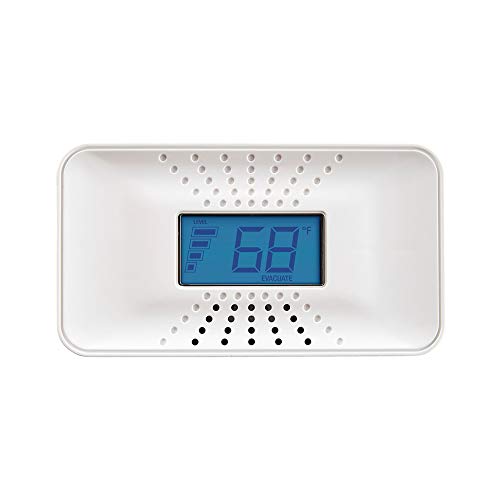
First Alert CO710 Carbon Monoxide Detector with 10-Year Battery
First Alert
Budget
First Alert CO400-3 3-Pack Battery CO Detector
First Alert
Mid-Range
Kidde plug-in carbon monoxide detector with battery backup
Kidde
Mid-Range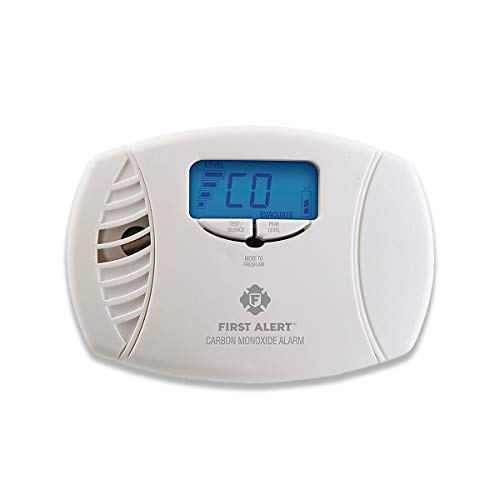
First Alert dual-power plug-in CO detector with battery backup
First Alert
Budget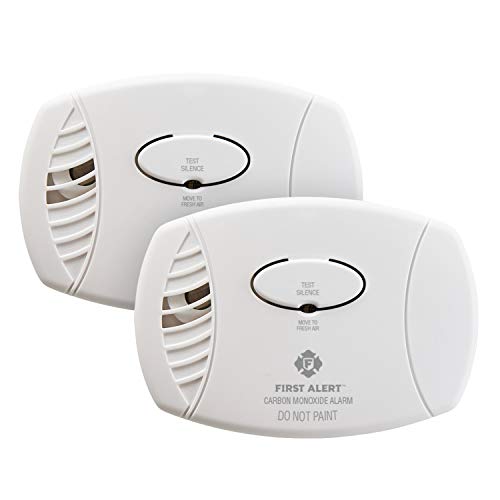
First Alert CO detector 2-pack battery operated
First Alert
Mid-Range
First Alert Carbon Monoxide Alarm CO250
First Alert
Budget
Carbon monoxide detector with LED display, battery powered
JYSONGHU
Mid-Range
Kidde 10-year battery CO detector with test-reset
Kidde
Mid-Range
3 Pack Smoke and Carbon Monoxide Detectors with Battery Power
JNHCD
Mid-Range
Plug-In Carbon Monoxide Detector 3-Pack with Battery Backup
First Alert
Mid-Range
Kidde CO detector with 10-year battery, digital display
Kidde
Mid-Range
WESHLGD 3-in-1 Plug-in CO Detector with temp & humidity
WESHLGD
Budget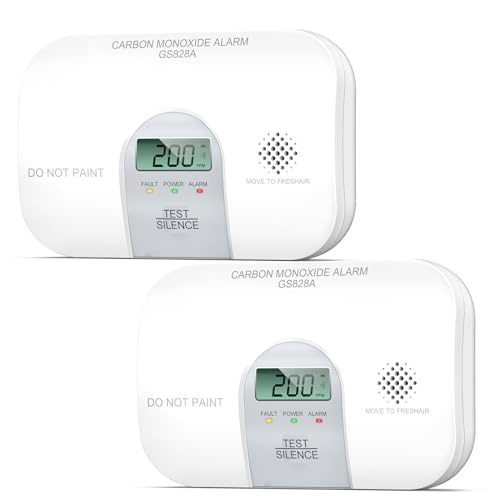
Siterwell carbon monoxide detector with LCD display (2-pack)
SITERWELL
Mid-Range
X-Sense Wi-Fi Plug-in CO detector with battery backup
X-Sense
Mid-Range
4-in-1 Upgraded Gas & CO Detector with Temperature & Humidity (Plug-in)
NORJAN
Mid-Range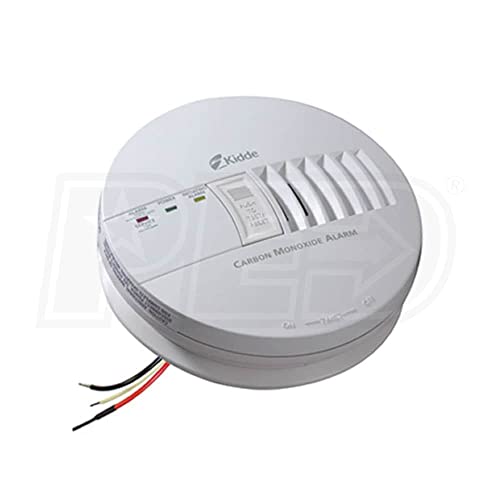
Kidde hardwired carbon monoxide detector with battery backup
Kidde
Mid-Range
Kidde Plug-In CO Detector with 9-Volt Battery Backup and Digital LED
Kidde
Mid-Range
Carbon Monoxide Detector with temperature & humidity sensor
KH Alert
Budget
First Alert CO detector with hardwired power
First Alert
Mid-Range
4-in-1 plug-in CO and gas detector with HD display
gutong
Mid-Range
2 Pack Carbon Monoxide Detectors 3-in-1 Plug-in with Temp & Humidity
PROTECTMETER
Budget
Combination Gas & Carbon Monoxide Detector with Plug-in Display
Hembisen
BudgetRoundups
Frequently Asked Questions
How do I choose the right type of carbon monoxide detector for my home or workspace?
Choose between plug-in, battery-powered, or hardwired units based on installation needs; look for detectors that use electrochemical sensors (most accurate for CO), have a clear digital readout and loud alarm, and meet local building codes or UL/CSA certification requirements
How many detectors do I need and where should I place them?
Install at least one detector on every level of the building, outside sleeping areas and near attached garages or fuel-burning appliances; place at least one in each bedroom area and on the main living level, and follow manufacturer placement guidelines for optimal detection
What features should I look for when comparing models?
Key features include sensor type (electrochemical preferred), digital CO ppm display, end-of-life and low-battery alerts, mute/test button, battery backup for hardwired units, and a clear decibel rating for the alarm; optional features include Bluetooth or wired interconnectivity and data logging
How long do carbon monoxide detectors last and how do I maintain them?
Most CO detectors have an operational life of 5 to 10 years; test monthly, replace batteries per manufacturer recommendations (or annually for non-sealed models), clean vents gently with a vacuum, and replace the unit when it reaches its end-of-life indicator
Are battery-only detectors reliable or should I choose hardwired models?
Battery-only detectors are reliable when batteries are maintained and are suitable for many installations; hardwired detectors with battery backup offer continuous power and interconnect capability, which can be preferable for multi-unit or new-construction installations
How do certification and standards affect my purchase decision?
Look for certification marks from recognized testing labs (e.g., UL or CSA) to ensure the detector meets safety and performance standards; certified units have been tested for sensitivity, alarm thresholds, and reliability
What should I do if the detector alarm sounds or shows elevated CO levels?
Immediately move everyone to fresh air outdoors or to an area with fresh air, call emergency services if anyone is symptomatic, ventilate the space if safe, and have a qualified technician inspect fuel-burning appliances and ventilation before re-entering for extended periods