Carpentry Squares
Carpentry squares include try squares, combination squares, framing squares and layout tools used for measuring and squaring wood and metal in construction and woodworking. This category spans budget through premium options (average price ~(price varies)) and features brands like Starrett among 19 indexed products with an average rating of 4.57
Top Products
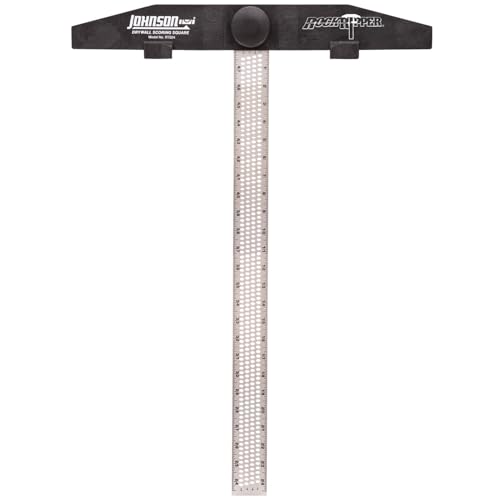
Johnson RockRipper 24" Drywall Square with Structo-Cast head
Johnson
Mid-Range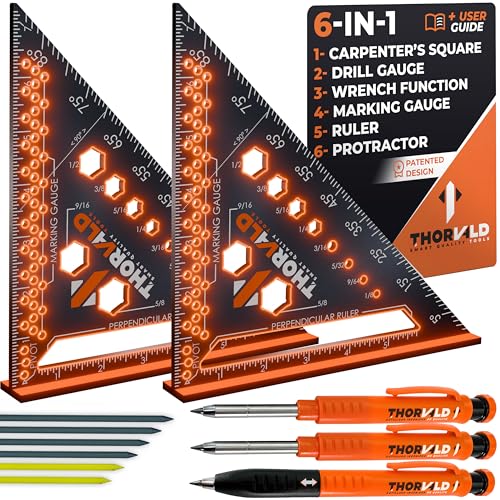
THORVALD 2 Carpenter Square 7 inch with 2 pencils + 12 leads
THORVALD
Budget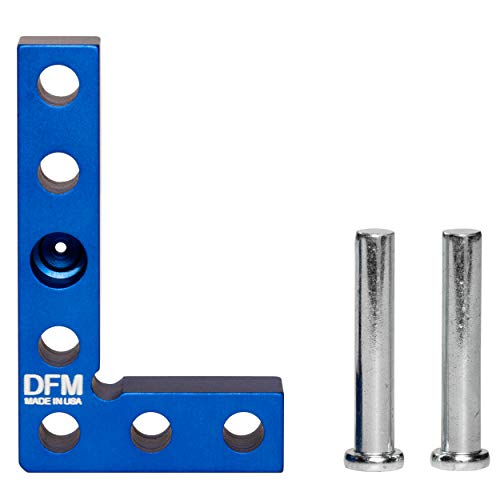
Small Square and Center Finder with 11/32" center hole
DFM Tool Works
Budget
Johnson 1904-0700V Johnny Square MACH-1 Smart Mark Rafter Square with Level Vial
Johnson
Mid-Range
Kapro 317 Adjustable Drywall T-Square - Aluminum, Sliding Head, 48 inch
KAPRO
Budget
Johnson CS9 steel framing square 16 x 24 (pack of 2)
Johnson
Budget
iGaging 6" 3-Piece Combination Square with Center Head
iGaging
Mid-Range
Pacific Arc 42 Inch T Square with Detachable Head
Pacific Arc
Mid-Range
Pacific Arc 36-inch T Square with detachable head
Pacific Arc
Budget
iGaging 6" & 12" combination square set with 4R blades
iGaging
Mid-Range
Starrett 4
Starrett
Premium
iGaging 12" 4R Combination Square
iGaging
Mid-Range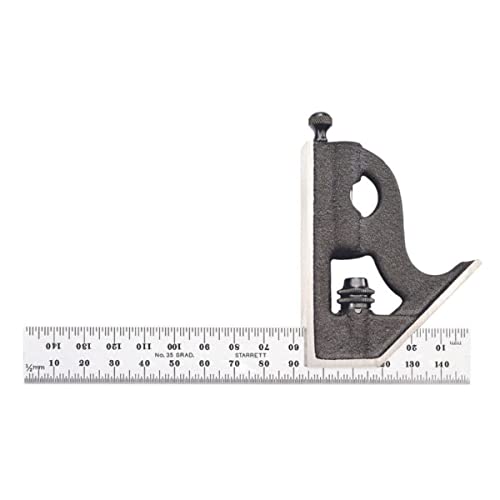
Starrett steel combination square with square head, 150mm blade
Starrett
Premium
Starrett 6" steel combination square with cast iron head
Starrett
Premium
POWERTEC 38in Machinist Aluminum Straight Edges & 3pc L-Square
POWERTEC
Mid-Range
iGaging 24" combination square 4-piece with center protractor
iGaging
Mid-Range
Starrett 6" Steel Combination Square with Square Head
Starrett
Premium
Starrett 12" steel combination square with center head
Starrett
Premium
Starrett 12" steel combination square with center head
Starrett
PremiumRoundups
Frequently Asked Questions
How do I choose the right type and size of carpentry square for my projects?
Select a square based on task: try a combination or framing square (12–24 in.) for layout and rafter work, a try square (4–8 in.) for edge and joinery checks, and a precision engineer’s square for fine machinist-style accuracy; consider blade length, stock thickness, and whether you need metric, imperial, or dual markings
What accuracy and material should I look for in a carpentry square?
Look for hardened steel or stainless steel for durability and stable edges; accuracy is typically specified in degrees or arcminutes—shop for squares with certified right-angle accuracy if your work demands tight tolerances and avoid cheap stamped metal if straightness and wear resistance matter
Are digital or adjustable squares worth the extra cost compared with fixed squares?
Digital and adjustable squares add features like angle readouts and repeatable bevels useful for complex angles and layout, but fixed precision squares are simpler, more durable, and often sufficient for pure 90° checks; choose digital if you need quick angle measurements beyond basic squaring
How should I maintain and store carpentry squares to keep them accurate?
Keep squares clean and dry, wipe off pitch or debris after use, store them flat or hung to avoid bending, and avoid dropping or using them as pry bars; periodically check against a known reference or a milled surface and recalibrate or replace if you detect wear or twist
What price range should I expect for carpentry squares and how do prices correlate with quality?
Expect a wide range—basic try or combination squares are commonly priced under $50 while higher-precision, branded or larger framing squares often range higher; generally, increased price correlates with better materials, tighter tolerances, and more durable markings
What markings and scale features are most useful on a carpentry square?
Useful markings include clear imperial and/or metric scales, graduated graduations for common layout increments, and scribe or center-finding markings; deep-etched or laser-engraved scales resist wear better than painted markings
Can I use a carpentry square to check and lay out non-90° angles?
Many carpentry tasks require other tools for non-90° angles; use framing squares with common hip/val tables, adjustable bevels, sliding T-bevels, or digital protractors for precise non-right angles—some combination squares include adjustable heads to transfer angles