Check Valves
Check valves for industrial and plumbing use that prevent backflow in fluid systems, including swing, spring, and piston styles. The 14 indexed products average a 4.57 rating and span budget to mid-range prices (about $33–$223), with brands like SYWUWV represented
Top Products

3/8-in compression check valve assembly
T&S Brass
Budget
Inline spring-loaded check valve 1-1/4 in FIP lead-free
Midline Valve
Budget
Valterra 2
Valterra
Budget
UPVC True Union Swing Check Valve 1" Slip
SANKING
Mid-Range
FibroPool 2 Inch 2-Way Check Valve, Positive Seal, Non-Lube
FibroPool
Mid-Range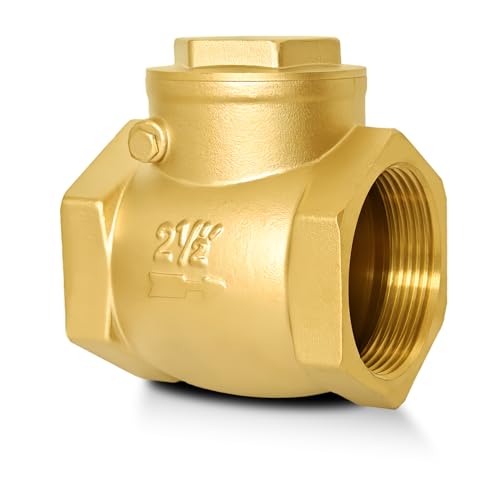
2-1/2" NPT Brass Check Valve, Non Return Swing Valve
SYWUWV
Mid-Range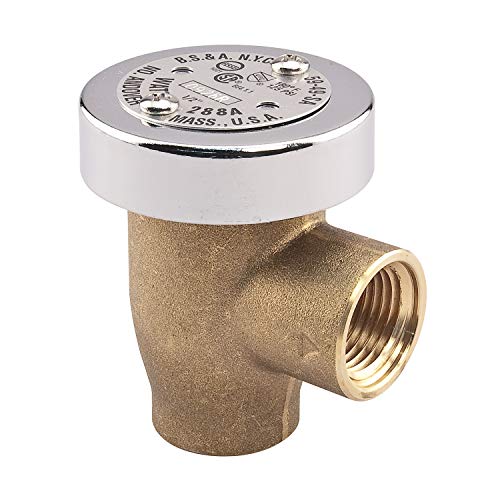
Watts 3/4" Lead-Free Anti-Siphon Vacuum Breaker
Watts
Mid-Range
3" NPT Stainless Steel Spring Check Valve
SYWUWV
Mid-Range
3" NPT Brass Check Valve, Non Return Swing, 1-way Flow
SYWUWV
Mid-Range
3/4" 720A Pressure Vacuum Breaker Assembly
LTLUO
Mid-Range
3" NPT Stainless Steel Check Valve (Non-Return Swing)
SYWUWV
Mid-Range
Zurn Wilkins 1-350 1" 350 Double Check Backflow Preventer
Zurn
Premium
Foot Valve with Filter 4" NPT Brass Bottom Valve
SYWUWV
Premium
4" NPT Stainless Steel Check Valve, Horizontal Swing Non-Return
SYWUWV
PremiumRoundups
Frequently Asked Questions
How do I choose the right check valve size and connection type for my system?
Match the valve's nominal pipe size and connection type (threaded, flanged, or soldered) to your existing piping and fittings, and check the valve’s flow coefficient (Cv) or pressure drop specs to ensure adequate flow capacity for your system’s operating pressure and flow rate
What materials should I look for based on the fluid and operating conditions?
Select valve body and seat materials compatible with the fluid and temperature—bronze, brass, and stainless steel are common for water and many liquids, while stainless or specialty alloys suit corrosive fluids or high temperatures; also confirm seals and internal components are chemically compatible
What are the main types of check valves and how do they differ in performance?
Common types are swing, lift (piston), and ball check valves: swing valves are good for low-pressure, low-turbulence applications, lift valves offer quicker closure and lower leakage at higher pressures, and ball checks are compact and handle brief flow reversal well; each has different pressure drop and maintenance characteristics
How do I determine if a check valve's pressure rating and cracking pressure suit my application?
Compare the valve’s maximum working pressure and specified cracking pressure to your system’s maximum operating pressure and the minimum pressure required to start flow; ensure the cracking pressure is lower than the minimum system pressure during normal operation to avoid flow restriction
What maintenance and installation practices reduce failure and leakage risks?
Install valves in the correct flow orientation and with adequate straight-run piping upstream/downstream, avoid debris with strainers or filters, perform periodic inspections for wear or buildup, and replace worn seals or spring elements as recommended by the manufacturer
Are there performance trade-offs between cost and durability?
Lower-cost valves often use simpler materials and designs that may have shorter service life or higher leakage and pressure drop, while higher-priced valves typically use better alloys, tighter tolerances, and replaceable internals that improve durability and reduce long-term maintenance costs
How do I verify compatibility with safety or regulatory requirements?
Check for required certifications and material traceability such as NSF/ANSI for potable water, CE or PED for pressure equipment in certain regions, and any industry-specific standards relevant to your application, and review manufacturer datasheets for compliance statements