Chemical Acids
Industrial-strength chemical acids for laboratory, water treatment, and industrial use, including muriatic, sulfuric, phosphoric, and specialty oxidizers. Products range from budget to premium, with an average rating of 4.56 and top brands such as Alliance Chemical represented. Average price sits around $419 across 31 indexed items
Top Products

Oxalic Acid 99.6% crystals for rust removal and wood brightening
Florida Laboratories
Budget
Duda Energy Boric Acid Powder 10 lb (2 x 5 lb bags)
Duda Energy
Budget
75% Pure Vinegar - Concentrated Industrial Grade (4-Quarts)
Belle Chemical
Mid-Range
75% Pure Vinegar - Concentrated Industrial Grade (8-Quarts)
Belle Chemical
Mid-Range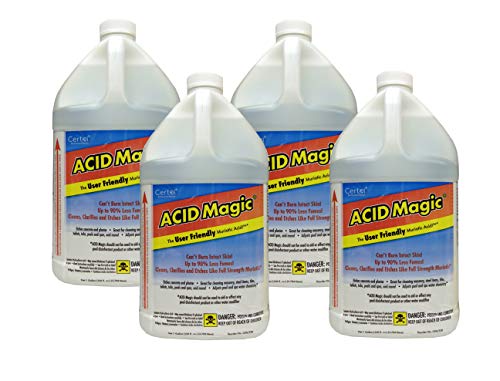
ACIDMagic Muriatic Replacement Acid for pools & concrete
ACID Magic
Mid-Range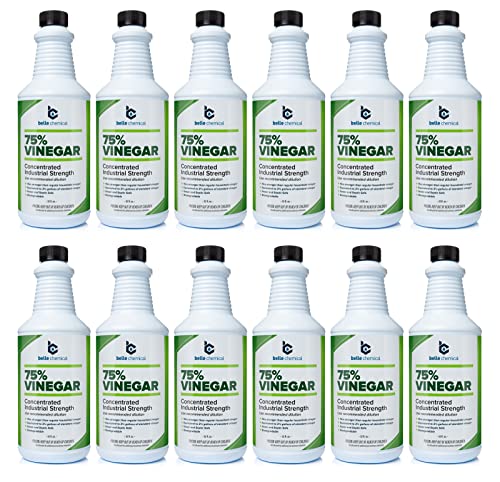
75% Pure Vinegar - Concentrated Industrial Grade
Belle Chemical
Premium
Oxalic Acid (8 lbs) 99.6% Pure for rust removal, wood cleaning
MAXTITE
Mid-Range
Duda Energy 1 Gallon Phosphoric Acid, 85% Food Grade
Duda Energy
Mid-Range
Chlorine Dioxide Solution Kit 8oz Glass Set for CDS Generation
CrystalClearlab Chlorine Dioxide
Budget
Belle Chemical 45% Vinegar Concentrated Industrial Grade (4-Gallons)
Belle Chemical
Mid-Range
Boric Acid Granular 8 lbs - Premium Industrial Grade H3BO3, MAXTITE
MAXTITE
Mid-Range
45% Pure Concentrated Vinegar - Technical Grade Cleaning Solution
Zeiff
Mid-Range
Duda Energy Citric Acid 50 lb Pail, Food Grade FCC/USP, Anhydrous
Duda Energy
Premium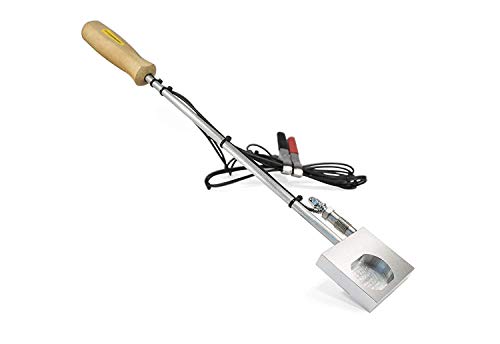
Varomorus Oxalic Acid 12V Vaporizer for Varroa Mite Treatment
Varomorus inc
Mid-Range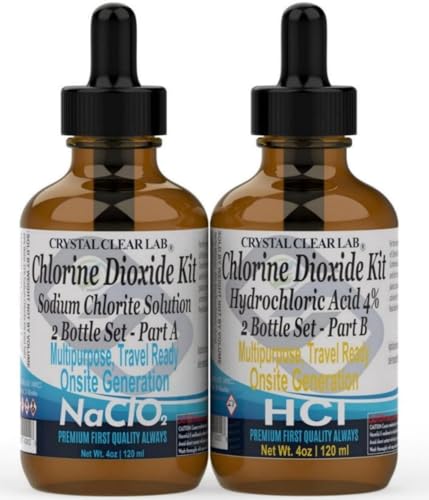
Crystal Clear Lab Chlorine Dioxide Kit 8oz Glass Set
CrystalClearlab Chlorine Dioxide
Budget
Duda Energy 55 lb Granular Boric Acid
Duda Energy
Premium
Hydrochloric Acid 31% (20 Baume) – 4 Gallon Case
Alliance Chemical
Premium
Phosphoric Acid 85% – Technical Grade, 1 Quart Bottle
Alliance Chemical
Budget
1ness Chlorine Dioxide Kit: 2-Part Liquid 8oz Set
1NESS PRODUCTS
Mid-Range
Hydrochloric Acid 37% Technical Grade (Alliance Chemical)
Alliance Chemical
Premium
The Original CD Set with Citric Acid 4 Ounce Bottles
NatriChlor
Budget
Chlorine Dioxide Kit | 2-part drops for sanitation
VitalChem
Budget
Boric Acid Fine Powder 40 lb Pail, 99.9% Pure
Ecoxall
Mid-Range
Phosphoric Acid 85% USP Food Grade - 1 Quart
Alliance Chemical
BudgetRoundups
Frequently Asked Questions
How do I choose the right type and concentration of chemical acid for an industrial task?
Select the acid based on the material you are treating, the required reaction strength, and compatibility with equipment; common choices include hydrochloric, sulfuric, and phosphoric acids in concentrations ranging from dilute (a few percent) to concentrated (>90%), and you should consult material safety data sheets and corrosion compatibility charts before selecting a concentration
What safety equipment and storage practices are required when handling industrial acids?
Use appropriate PPE such as acid-resistant gloves, goggles or face shield, aprons, and proper ventilation; store acids in labeled, corrosion-resistant secondary containment away from incompatible chemicals (e.g., bases, oxidizers) and follow spill-response and emergency eyewash/shower procedures
How do I estimate the cost and budget for purchasing industrial acids?
Costs vary by acid type, concentration, and quantity; small industrial containers may start at modest prices while bulk drums and specialty grades cost significantly more, with an average across this category around several hundred dollars per product—factor in shipping, hazardous-material handling fees, and storage requirements when budgeting
What compatibility issues should I check for with pumps, pipes, and storage containers?
Verify chemical compatibility with materials of construction—stainless steels, certain plastics (PTFE, HDPE), and glass have different resistance profiles depending on acid type and concentration—and choose lined or specialty materials if required to prevent corrosion and leaks
What certifications or regulatory considerations should I verify before purchasing?
Ensure the supplier provides proper hazard communication such as Safety Data Sheets (SDS), labeling compliant with GHS, and any required transport or workplace regulatory documentation; for certain uses, check for industry-specific purity or trace-metal specifications
How should leftover acid be disposed of or neutralized?
Neutralize small amounts with an appropriate base under controlled conditions while monitoring pH, or follow local hazardous-waste disposal regulations and use licensed hazardous waste carriers for larger volumes; never pour concentrated acids down drains without authorization
What maintenance practices reduce risk and extend equipment life when using acids?
Perform regular inspections for corrosion, leaks, and seal integrity; use proper filtration and concentration monitoring, maintain secondary containment, and replace sacrificial anodes or linings per manufacturer guidance to limit damage and downtime