Chemical Resistant Gloves
Chemical-resistant gloves for industrial and maintenance tasks, including nitrile, neoprene, and butyl styles that protect against acids, solvents, and oils. The category spans budget through premium options (56 products, average rating 4.58) with brands like SHOWA among the top sellers and an average price around $77
Top Products

Comfy Package Nitrile Heavy-Duty Disposable Gloves
Comfy Package
Mid-Range
Comfy Package Nitrile Gloves, 6 mil, heavy duty, black
Comfy Package
Mid-Range
Comfy Package Black Nitrile Heavy Duty Gloves
Comfy Package
Mid-Range
Comfy Package Black Nitrile Heavy-Duty Gloves
Comfy Package
Mid-Range
PACIFIC PPE 3 Pairs 26" Rubber Gloves
PACIFIC PPE
Mid-Range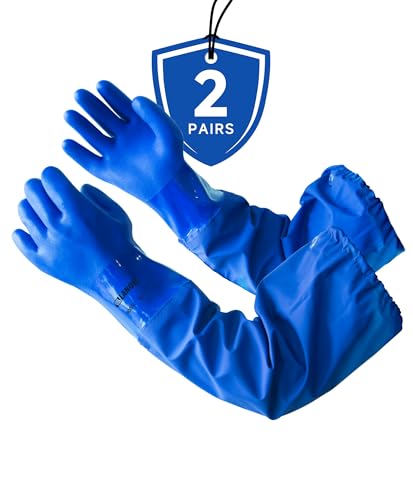
LANON PVC chemical resistant gloves 2-pair 26" elbow length
LANON Protection
Budget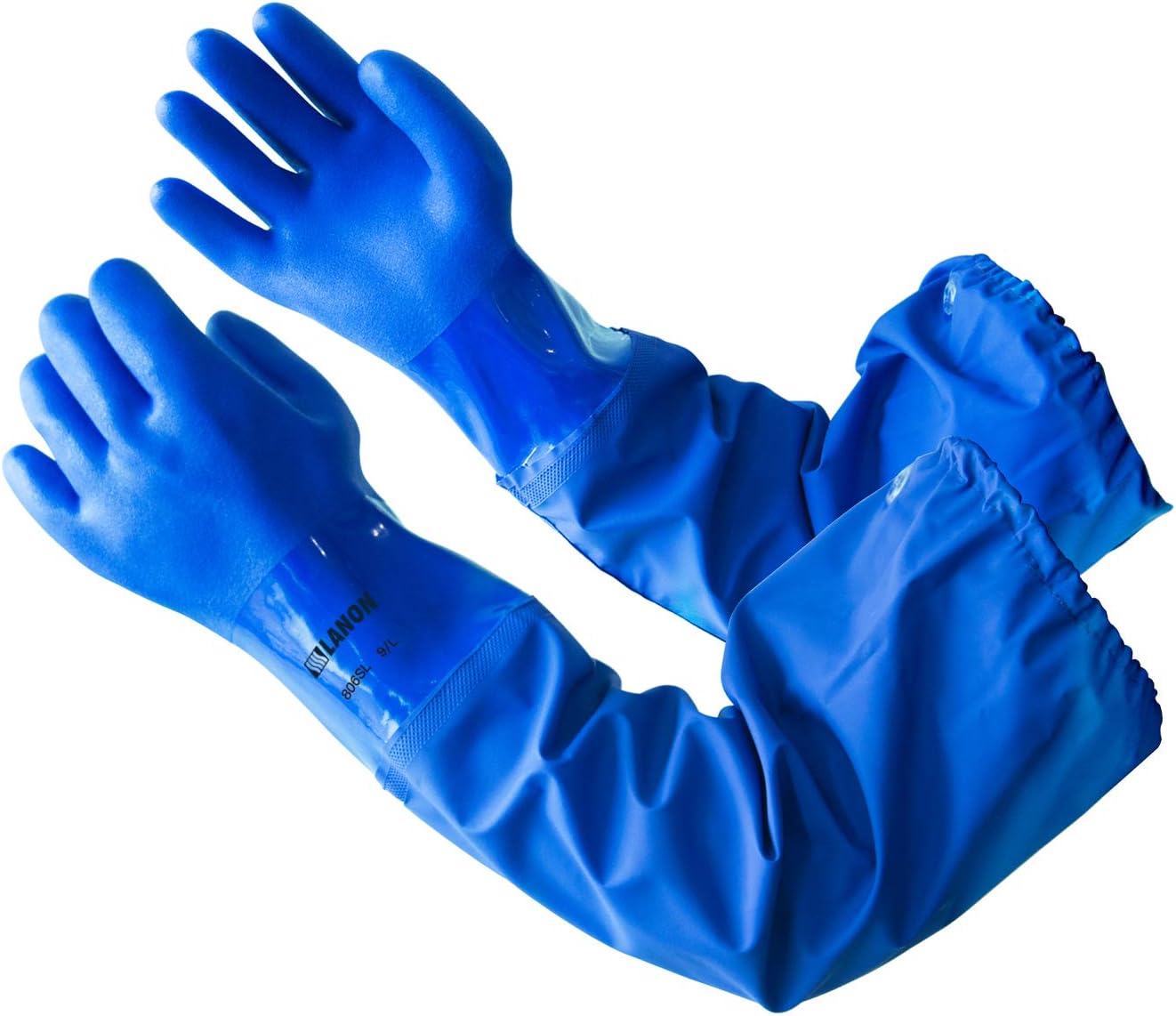
LANON PVC chemical resistant gloves, 2 pairs, 26" elbow length
LANON Protection
Budget
X3 Blue Nitrile Disposable Gloves, 3 Mil, Latex-Free
X3
Mid-Range
Inspire Black Nitrile Gloves - 6 Mil, Heavy Duty, Chem-Resistant
Inspire
Premium
SHOWA Atlas 660 PVC coated safety gloves, 12", Large (12 pair)
SHOWA
Mid-Range
LANON PVC chemical resistant gloves, 3 pairs, elbow-length
LANON Protection
Mid-Range
Nitrile Exam Gloves Latex Free & Powder Free 4 Mil
MEDPRAYER
Mid-Range
SHOWA Atlas 660 PVC Coated Chemical Resistant Gloves 12" X-Large (12 Pair)
SHOWA
Mid-Range
Nitrile Exam Gloves 4 Mil Latex Free & Powder Free
MEDPRAYER
Mid-Range
SHOWA Atlas 660 PVC coated chemical resistant gloves
SHOWA
Mid-Range
X3 Blue Nitrile Disposable Gloves, 3 Mil, Latex-Free
X3
Mid-Range
SHOWA Atlas 660 PVC coated chemical resistant safety glove, XX-Large (12 pair)
SHOWA
Mid-Range
Nitrile exam gloves 4 mil latex-free, powder-free
MEDPRAYER
Mid-Range
SHOWA Atlas 660 PVC coated safety gloves, 12" x-large (12 pair)
SHOWA
Mid-Range
Nitrile chemical resistant gloves, 20-pairs heavy duty (Large)
Potchen
Mid-Range
Chemical resistant nitrile gloves, 20 pairs, heavy duty (small)
Potchen
Budget
LANON PVC chemical resistant gloves, heavy-duty 26" elbow length, xl
LANON Protection
Mid-Range
Chemical resistant nitrile gloves, 20 pairs, medium
Potchen
Mid-Range
Liberty nitrile heavyweight gloves with safety cuff (xl, blue) – pack of 12
Liberty Glove & Safety
Mid-RangeRoundups
- Best Chemical Resistant Gloves for Household Cleaning (2026)
- Best Chemical Resistant Gloves for Cleaning Tasks (2026)
- Best Chemical Resistant Gloves for Food Prep (2026)
- Best Chemical Resistant Gloves for Chemical Handling (2026)
- Best Chemical Resistant Gloves Under $200 (2026)
- Best Chemical Resistant Gloves Under $100 (2026)
- Best Chemical Resistant Gloves Under $50 (2026)
- Best Chemical Resistant Gloves (2026 Guide)
Frequently Asked Questions
How do I choose the right chemical resistant glove material for my task?
Match glove material to the chemicals and exposure type: nitrile and neoprene resist oils, fuels, and many solvents; viton and butyl protect against strong acids, bases, and permeation by specific solvents; PVC and polyethylene are good for splash protection and mild acids. Consult chemical-resistance guides or glove manufacturer permeation charts for the specific chemicals and concentrations you handle
What glove length and cuff style should I look for?
Choose cuff length based on splash and immersion risk: basic wrist-length or gauntlet cuffs (6–12 inches) for routine hand protection and longer gauntlets (12–24 inches) when forearms need coverage. Ensure cuffs integrate with sleeves or aprons to prevent gaps
How should I select the right size and fit for comfort and safety?
Measure hand circumference at the widest part and compare to the supplier size chart; gloves should fit snugly without restricting movement or circulation. A proper fit reduces chemical ingress, improves grip, and decreases hand fatigue
What certifications or standards should I check for chemical resistant gloves?
Look for relevant standards such as EN 374 (chemical protection and permeation) and ANSI/ISEA 105 (chemical resistance and cut protection ratings) where applicable. Check for manufacturer test results for permeation breakthrough time and breakthrough rate for the chemicals of concern
How long do chemical resistant gloves last and when should I replace them?
Service life depends on material, chemical exposure, frequency of use, and wear; replace gloves immediately if you notice degradation, stains, swelling, thinning, holes, or a change in flexibility. For repeated use with specific chemicals, follow manufacturer guidance and perform regular inspections
Can chemical resistant gloves be reused and how should they be cleaned or stored?
Some gloves are reusable if compatible with the chemicals and cleaned per manufacturer instructions; rinse contaminants off, air dry inside out if recommended, and store in a cool, dry place away from direct sunlight and solvents. Single-use disposable gloves should not be cleaned for reuse
What factors affect price and how much should I expect to pay?
Price depends on material (specialty polymers cost more), length, lining, certifications, and brand; in this category products commonly range from budget options under $50 to higher-cost specialty gloves, with an average around $80. Choose based on required protection level rather than price alone