Chemical Standards
Chemical Standards in Tools & Industrial covers reference solutions and calibration kits used for testing, quality control, and laboratory calibration across industries. Listings span budget through mid-range options (about $37–$160 average $63) and include brands like Froggy's Fog among others
Top Products
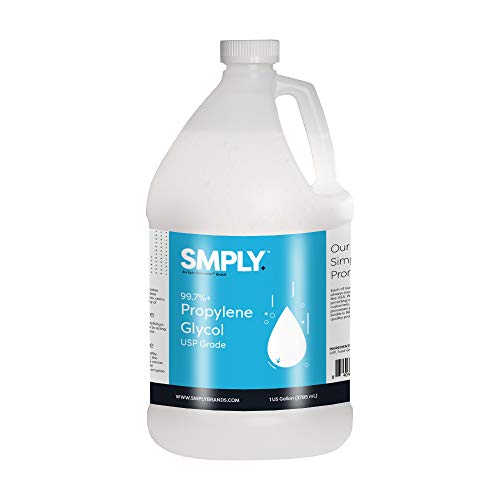
Propylene glycol USP/food grade 99.9% - 1 gallon
Froggy's Fog
Mid-Range
Methylene Blue Pharmaceutical Grade 5% 120ml – Nootlyn
Nootlyn
Mid-Range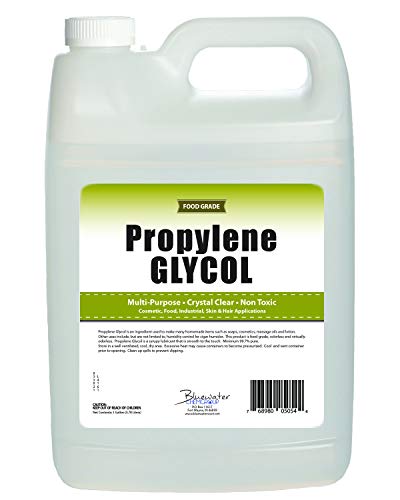
Propylene Glycol USP 1 Gallon - Food Grade
Sanco Industries
Mid-Range
Propylene Glycol Food Grade 1 Gallon - USP for Skin, Humidors, Cosmetics
BulkBliss
Budget
5 Pack 30ML Premium Glass Vials
PREPAKU
Mid-Range
5 Pack 30ML (ivormetn) – chemical standards
ivormetn
Mid-Range
Nitric Acid 65% solution for stainless steel treatment
uncliean america llc
Budget
Phenbendazole Capsules 222 mg, 90 count, 99% purity
BENDY CRAFT COVE LLC
Mid-Range
Propylene Glycol USP Grade 99.9%+ in 4 x 1 gal containers
Froggy's Fog
Premium
Nitric Acid 65% Solution for SS pickling & passivation
uncliean america llc
Mid-Range
Heptyl Butyrate 2oz Refill – Lakota Naturals
Lakota Naturals
Mid-Range
Propylene glycol (food grade) - 4 gallon value pack
Sanco Industries
PremiumRoundups
Frequently Asked Questions
How do I choose the right chemical standard for my testing application?
Select a standard based on the specific analyte(s), required concentration range, solvent compatibility, and calibration method; verify certificate of analysis (CoA) details such as purity, expiration date, and storage conditions to match your laboratory protocols
What formats and concentrations do chemical standards typically come in?
Standards are commonly available as single-component solutions, multi-component mixes, solids, or ampoules, with concentrations ranging from trace levels (ppb) to percent-level solutions; choose the format that minimizes handling and matches your instrument sensitivity and calibration needs
How should I store and handle chemical standards to maintain accuracy?
Follow manufacturer storage instructions on the label or CoA—typical requirements include refrigeration or freezing for volatile or unstable compounds, protection from light, and using clean, compatible glassware; avoid repeated freeze-thaw cycles and record lot and opening dates for traceability
What documentation should I expect with a chemical standard?
Expect a certificate of analysis listing identity, purity, assay method, uncertainty, expiry or retest date, lot number, and storage/handling recommendations; additional documentation may include safety data sheets (SDS) and traceability statements to primary references
Are there budget-friendly options for routine calibration and QA/QC?
Yes; lower-cost options include single-component standards at common concentrations or small-volume ampoules for routine checks, while multi-component mixes can reduce per-analyte cost for multi-target assays; balance cost with required accuracy and documentation
How do I know if a standard is compatible with my analytical instrument?
Check that the solvent matrix, concentration, and potential contaminants are compatible with your instrument (e.g., GC, LC, ICP), that the standard can be introduced by your sample prep method, and that its concentration falls within the instrument's calibration range
What are common causes of standard degradation and how can I detect it?
Common causes include exposure to light, oxygen, heat, or moisture; signs of degradation are unexpected changes in assay results, visible precipitation or color changes, and altered chromatographic peak shape or retention time—validate with fresh standard or reference check when in doubt