Chucking Reamers
Chucking reamers are rotary cutting tools used to enlarge, align, or finish holes in metal and other hard materials, typically mounted in chucks for machining tasks. This category (about 20 products, average rating 4.41) spans budget to mid-range options, with brands like DKIBBITH represented
Top Products

3/4" Reamer Bit for Steel – HSS Tapered Drill Bit, 1/2" Shank
NOVINO
Budget
7/8" Reamer Bit for Steel and Metal, HSS, 1/2" Shank
NOVINO
Budget
7/8" Reamer Drill Bit for Metal - 1/2" Shank, 5-Spiral Flutes, M2 HSS, 22mm Car Reamer
DECKRKAT
Mid-Range
13/16
DKIBBITH
Budget
7/8 Bridge Construction Reamer Drill Bit, M2 HSS, 1/2" Non-Slip Shank
DKIBBITH
Mid-Range
1" Reamer Bit for Steel Metal Wood HSS 1" Tapered Reamer Drill Bit
NOVINO
Mid-Range
1
DECKRKAT
Mid-Range
13/16" Reamer Drill Bit for Metal – M2 HSS Taper Reamer, 5-spiral, 1/2" shank
DECKRKAT
Budget
1-1/16" Reamer Drill Bit for Metal – 5-spiral flutes, 1/2" non-slip shank
DECKRKAT
Mid-Range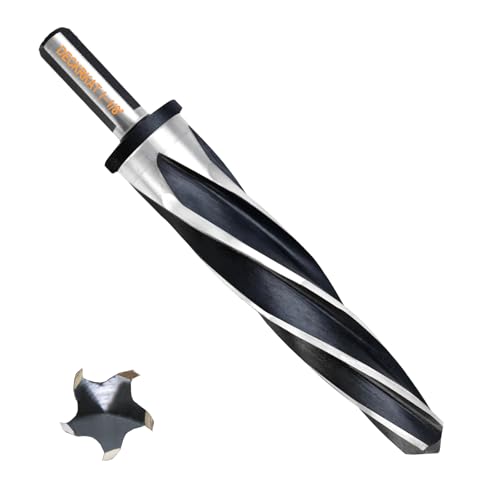
1-1/8 in Reamer Drill Bit for Metal - M2 HSS Taper Reamer, 5-spiral, 1/2 in shank
DECKRKAT
Mid-Range
Bridge Construction Reamer Drill Bit, M2 HSS 1/2" Shank, 5-Flute Car Reamer
DKIBBITH
Mid-Range
DKIBBITH 15/16" Bridge Reamer Drill Bit, M2 HSS Taper Chucking Reamer for Steel
DKIBBITH
Mid-Range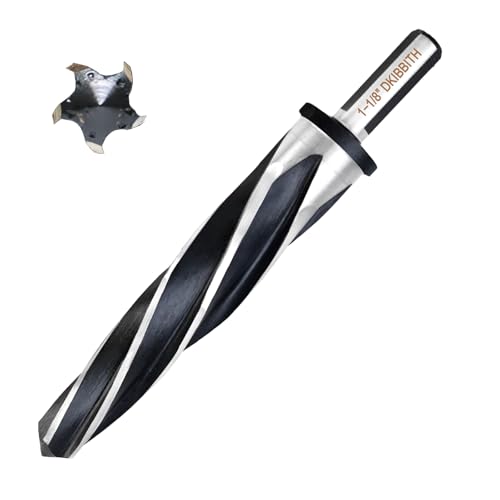
DKIBBITH 1-1/8" Bridge Construction Reamer Drill Bit
DKIBBITH
Mid-Range
DKIBBITH 1-1/16 in Bridge Construction Reamer Drill Bit
DKIBBITH
Mid-Range
DKIBBITH 1-3/16" Bridge Reamer Drill Bit, M2 HSS, 5-flute, 1/2" shank
DKIBBITH
Mid-Range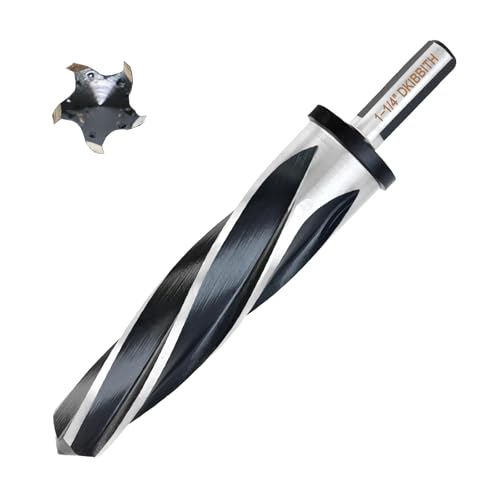
DKIBBITH 1-1/4" Bridge Reamer Drill Bit, M2 HSS, 5-Flute
DKIBBITH
Mid-Range
1-1/2" Reamer Drill Bit for Metal with 5-spiral flutes
DECKRKAT
Mid-Range
Reamer Bit Set for Steel – 5 pcs M2 HSS Tapered Reamer Drill Bit Set
NOVINO
Premium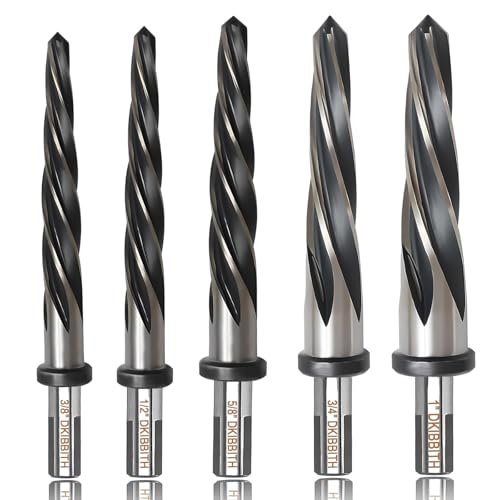
5Pcs M2 HSS Taper Chucking Reamer Set, 1/2"-3-Flat Shank
DKIBBITH
Premium
5-Piece drill reamer set for metal and wood, 5 sizes
DECKRKAT
PremiumRoundups
- Best Chucking Reamers for Enlarging Predrilled Holes (2026)
- Best Chucking Reamers for Automotive Maintenance Tasks (2026)
- Best Chucking Reamers for Aligning Predrilled Holes (2026)
- Best Chucking Reamers Under $200 (2026)
- Best Chucking Reamers Under $100 (2026)
- Best Chucking Reamers Under $50 (2026)
- Best Chucking Reamers (2026 Guide)
Frequently Asked Questions
How do I choose the right size and tolerance for a chucking reamer?
Select a reamer whose nominal diameter matches the hole size you need and check the tolerance class (e.g., H7, +0.0005/‑0.001 in) to ensure the finished hole meets fit requirements; also confirm shank type and machine compatibility
What material and coating should I look for based on the workpiece material?
Choose high-speed steel (HSS) or carbide depending on hardness—HSS for general steel and softer alloys, carbide for hard alloys and abrasive materials; coatings like TiN or TiCN improve wear resistance and reduce built-up edge for tougher jobs
Can I use a chucking reamer in a drill press, lathe, or mill, and how does setup affect performance?
Chucking reamers can be used in drill presses, lathes, and milling machines if the shank matches the chuck or collet; ensure proper alignment, minimal runout, correct feed rate, and appropriate spindle speed to avoid chatter and oversized holes
What cutting fluid and speeds/feeds are recommended for chucking reamers?
Use lubricating cutting fluid for ferrous materials and lighter oils for nonferrous work; follow manufacturer's speed/feed guidelines scaled to material and tool diameter—moderate speeds and steady feed produce best surface finish and tool life
How do I maintain and sharpen a chucking reamer to extend its life?
Keep the flutes clean, store with protective caps, avoid overheating, and have reamers resharpened by a professional when wear degrades size or finish; do not attempt heavy regrinds beyond original geometry without proper equipment
What accuracy and surface finish can I expect from a quality chucking reamer?
Typical good chucking reamers can achieve tolerances in the few thousandths of an inch and provide smooth finishes suitable for press fits or bearing seats, though exact results depend on machine setup, material, and tool condition
How does price correlate with performance and when is it worth paying more?
Higher-priced reamers generally use better materials, tighter tolerances, and superior coatings, which improve life and consistency; invest more when you need repeatable accuracy, harder materials, or higher production volumes