Circuit Breaker Panels
Circuit breaker panels for residential and light commercial electrical distribution, including load centers, subpanels, and main breaker assemblies. Products span budget to mid-range price points (about $35–$193, avg ~(price varies)) and include brands such as Leviton and SIEMENS. Average customer rating across 11 indexed products is 4.57
Top Products
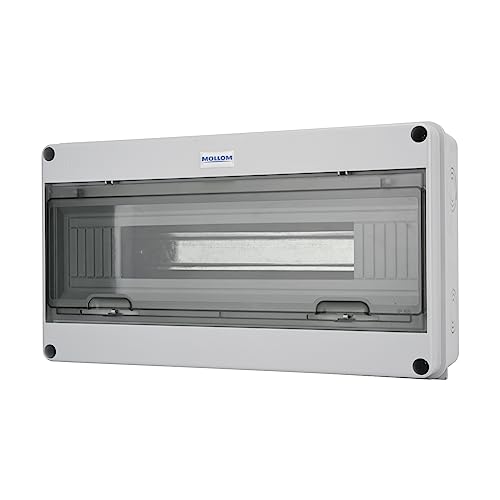
MOLLOM 18‑Way MCB Distribution Protection Box with DIN Rail
Mollom
Budget
Generator interlock kit for Square D QO and Homeline panels
QYZZRS
Budget
Siemens 8-Space 16-Circuit Indoor Main Lug Load Center
SIEMENS
Mid-Range
Pushmatic-style 30A 2-pole breaker (P230) by Connecticut Electric
Connecticut Electric
Mid-Range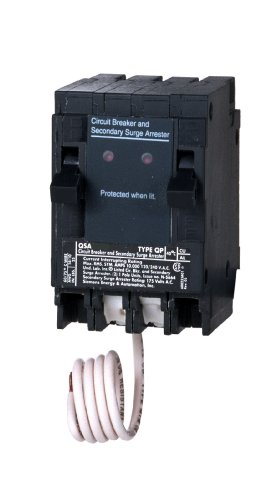
Siemens Whole House Surge Protector with Two 15-Amp Circuit Breakers
SIEMENS
Mid-Range
Leviton 30-space indoor load center with 100A main
Leviton
Premium
Leviton 30-space, 30-circuit indoor load center LP320-BPD
Leviton
Premium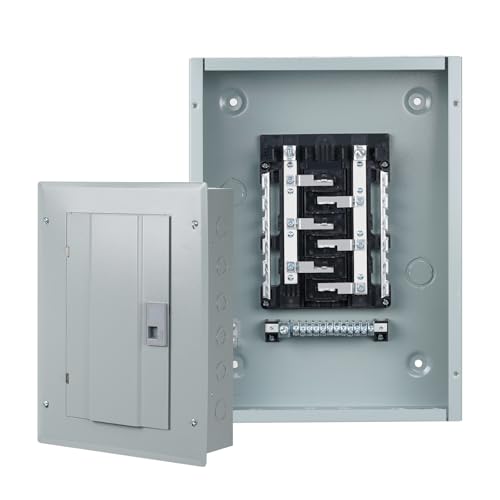
THQL 12-Space 125A Indoor Main Lug Load Center
JINDOUZI
Mid-Range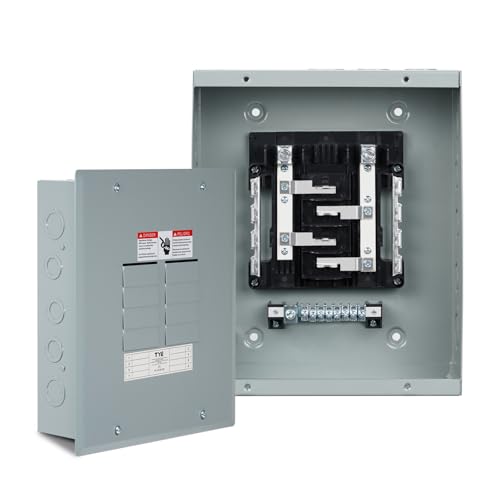
THQL 8-Space 125A Load Center Indoor Enclosure
JINDOUZI
Mid-Range
Leviton 42-space 42-circuit indoor load center LP415-BPD
Leviton
Premium
Leviton 42-space indoor load center with 200A main
Leviton
PremiumRoundups
Frequently Asked Questions
How do I choose the right circuit breaker panel for my home or workspace?
Match the panel's amperage rating to your service entrance (commonly 100A, 150A, or 200A), ensure the number of circuit spaces meets current and planned circuits, verify compatibility with your main breaker and bus bar type, and choose a panel listed for indoor or outdoor use as required
What safety certifications or ratings should I look for when buying a panel?
Look for listings from recognized testing labs (for example, UL or equivalent), correct voltage and amperage markings, short-circuit current rating (SCCR) appropriate for the installation, and manufacturer instructions that meet local electrical code requirements
Can I upgrade my existing panel or add circuits, and what affects cost?
You can often add circuits with a larger main breaker or subpanel if the service has capacity; cost depends on panel amperage, number of spaces, whether a main breaker or main lug type is needed, and local labor and permit fees. Always have upgrades performed or approved by a licensed electrician
What are the differences between main breaker panels, main lug panels, and subpanels?
A main breaker panel includes a main disconnect built into the panel, a main lug panel requires a separate upstream disconnect, and a subpanel is fed from a main panel to provide additional circuit spaces; selection depends on service setup and local code
How do I maintain a circuit breaker panel to ensure reliability?
Keep the panel accessible and free of dust and moisture, periodically check for signs of overheating or corrosion, tighten loose connections only by a qualified electrician, and test ground-fault/arc-fault breakers per manufacturer guidance
What features impact the price of a panel and how much should I expect to spend?
Price is influenced by amperage rating, number of circuit spaces, main breaker vs. main lug configuration, indoor vs. outdoor enclosure, and brand; panels in the residential/tools & industrial category commonly span from budget options under $50 to higher-capacity models in the low hundreds, with average prices around the low hundreds
Are there compatibility concerns with breakers from different brands?
Yes; many panels require breakers listed for use with that panel's bus design. While some breakers are cross-compatible, always confirm the panel's labeling or manufacturer documentation to ensure breakers are permitted for use in that panel