Circuit Testers
Circuit testers and diagnostic tools for electrical troubleshooting, including multimeters, continuity testers, and circuit tracers used in automotive, residential, and industrial work. The 35-product category averages a 4.6 rating, with prices from $33 to $294 and offerings from brands like KLEIN TOOLS
Top Products

Klein Tools 80041 Outlet Repair Kit with GFCI tester
KLEIN TOOLS
Mid-Range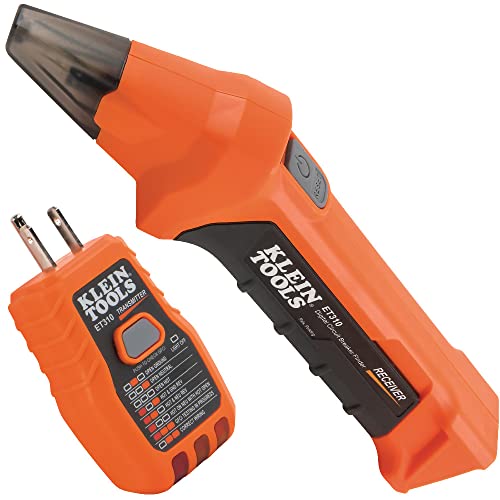
Klein Tools ET310 AC Circuit Breaker Finder with GFCI Tester
KLEIN TOOLS
Mid-Range
Klein Tools Circuit Breaker Finder Kit with GFCI Tester
KLEIN TOOLS
Mid-Range
7-Way Round Pin Circuit Chaser for Testing Trailer Lights
Innovative Products of America
Mid-Range
Explorer 2 Coax Tester Kit with Remotes
KLEIN TOOLS
Mid-Range
Klein Tools 80064 AC Circuit Breaker Kit with GFCI Finder
KLEIN TOOLS
Mid-Range
Klein Tools RT310 AFCI/GFCI Outlet Tester
KLEIN TOOLS
Mid-Range
Circuit Tester Automotive P100 with 40ft cable
TopDiag
Mid-Range
Lisle 29050 Digital Circuit Tester (3-30V) Factory
Lisle
Mid-Range
Klein Tools 80023P Home Inspector Tool Kit
KLEIN TOOLS
Mid-Range
Power Failure Alarm 2 Pack with LED Indicator and 110dB
Satisure
Mid-Range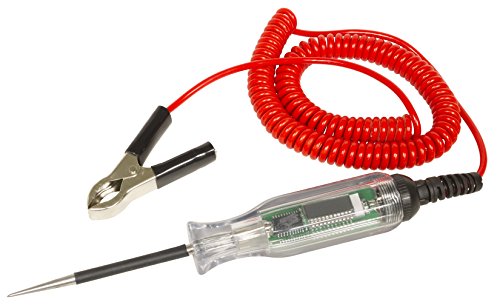
Lisle 28830 Digital Circuit Tester (3-49V)
Lisle
Mid-Range
Circuit Breaker Finder & GFCI Tester with LCD Display
focemta
Mid-Range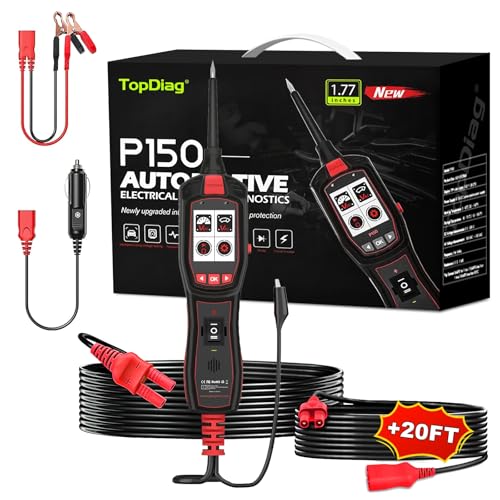
Electrical Tester for 6V-30V vehicles, P150
TopDiag
Mid-Range
Klein Tools AC Circuit Breaker Finder Kit ET310KIT
KLEIN TOOLS
Mid-Range
Power Probe III Circuit Tester
Power Probe
Premium
Klein Tools Electrical Test Kit with Carrying Case
Klein Tools
Mid-Range
Autel PowerScan Power Circuit Tester
Autel
Mid-Range
Klein Tools 80101 circuit breaker finder kit
KLEIN TOOLS
Mid-Range
Circuit Breaker Finder Kit with GFCI Tester
focemta
Mid-Range
KAIWEETS KT301P Circuit Breaker Finder with LCD Display
KAIWEETS
Mid-Range
NOYAFA NF-827 AC Circuit Breaker Finder
NOYAFA
Mid-Range
VDIAGTOOL V200 Pro Automotive Power Circuit Tester
VDIAGTOOL
Mid-Range
Klein Tools Electrical Test Kit with Circuit Breaker Finder Accessories
Klein Tools
PremiumRoundups
Frequently Asked Questions
How do I choose the right type of circuit tester for my work?
Select based on the circuits you'll test: non-contact voltage testers for quick presence checks, multimeter-style testers for voltage/current/resistance measurements, and dedicated continuity or receptacle testers for wiring and outlet diagnostics; also consider required voltage range, CAT safety rating, and whether you need additional features like diode test or data logging
What safety ratings and certifications should I look for?
Look for IEC/EN/CAT safety ratings appropriate to the work environment (e.g., CAT II/III/IV) and UL or CE markings; proper insulation, fuse protection in measuring circuits, and a clear maximum voltage/current rating are important for safe operation
How much should I expect to spend and what are the trade-offs by price?
Circuit testers range from budget options under $50 for simple non-contact or basic receptacle testers to more advanced multimeters and diagnostic tools averaging around $80 and up; higher-priced models typically offer greater accuracy, broader measurement ranges, better build quality, and more safety features
What key features improve accuracy and ease of diagnosis?
Look for true RMS measurement for accurate AC readings, clear numeric displays with backlight, audible continuity, auto-ranging, low impedance (LoZ) input to avoid ghost voltages, and helpful indicators like polarity, phase rotation, or wired/wrong-wired diagnostics
How should I care for and maintain a circuit tester?
Store in a dry, impact-free place, replace batteries and fuses per manufacturer guidance, regularly inspect leads and insulation for damage, and calibrate or test accuracy periodically according to usage intensity and any regulatory requirements
Can I use a circuit tester on both residential and industrial systems?
Yes, but ensure the tester's voltage range and CAT safety rating match the environment; industrial systems may require higher CAT ratings and robust probes, while residential testing often needs basic voltage, continuity, and outlet wiring checks
What accessories or probes should I consider buying with a tester?
Consider insulated test leads with shrouded banana plugs, alligator clips for hands-free work, replacement fused leads, probe tip covers, and a carrying case; for specific tasks, add clamp adapters for current measurement or specialized outlet adapters