Clinical Diagnostic Test Kits
Clinical Diagnostic Test Kits in Tools & Industrial include lateral flow, antibody/antigen, and molecular rapid tests for point-of-care and laboratory screening, with mid-range pricing from budget to premium (average about (price varies)). The category contains 45 indexed products averaging a 4.35 rating; notable brands include Schneider Laboratories Global Inc. and Wondfo
Top Products

EldonCard Blood Typing Kit 5 Test Pack
INTEGRAL YOGA
Mid-Range
Asbestos Test Kit 1 PK for PLM analysis
Schneider Laboratories Global Inc.
Budget
iHealth COVID-19 Antigen Rapid Test - 5 tests, OTC self-test
iHealth
Mid-Range
Flowflex COVID-19 antigen home test kit, 1 pack, 5 tests
ACON Laboratories
Mid-Range
Genabio COVID-19 antigen rapid self-test kit (14 tests)
Genabio
Mid-Range
CorDx TyFast 3-in-1 Flu A/B & Covid-19 Multiplex Rapid Test
CorDx, Inc.
Mid-Range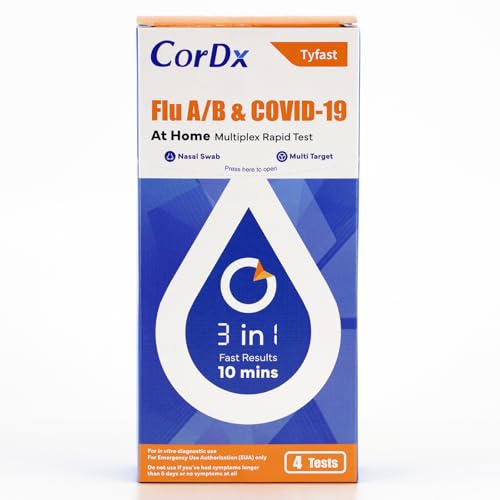
CorDx Tyfast at Home Flu A/B and COVID-19 Rapid Test Kit
CorDx
Budget
BinaxNOW COVID-19 Antigen Self Test (1 pack, 10 tests)
Abbott
Mid-Range
Mold Test Kit with Lab Analysis and Expert Consultation
Mold Inspection Network
Mid-Range
Asbestos Test Kit – Sample Testing with NVLAP Lab Result
Asbestos-Sampling.com
Budget
Combo asbestos, mold, lead test kit, 1 pack
SLGI Certified Test Kits
Mid-Range
EldonCard Blood Typing Kit 10 Test Pack
EldonCard
Mid-Range
OSOM Covid Home Test Kit (12 tests) - FDA EUA Authorized
Sekisui Diagnostics
Mid-Range
Jamar Discriminator: Two-Point Touch Test Tool for Nerve Sensation
Jamar
Budget
WELLlife Covid-19 Antigen Home Test (10 tests)
WELL LIFE
Mid-Range
MDMA Forensic Residue Drug Test (Standard Kit)
TN Scientific
Mid-Range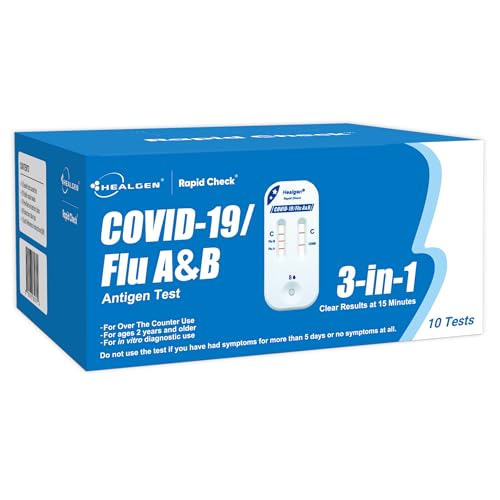
Healgen 3-in-1 rapid home test for COVID-19 and Flu A&B
Healgen Scientific, LLC.
Mid-Range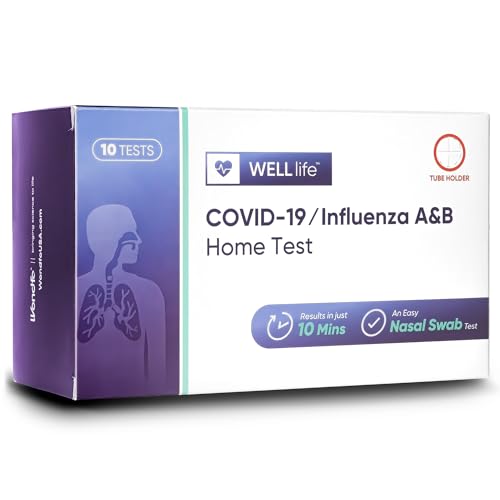
WELLlife Covid-19/Influenza A&B Home Test Kit (10 tests) 3-in-1
Wondfo
Mid-Range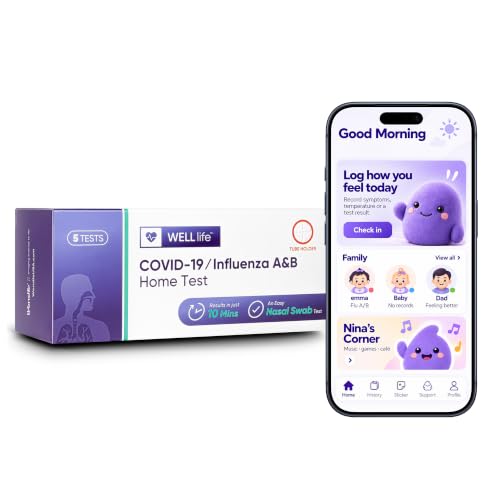
WELLlife At-Home COVID-19/Flu A&B Test Kit (5 tests)
Wondfo
Budget
Healgen 3-in-1 Flu A&B & COVID Home Test Kit
HEALGEN
Mid-Range
Synthetic Urine 3 Ounce Bottle for Urinalysis Education
Generic
Budget
WELLlife Covid-19 Antigen Home Test (12 packs, 1 test each)
Wondfo
Mid-Range
ETG urine test kit 100 pack for at-home alcohol detection
Prime Screen
Premium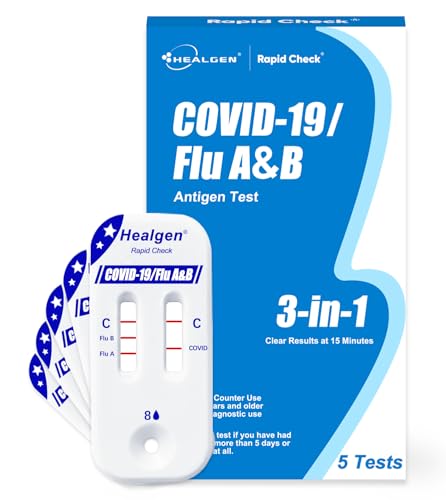
Healgen Rapid Check COVID-19, Flu A&B Antigen Test Kit
HEALGEN
BudgetRoundups
Frequently Asked Questions
How do I choose the right clinical diagnostic test kit for my needs?
Choose based on intended use (professional vs. point-of-care vs. at-home screening), target analyte (antigen, antibody, glucose, etc.), required sensitivity/specificity, regulatory clearance for your region, sample type (blood, saliva, urine, swab), and any equipment or storage requirements listed by the manufacturer
What quality and regulatory indicators should I look for?
Check for relevant regulatory approvals or registrations (e.g., CE marking, local health authority registration), ISO or GMP manufacturing statements, and published sensitivity/specificity or validation data from the manufacturer or independent studies
How should I budget for clinical diagnostic test kits and ongoing costs?
Kits vary widely; expect single-use rapid tests and strips at the lower end and multi-component or instrument-based assays at higher prices; also budget for required consumables, control materials, calibration, and any instrument maintenance or service contracts
What storage and shelf-life considerations matter?
Follow the manufacturer's storage temperature range and humidity guidance; many kits require room temperature or refrigerated storage and have expiration dates—using kits past expiration or after improper storage can reduce accuracy
What level of training or certification is required to use these kits?
Requirements depend on local regulations and the kit type: some point-of-care or over-the-counter tests are designed for lay users, while laboratory or instrument-based assays typically require trained personnel with appropriate biosafety practices
How do I interpret and verify test results?
Use the manufacturer's instructions and control materials to validate assay performance, interpret results according to the provided cutoff values or visual indicators, and confirm unexpected or critical results with a follow-up test or laboratory-based method as appropriate
What maintenance and disposal practices should I follow?
Maintain instruments per manufacturer schedules (calibration, cleaning), store reagents per instructions, and dispose of biohazardous waste and single-use components according to local regulations and institutional biosafety protocols