Collated Brad Nails
Collated brad nails are strips of thin-gauge finish nails used with pneumatic or cordless brad nailers for trim, molding, and delicate woodworking. This category (28 products, avg rating 4.70) spans budget through mid-range options with brands like meite and SENCO represented
Top Products

18 GA Brad Nails, 12000 Count, 1 inch, galvanized
DEWBIN
Budget
Meite 18 GA brad nails, 3/4", 304 stainless steel (5 boxes)
meite
Mid-Range
F50 18G 2-inch Galvanized Brad Nails, 5000pcs/box
Guangdong meite Mechanical Co.,Ltd
Mid-Range
18 gauge brad nails, 1-1/4", 12000-count, galvanized
DEWBIN
Budget
meite 18GA 1-1/4 in galvanized brad nails (1 case, 12 boxes)
meite
Mid-Range
Meite 1-1/2 in 18ga galvanized brad nails (case of 12 boxes)
meite
Mid-Range
Meite 18 GA Brad Nails - 1" 304 Stainless Steel (5 boxes)
meite
Mid-Range
18 gauge brad nails, 2 in, stainless steel, 5 boxes
meite
Mid-Range
18 GA 304 stainless steel brad nails set
SimCos
Mid-Range
18 gauge brad nails 2 inch (15000 pcs) galvanized
APOCHON
Budget
18 gauge brad nails, 12000-count, 1-1/2" galvanized
DEWBIN
Mid-Range
18 gauge brad nails, 12000 count, 1-3/4 inch (45mm) galvanized
DEWBIN
Mid-Range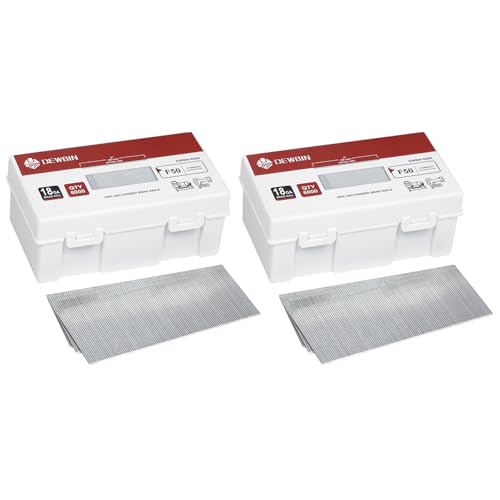
18 gauge brad nails, 12000ct, 2 in, galvanized
DEWBIN
Mid-Range
meite 18-gauge 5/8 in galvanized brad nails (12 boxes)
meite
Mid-Range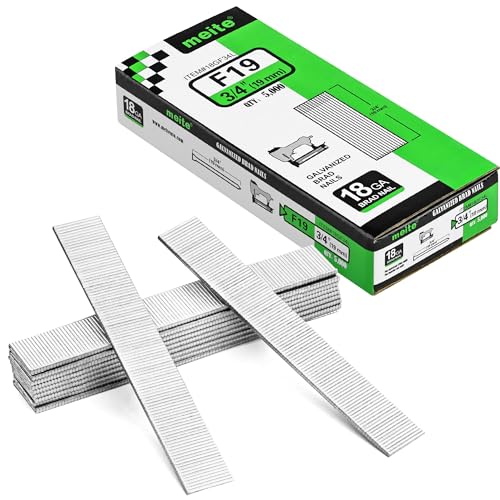
Meite F19 18G 3/4" Galvanized Brad Nails (12 Boxes)
meite
Mid-Range
18 gauge 3/4 in galvanized brad nails (meite) 1 case
meite
Premium
Meite 18G 1-3/4 in Galvanized Brad Nails (1 case, 8 boxes)
meite
Mid-Range
18 gauge brad nails, 3/4", 304 stainless steel (10 boxes)
meite
Mid-Range
Meite 18 GA Brad Nails, 1" 304 stainless, 10 boxes
meite
Premium
18GA Brad Nails, 1 inch, galvanized (1 case, 20 boxes)
meite
Premium
18 gauge brad nails, 1-1/2", 304 stainless steel (10 boxes)
meite
Premium
Meite 18 Gauge Brad Nails, 2 inch 304 stainless steel (10 boxes)
meite
Premium
SENCO 18-Gauge Brad Nails, 1.5 in., 1000-ct (Qty 6)
SENCO FASTENING SYSTEMS
Mid-Range
meite 18GA 5/8 in galvanized brad nails (28 boxes) for pneumatic/electric nailers
meite
PremiumRoundups
Frequently Asked Questions
What are collated brad nails and how do they differ from other nails?
Collated brad nails are thin, small-gauge nails (typically 18-gauge) held together by paper, plastic, or wire strips for use in a brad nailer; they have smaller heads and cause less splitting than finish nails, making them suitable for trim, molding, and delicate woodworking
How do I choose the right length and gauge for my project?
Select length based on material thickness—common lengths range from 5/8" to 2"—and use 18-gauge brads for light trim and cabinetry where minimal holding power and appearance matter; choose a longer or heavier gauge if you need greater holding strength or are fastening thicker materials
What should I check for compatibility with my brad nailer?
Verify nail length and collation type (paper, plastic, or wire) match your nailer's specifications, confirm the gauge (usually 18-gauge for brad nailers), and ensure the strip angle and magazine capacity are supported by the tool
Are there quality or feature differences worth paying more for?
Higher-rated options often offer more consistent collation alignment, corrosion-resistant coatings (galvanized or stainless), and cleaner head finish; these features improve firing reliability and long-term appearance but may increase cost
How should I store and handle collated brad nails to prevent problems?
Store nails in a dry environment to avoid rust or degraded paper/plastic collation, keep them in original packaging until use, and handle strips gently to prevent misalignment that can cause jams
Can I use collated brad nails for outdoor projects?
For outdoor use, choose nails with corrosion-resistant coatings such as hot-dipped galvanized or stainless steel and verify the coating is suitable for the local environment and the materials being fastened
What causes jamming or misfires and how can I prevent them?
Jams and misfires often result from incorrect collation type, damaged or bent strips, wrong length/gauge, dirty magazines, or insufficient air pressure (for pneumatic tools); prevent issues by using compatible, undamaged nails, keeping the magazine clean, and following the nailer manufacturer's settings and maintenance guidelines