Commercial Indoor Robotic Vacuums
Commercial indoor robotic vacuums for tools & industrial use—autonomous floor cleaners designed for offices, warehouses, and large indoor spaces. 21 products indexed with an average rating of 4.20 and price range from $100 to $2,599 (avg ~(price varies)); brands include roborock among others
Top Products

roborock Q7 M5+ Robotic Vacuum & Mop
roborock
Premium
roborock Q7 L5 Robot Vacuum and Mop Combo
roborock
Premium
Lefant M210 Robot Vacuum Cleaner, 120-Min Runtime, App & Voice Control
Lefant
Premium
roborock Q10 S5+ Robot Vacuum and Mop
roborock
Premium
roboroQ7 L5 Robot Vacuum and Mop Combo
roborock
Premium
eufy L60 Robot Vacuum with Self-Empty Station
eufy
Premium
roborock Q10 S5+ Robot Vacuum and Mop
roborock
Premium
Robot Vacuum K5 with 120 Min Runtime
OKP Life
Premium
Robot vacuum and mop combo with 2100Pa suction
OKP Life
Mid-Range
eufy X10 Pro Omni Robot Vacuum and Mop Combo
eufy
Premium
Lefant M330 Pro LiDAR robotic vacuum and mop
Lefant
Premium
Robot Vacuum with 22kPa suction and LiDAR mapping
UBPET
Premium
Lefant M330 Pro LiDAR Robotic Vacuum & Mop
Lefant
Premium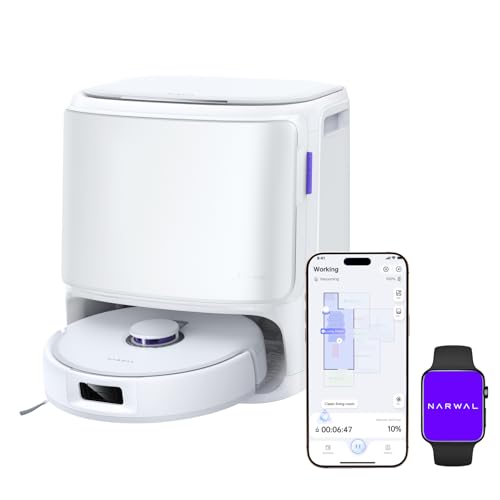
Freo X10 Pro Robot Vacuum & Mop
NARWAL
Premium
Robot vacuum and mop with self-emptying dock, 5000Pa suction
Airzeen
Premium
Lefant M330 Pro LiDAR Robotic Vacuum
Lefant
Premium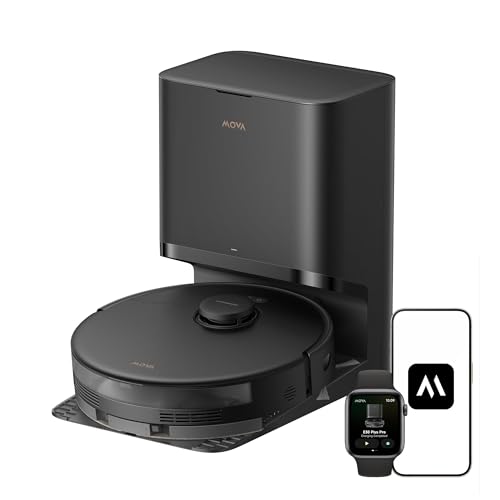
Mova E30 Pro Plus Robot Vacuum with 19000Pa Suction
Mova
Premium
eufy S1 HydroJet Robotic Vacuum with All-in-One Station
eufy
Premium
roborock Z70 robot vacuum with OmniGrip arm
roborock
Premium
roborock Saros Z70 robot vacuum & mop with OmniGrip arm
roborock
Premium
roborock Qrevo Curv Robot Vacuum and Mop
roborock
PremiumRoundups
Frequently Asked Questions
How do I choose the right commercial indoor robotic vacuum for my facility?
Match the robot to your floor types (hardwood, tile, low- or medium-pile carpet), required daily runtime, and coverage area; prioritize navigation/mapping features for complex layouts, battery capacity for large areas, and HEPA or commercial-grade filtration if allergy control is needed
What features most affect performance and cleaning consistency?
Key features are navigation system accuracy (LiDAR or visual SLAM), suction power and brush design for debris types, mapping and zone scheduling, battery life and recharge behavior, and robust obstacle/edge detection to reduce missed spots and collisions
How much should I budget for a commercial-grade indoor robotic vacuum?
Commercial indoor robotic vacuums generally range from lower-cost units a few hundred dollars to higher-end models several hundred to around a thousand dollars; average price for the category is in the mid-hundreds, with costs rising for advanced mapping, larger batteries, or industrial filtration
What maintenance and consumables should I plan for?
Expect routine tasks such as emptying dustbins, cleaning filters and brushes, removing hair from rollers, and replacing filters/brushes periodically; plan for modest recurring costs for replacement filters, brushes, and batteries depending on usage intensity
Are these robots suitable for 24/7 operation or multi-shift commercial environments?
Some commercial models support frequent scheduled runs and quick recharge cycles, but continuous 24/7 operation typically requires multiple units or manual battery swapping and attention to maintenance intervals to avoid downtime
What safety and operational considerations should I know before deployment?
Ensure clear paths by removing cords and small objects, set no-go zones for sensitive equipment, verify the robot’s obstacle detection and fall prevention for stairs, and follow manufacturer guidance on operating temperatures and chemical exposure limits
How do mapping, zone scheduling, and remote management differ between models?
Lower-cost models may offer basic scheduling and single-map functionality, while higher-tier commercial units provide multi-floor maps, customizable no-go/clean zones, enterprise-grade remote fleet management, and integration with facility management software